How Is Scraping World's Fastest-Growing Travel Destinations 2026 Transforming Global Travel Insights?
Introduction
The global travel landscape in 2026 is being reshaped by data like never before. Travelers are no longer choosing destinations based solely on traditional guides or word-of-mouth. Instead, data-driven insights derived from millions of travel listings, reviews, pricing patterns, and booking behaviors are guiding decisions. This shift has given rise to a new era where web scraping plays a crucial role in identifying emerging hotspots and forecasting travel demand.
At the heart of this transformation lies Scraping World's Fastest-Growing Travel Destinations 2026, enabling businesses to capture real-time travel trends and identify locations gaining rapid popularity. By leveraging structured datasets such as the Top Travel Destinations Dataset, travel companies can analyze booking volumes, seasonal spikes, and traveler preferences across regions.
To stay competitive, organizations increasingly Scrape fastest growing travel destinations using automated tools that gather insights from OTAs, review platforms, and metasearch engines. This approach uncovers trending locations and helps predict where the next wave of tourism demand will emerge.
How Web Scraping Reveals Travel Growth Patterns?
Web scraping aggregates massive volumes of travel data from multiple sources, including hotel listings, flight data, vacation rentals, and traveler reviews. This data is then processed and analyzed to identify patterns that indicate growth in specific destinations.
One of the most significant advantages of scraping is its ability to track behavioral shifts in real time. For instance, a sudden increase in hotel bookings, search queries, or social media mentions can signal a destination’s rising popularity.
Advanced systems also use travel data analysis for destination growth trends to compare historical and current data, helping identify long-term growth trajectories. These insights allow businesses to move beyond reactive strategies and adopt predictive planning models.
Additionally, niche travel segments are becoming more prominent. For example, platforms now use Digital Detox Destinations Travel Data Scraping to identify remote, less crowded locations where travelers seek peace and disconnection from digital overload.
Sustainability is another key factor shaping travel decisions. Tools powered by Eco-Travel Web Scraping API enable companies to track eco-friendly accommodations, carbon-neutral travel options, and sustainable tourism initiatives across destinations.
Emerging & Fast-Growing Destinations

Here are some of the most exciting destinations gaining momentum in 2026, identified through data-driven insights and travel scraping technologies:
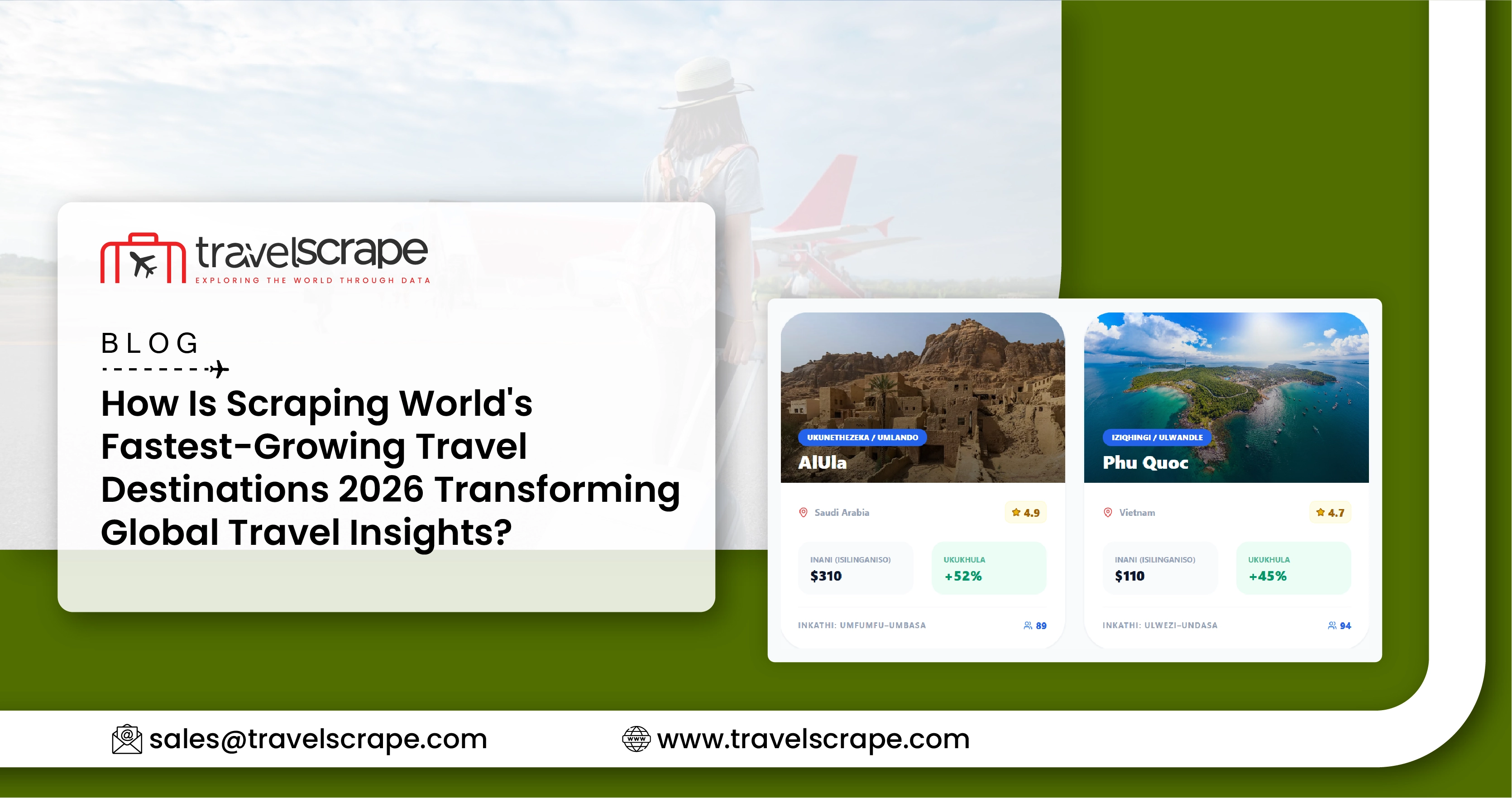
- Phu Quoc, Vietnam: Phu Quoc is rapidly emerging as an affordable island alternative to the Maldives. With pristine beaches, expanding resort infrastructure, and competitive pricing, it attracts both luxury and budget travelers. Web scraping reveals a sharp increase in booking searches and hotel listings, indicating strong growth potential.
- AlUla, Saudi Arabia: AlUla is witnessing rapid tourism growth fueled by government investments and global marketing campaigns. Known for its stunning desert landscapes and heritage sites, it is becoming a cultural tourism hub. Data shows rising international interest and increased accommodation development.
- Tbilisi, Georgia: Tbilisi is trending among digital nomads and budget travelers due to its affordability, vibrant culture, and remote work-friendly environment. Scraped data highlights a surge in long-term stays, co-working spaces, and rental demand in the city.
- Tulum, Mexico: Tulum continues to thrive as a hotspot for eco-luxury travel. With its blend of beach resorts, wellness retreats, and sustainable tourism initiatives, it appeals to high-end travelers. Data trends show consistent growth in premium accommodation bookings.
- Bali, Indonesia: Bali remains a dominant force in global tourism, especially for remote workers and wellness travelers. Despite being an established destination, scraping data indicates continued growth in villa rentals, wellness retreats, and long-duration stays.
The Role of Data in Identifying Travel Trends
The identification of fast-growing destinations is not accidental—it is the result of continuous data collection and analysis. Travel companies rely on top fastest growing travel destinations Scraping techniques to monitor key indicators such as booking rates, pricing changes, and traveler reviews.
Another important aspect is understanding traveler demographics and preferences. For example, Solo Travel Data Scraping helps identify destinations that are gaining popularity among solo travelers, particularly those seeking safety, affordability, and unique experiences.
Moreover, combining multiple datasets provides high growth tourism destinations global data insights, allowing businesses to compare destinations across continents and identify global travel patterns.
These insights are critical for:
- Travel agencies designing customized travel packages
- OTAs optimizing search and recommendation engines
- Tourism boards planning promotional campaigns
- Investors identifying high-potential tourism markets
Business Applications of Travel Data Scraping
Web scraping is not just about identifying trends; it is also about enabling actionable business strategies. Travel companies use scraped data to enhance multiple aspects of their operations.
Pricing optimization is one of the most common applications. By analyzing competitor pricing and demand patterns, businesses can adjust their rates dynamically to maximize bookings and revenue.
Marketing teams use destination data to create targeted campaigns. For example, if a destination shows rising interest among young travelers, campaigns can be tailored to highlight adventure activities and social experiences.
Product development teams also benefit from data insights. They can design travel packages that align with emerging trends, such as eco-tourism, wellness retreats, or remote work destinations.
Additionally, travel platforms use scraped data to improve user experience. Personalized recommendations, dynamic search results, and curated travel suggestions are all powered by real-time data insights.
Challenges and Ethical Considerations
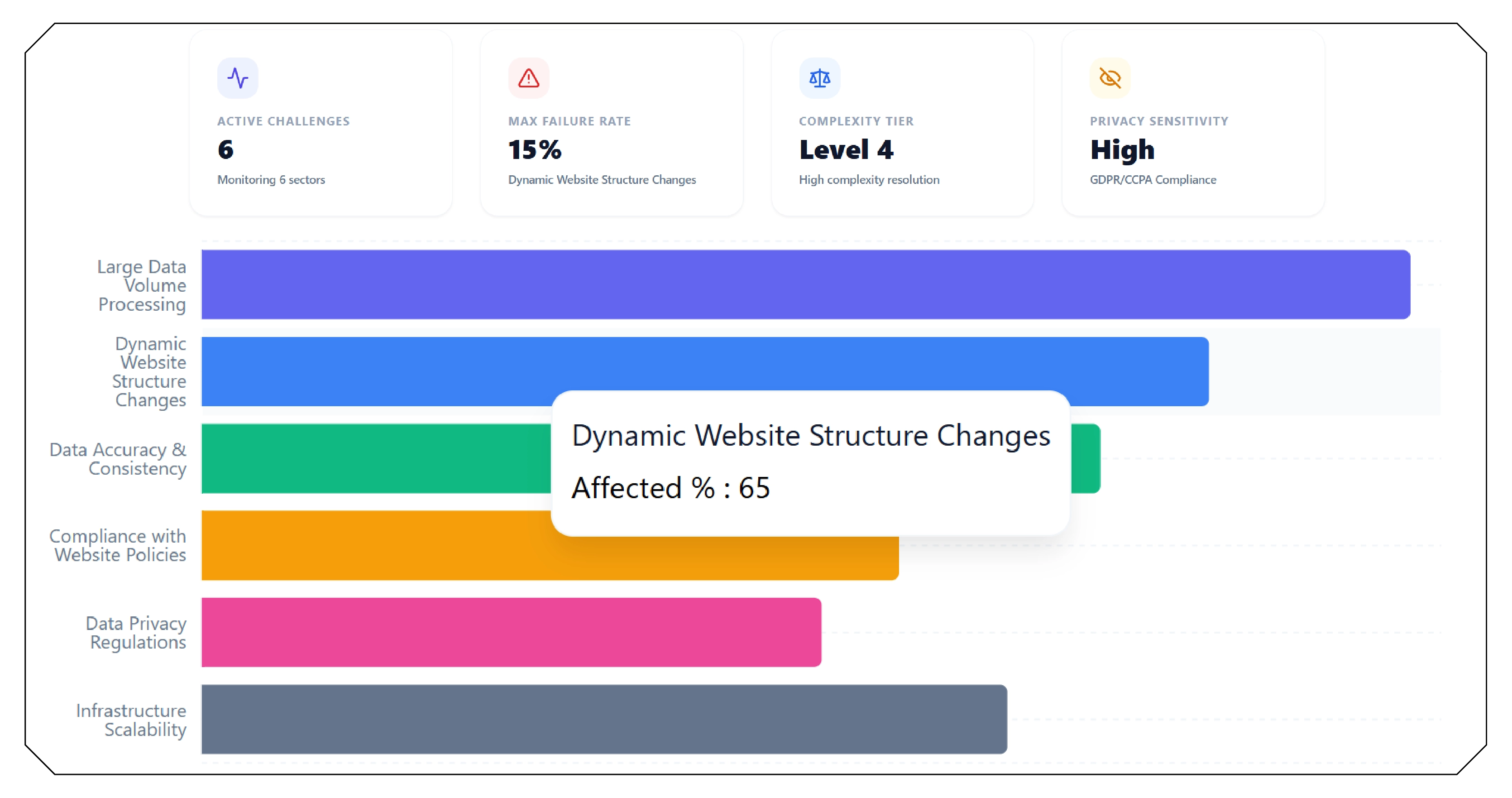
While web scraping offers immense benefits, it also comes with challenges. Handling large volumes of data requires robust infrastructure and efficient processing systems. Ensuring data accuracy and consistency is equally important.
Ethical considerations must also be addressed. Businesses need to ensure compliance with website policies, data privacy regulations, and fair usage practices. Responsible scraping ensures long-term sustainability and trust.
Another challenge is dealing with dynamic websites that frequently update their structure. Advanced scraping tools and adaptive algorithms are required to maintain consistent data extraction.
The Future of Travel Intelligence
As technology evolves, the role of data in travel decision-making will continue to grow. Artificial intelligence and machine learning will further enhance the ability to predict travel trends and personalize user experiences.
Real-time data pipelines will become standard, enabling instant updates and insights. This will allow travel platforms to respond quickly to market changes and deliver highly relevant recommendations.
Integration with other data sources, such as weather data, economic indicators, and social media trends, will provide even deeper insights into traveler behavior.
Conclusion
Web scraping has become a powerful tool for uncovering the world's fastest-growing travel destinations. By collecting and analyzing vast amounts of data, businesses can identify emerging hotspots, understand traveler preferences, and make informed decisions.
The future of travel lies in data-driven intelligence. Systems powered by travel data pipelines for destination growth analysis will enable real-time insights and predictive capabilities, transforming how travel platforms operate.
Furthermore, leveraging travel market intelligence for emerging destinations will help businesses stay ahead of trends and capture new opportunities in a competitive landscape.
Finally, incorporating specialized datasets such as World Heritage Sites Data Scraping will add cultural and historical context to travel recommendations, enhancing the overall travel experience for users.
As 2026 unfolds, data will continue to redefine the travel industry—turning raw information into meaningful insights that shape the journeys of millions worldwide.
Ready to elevate your travel business with cutting-edge data insights? Scrape Aggregated Flight Fares to identify competitive rates and optimize your revenue strategies efficiently. Discover emerging opportunities with tools to Extract Travel Website Data, leveraging comprehensive data to forecast market shifts and enhance your service offerings. Real-Time Travel App Data Scraping Services helps stay ahead of competitors, gaining instant insights into bookings, promotions, and customer behavior across multiple platforms. Get in touch with Travel Scrape today to explore how our end-to-end data solutions can uncover new revenue streams, enhance your offerings, and strengthen your competitive edge in the travel market.
Unlock the Full Report
Enter your details to access premium pricing intelligence insights