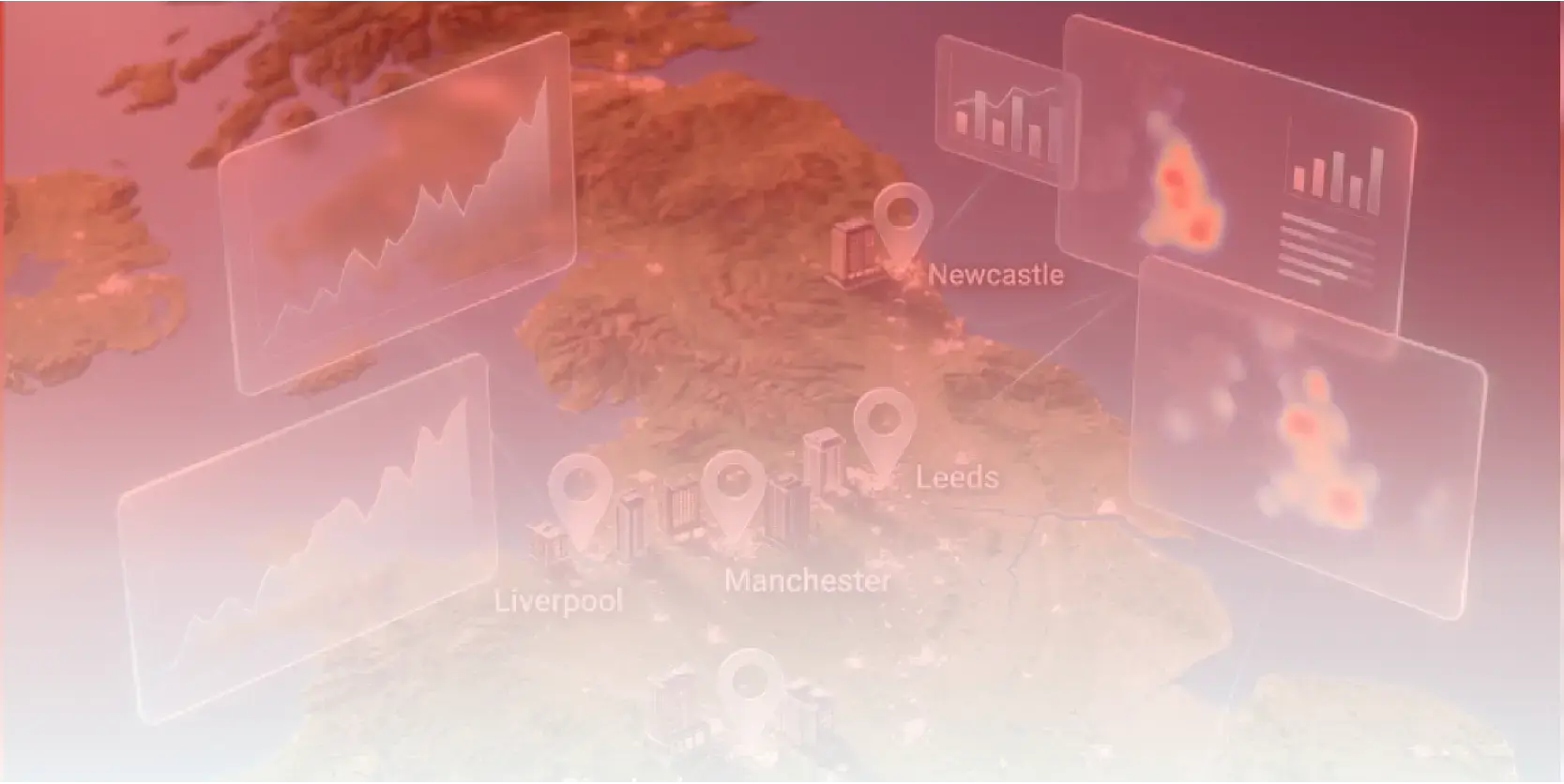
Major sporting events, international conferences, music festivals, cultural celebrations, and large-scale gatherings create sudden shifts in global travel demand. On August 1, Travel Scrape analyzed more than 8.7 million travel pricing updates, including flight fare movements, hotel rate changes, rental vehicle availability, and destination demand signals across major event locations worldwide. The analysis revealed how rapidly changing travel conditions are creating new challenges for airlines, hotels, OTAs, and travel platforms.
Major Event Travel Intelligence enables travel companies to monitor market fluctuations during high-demand periods by combining real-time pricing data, availability tracking, and demand analysis into a unified intelligence framework.
Large events often create unpredictable pricing patterns. Flight prices can increase within hours, hotel availability can disappear quickly, and car rental rates can experience significant spikes as travelers compete for limited inventory. Without continuous monitoring, travel businesses may struggle to understand market behavior and optimize pricing strategies.
Event-Driven Travel Markets Require Real-Time Visibility
Major events generate complex travel movements that differ significantly from normal booking patterns. Travelers usually search and book flights, accommodations, and transportation months in advance, but demand accelerates dramatically closer to event dates.
Airlines adjust fares based on route demand, remaining seat inventory, competitor pricing, and booking activity. Hotels modify room rates according to occupancy levels, local demand, and event schedules. Rental companies dynamically change vehicle pricing depending on availability and reservation volume.
Real-Time Flight & Hotel price Monitoring helps travel platforms identify rapid price movements, detect demand surges, and maintain accurate travel recommendations during major events.
Traditional travel datasets often fail to capture these fast-changing conditions because historical pricing snapshots become outdated quickly. Real-time intelligence allows businesses to understand current market conditions instead of relying on delayed information.
Understanding Flight Price Volatility During Events
Airfare fluctuations become highly visible when major events attract thousands of domestic and international visitors. Popular routes connected to event destinations often experience increased search activity, limited seat availability, and frequent fare adjustments.
Travel intelligence platforms tracking airline pricing can identify:
- Sudden fare increases on high-demand routes
- Limited-seat availability before event dates
- Alternative airport opportunities for travelers
- Competitor airline pricing changes
- Promotional offers and last-minute discounts
These insights allow airlines, OTAs, and travel marketplaces to improve pricing decisions while helping customers discover better booking opportunities.
Hotel Rate Changes Reveal Demand Patterns
Accommodation pricing is one of the strongest indicators of event-driven travel demand. Hotels near event venues often adjust room rates multiple times per day based on occupancy, competitor prices, and booking velocity.
Monitoring hotel rates across multiple booking platforms helps businesses understand pricing gaps, identify premium pricing trends, and evaluate destination-level demand.
Travel companies can compare hotel availability before, during, and after major events to measure demand impact and create more accurate market forecasts. This intelligence supports revenue optimization strategies for hotels, vacation rental platforms, and travel agencies.
car rental cost analytics provides valuable insights into transportation demand by tracking rental prices, vehicle availability, location-based shortages, and seasonal pricing changes during major events.
The Importance of Travel Demand Prediction
Understanding future travel demand is essential when managing high-volume events. Travel businesses need to anticipate where demand will increase, which routes will experience pressure, and how pricing will change over time.
travel demand forecasting uses historical trends, live pricing movements, search behavior, and availability patterns to predict upcoming travel activity.
Advanced demand analysis helps businesses prepare inventory, adjust marketing campaigns, optimize pricing models, and improve customer experiences. During major events, accurate forecasting can create a significant competitive advantage by allowing companies to respond before market conditions change.
How Travel Scrape Supports Event Travel Intelligence?
Travel Scrape converts large-scale travel market activity into structured intelligence for airlines, online travel agencies, hotel groups, rental platforms, and travel analytics companies.
The platform continuously tracks flight fares, hotel rates, rental vehicle costs, booking availability, and destination demand signals across global travel markets. These datasets help businesses monitor pricing trends, identify market opportunities, and develop stronger event-based travel strategies.
Instead of depending on outdated market information, Travel Scrape enables organizations to access real-time insights that improve decision-making during high-demand travel periods.
Conclusion
Major events are transforming the way travel companies analyze pricing, availability, and customer demand. As travelers compete for limited flights, hotels, and transportation options, real-time market intelligence has become essential for maintaining competitiveness.
By combining flight monitoring, hotel rate tracking, car rental analysis, and demand forecasting, travel businesses can better understand event-driven market changes. Travel Scrape provides the data foundation needed to monitor travel ecosystems, optimize pricing strategies, and deliver reliable insights during the world’s busiest travel moments.



 Blogs · Free Download
 March 2025
 42 pages