Airline Demand Prediction Using Proxy Signals for Fare Increase Frequency and Market Demand Insights
Introduction
The aviation industry is highly sensitive to fluctuations in traveler demand, seasonal movements, and macroeconomic conditions. Airlines continuously adjust pricing strategies, flight frequency, and seat allocations to match market demand. In this environment, predictive analytics plays a critical role in helping airlines, travel agencies, and aviation analysts forecast demand and respond strategically. One of the most effective approaches for forecasting demand is analyzing proxy signals—indirect indicators that reveal hidden demand patterns within airline markets.
One such approach is Airline Demand Prediction Using Proxy Signals, where analysts evaluate pricing behavior, search trends, seat availability changes, and holiday calendars to anticipate booking surges. Instead of relying only on direct booking data, proxy signals offer early insights into potential demand spikes before ticket purchases actually occur.
Modern aviation analytics increasingly depends on automated data extraction platforms like Airline Data Scraping Services, which gather large-scale datasets including ticket prices, flight schedules, seat availability, and traveler search trends. These datasets allow airlines and travel technology companies to perform deeper analytics on route-level demand patterns.
Furthermore, predictive models built using aviation datasets help identify Airline seasonal travel spike prediction patterns, enabling airlines to optimize seat inventory, pricing strategies, and flight schedules. By studying fare increases, search volumes, and route capacity changes, airlines can anticipate traveler behavior and adjust operations accordingly.
This report explores key proxy indicators used in airline demand forecasting and demonstrates how they contribute to accurate demand prediction across global airline routes.
Fare Increase Frequency as a Demand Signal
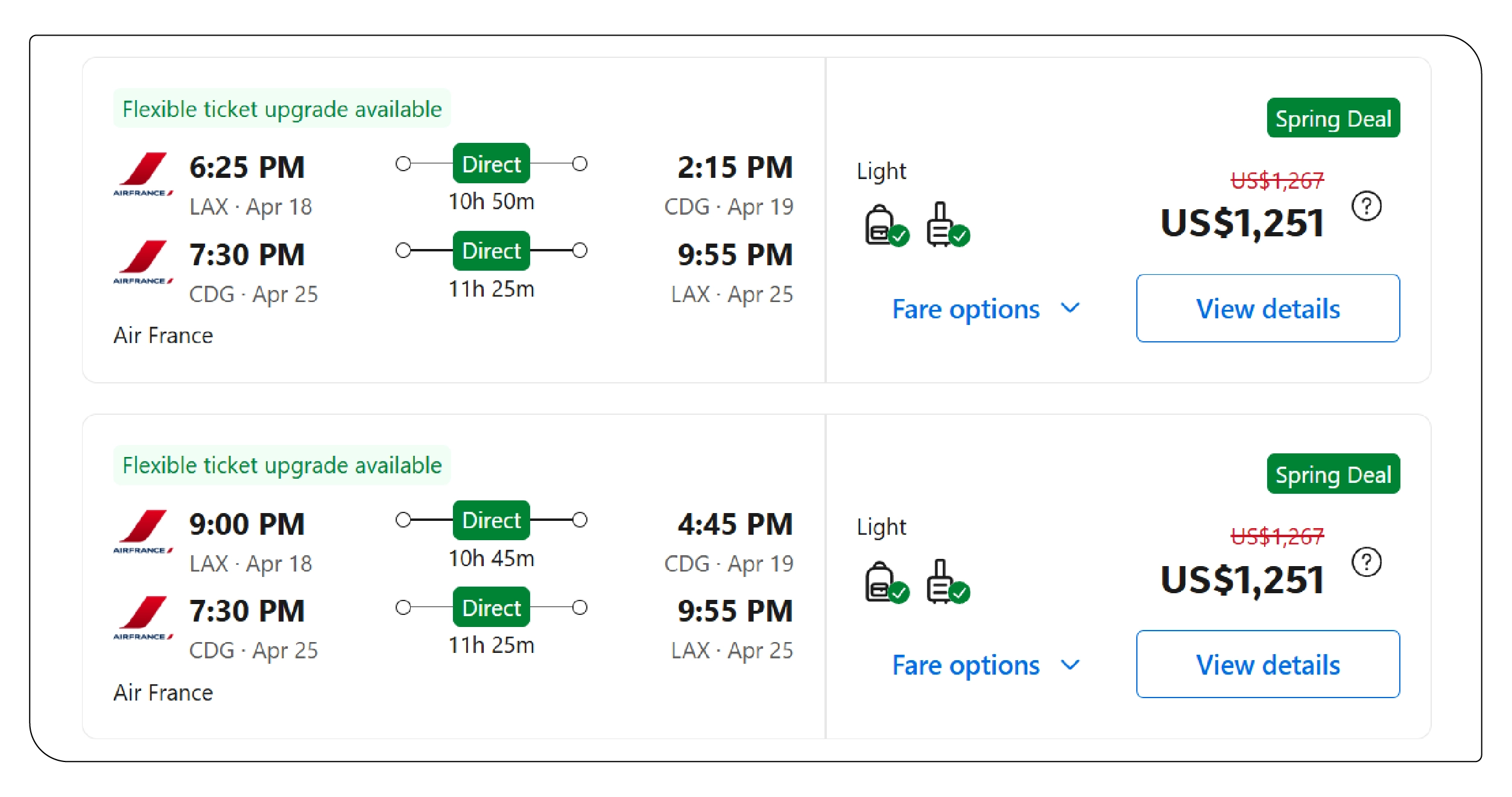
Airline pricing is dynamic and highly responsive to demand changes. Fare increases often occur when airlines detect rising booking activity or anticipate increased traveler demand. Monitoring the frequency of fare increases across specific routes helps analysts identify high-demand periods.
When airlines repeatedly raise prices within short intervals, it indicates strong booking velocity and high market pressure. Travel aggregators and airline analysts track these patterns through specialized datasets such as Airline Price Change Dataset, which records historical fare movements across routes and time periods.
Frequent fare adjustments are a powerful demand signal because airlines typically increase prices when seat inventory starts declining. Thus, price hikes often precede peak booking periods and serve as early warning indicators of demand surges.
Monitoring fare change patterns also supports Flight Price Monitoring, enabling travel platforms to identify pricing trends and forecast upcoming fare fluctuations. These insights help both airlines and travelers make better decisions regarding travel planning and pricing strategies.
Flights Per Day as an Indicator of Market Size
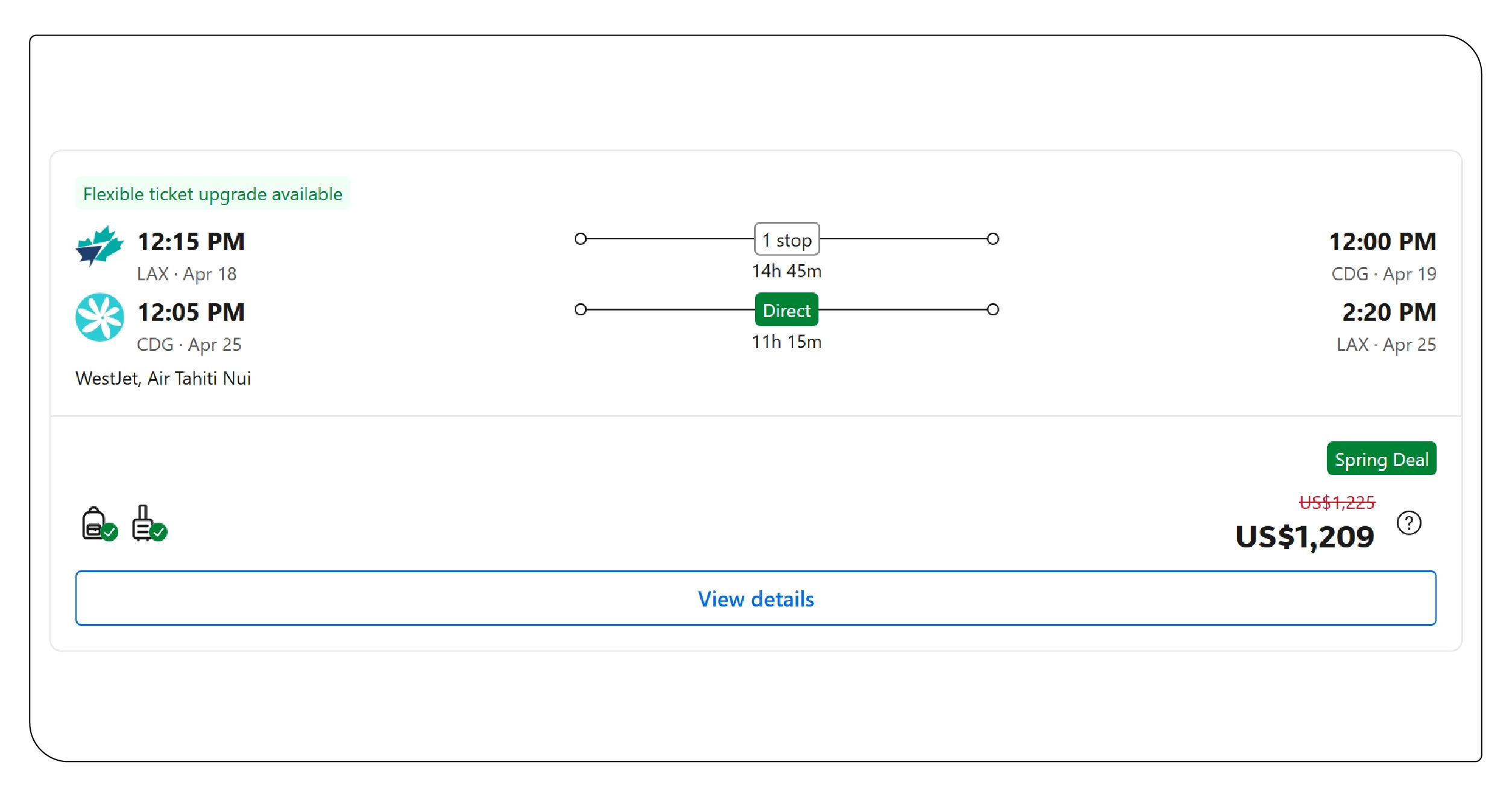
Another important proxy signal in airline demand forecasting is the number of flights operating daily on a specific route. The daily flight frequency reflects route capacity and overall market size.
Routes with a higher number of flights per day typically represent strong demand corridors connecting major cities or international hubs. Analysts often rely on Global Flight Schedule Dataset to evaluate route capacity, airline competition, and market connectivity.
For example, routes like New York–London or Dubai–Mumbai often have dozens of daily flights, reflecting high demand from both business and leisure travelers. By analyzing historical flight frequency data, analysts can perform Flight demand forecasting using flights per day data, enabling airlines to determine which routes require additional capacity during peak seasons.
Higher flight frequency also indicates stronger competition among airlines, which can influence pricing strategies, promotional campaigns, and fare adjustments.
Seat Availability Changes and Booking Velocity
Seat inventory provides a direct view into booking momentum across airline routes. Monitoring how quickly seats become unavailable over time reveals booking velocity and traveler interest.
Airlines track these metrics using Airline seat availability demand analytics, which analyze how seat inventory changes between different time intervals before departure.
For instance:
- Rapid seat depletion suggests strong demand and possible fare increases.
- Stable seat availability indicates moderate booking activity.
- Increasing seat inventory could signal weak demand or flight schedule adjustments.
These analytics help airlines dynamically adjust ticket prices and manage revenue effectively. When seats start filling quickly, airlines often increase prices to maximize revenue per seat.
Seat availability data also assists travel platforms in predicting booking surges and recommending optimal booking times to travelers.
Search Volume Trends as Intent Demand Signals
Traveler search behavior provides another powerful proxy signal for predicting airline demand. When users frequently search for flights between certain destinations, it indicates strong travel intent even before bookings occur.
Search trends allow analysts to perform Airline fare trend and demand analytics, correlating search activity with ticket pricing changes and booking patterns.
Travel search engines and metasearch platforms collect large volumes of search data, enabling comprehensive Airline search volume trend analysis for demand prediction. By examining search patterns across time periods, analysts can identify emerging travel trends and anticipate demand spikes.
For example:
- Rising searches for flights to beach destinations before summer.
- Increased searches for pilgrimage routes during religious festivals.
- High search volume for ski destinations during winter months.
These trends allow airlines to anticipate demand weeks or even months before actual bookings take place.
Holiday Calendars and Seasonal Demand Spikes
Seasonality plays a major role in airline demand forecasting. Holidays, festivals, school breaks, and major events create predictable surges in travel demand.
Airlines rely on Airline seasonal spike analysis using holiday calendar to identify high-demand periods and adjust flight schedules accordingly.
Common travel spikes occur during:
- Christmas and New Year holidays
- Summer vacation months
- Religious festivals
- Major sporting events
- National holidays
By combining holiday calendar data with pricing trends and seat availability signals, airlines can generate more accurate demand forecasts.
Proxy Signals for Airline Demand Prediction
| Proxy Signal | Data Source | Demand Insight | Example Use Case |
|---|---|---|---|
| Fare Increase Frequency | Airline Price Change Dataset | Indicates rising demand and booking pressure | Identifying routes where ticket prices increase frequently |
| Flights Per Day | Global Flight Schedule Dataset | Reflects route capacity and market size | Estimating travel demand between major cities |
| Seat Availability Changes | Airline seat availability demand analytics | Tracks booking velocity and seat depletion | Detecting early booking surges |
| Search Volume Trends | Airline search data platforms | Measures traveler intent before bookings occur | Forecasting demand spikes weeks ahead |
| Holiday Calendar | Global travel event databases | Captures seasonal travel surges | Planning additional flights during peak seasons |
| Fare Monitoring | Flight Price Monitoring tools | Tracks dynamic airline pricing patterns | Identifying fare increase trends |
| Route Competition | Airline route analytics | Indicates market competitiveness | Understanding airline pricing behavior |
| Historical Booking Data | Airline revenue systems | Validates demand forecasting models | Improving long-term route planning |
Sample Airline Route Demand Signals Dataset
| Route | Flights Per Day | Avg Fare Increase Frequency (per week) | Seat Availability Drop (%) | Search Volume Growth (%) | Demand Prediction |
|---|---|---|---|---|---|
| New York – London | 28 | 6 | 45% | 38% | Very High |
| Dubai – Mumbai | 24 | 5 | 41% | 35% | High |
| Singapore – Sydney | 18 | 4 | 33% | 28% | High |
| Los Angeles – Tokyo | 20 | 4 | 31% | 26% | High |
| Paris – Rome | 16 | 3 | 27% | 21% | Moderate |
| Toronto – Vancouver | 22 | 5 | 36% | 30% | High |
| Bangkok – Phuket | 25 | 6 | 42% | 37% | Very High |
| Frankfurt – Istanbul | 14 | 3 | 24% | 19% | Moderate |
| Delhi – Goa | 26 | 5 | 40% | 33% | High |
| Madrid – Barcelona | 30 | 6 | 46% | 39% | Very High |
Role of Real-Time Aviation Data Collection
The effectiveness of airline demand prediction models depends on the availability of large-scale, real-time datasets. Airlines and travel analytics companies increasingly rely on automated systems like Real-Time Flight Data Scraping API to gather continuous data from airline websites, travel aggregators, and booking platforms.
These APIs collect information such as:
- Fare changes
- Flight schedules
- Seat availability
- Route frequency
- Search trends
- Booking patterns
With access to such data, airlines can build advanced predictive models capable of identifying demand signals far earlier than traditional booking analytics.
Strategic Benefits of Demand Prediction Models
Predictive analytics using proxy signals provides multiple benefits for aviation stakeholders.
Airlines
- Optimize flight capacity
- Improve revenue management strategies
- Adjust ticket pricing dynamically
Travel Agencies
- Identify best booking windows
- Forecast fare increases
- Improve travel recommendations
Airports
- Predict passenger traffic levels
- Plan operational resources
- Manage infrastructure capacity
Travel Technology Platforms
- Deliver predictive pricing insights
- Provide demand trend analytics
- Enhance traveler booking experience
These advantages make demand prediction a critical component of modern aviation analytics.
Conclusion
Airline demand forecasting has evolved beyond traditional booking analytics to include a wide range of proxy signals that reveal hidden patterns in traveler behavior. By analyzing fare increase frequency, flight schedules, seat availability, search trends, and seasonal events, airlines can anticipate market demand with greater accuracy.
Advanced datasets such as Airline search volume trend analysis for demand prediction enable travel analysts to monitor traveler intent even before ticket purchases occur. Similarly, insights derived from Airline seasonal spike analysis using holiday calendar allow airlines to plan capacity expansions and pricing strategies during predictable demand surges.
With the support of large-scale aviation datasets and modern technologies like Real-Time Flight Data Scraping API, the airline industry can transform raw travel data into actionable insights. These analytics-driven approaches empower airlines, travel platforms, and tourism organizations to make smarter decisions and adapt quickly to changing travel demand patterns across global aviation markets.
Ready to elevate your travel business with cutting-edge data insights? Scrape Aggregated Flight Fares to identify competitive rates and optimize your revenue strategies efficiently. Discover emerging opportunities with tools to Extract Travel Website Data, leveraging comprehensive data to forecast market shifts and enhance your service offerings. Real-Time Travel App Data Scraping Services helps stay ahead of competitors, gaining instant insights into bookings, promotions, and customer behavior across multiple platforms. Get in touch with Travel Scrape today to explore how our end-to-end data solutions can uncover new revenue streams, enhance your offerings, and strengthen your competitive edge in the travel market.
Unlock the Full Report
Enter your details to access premium pricing intelligence insights