How Does Travel Demand Intelligence for OTA platforms Improve Booking Conversions?
Introduction
Online travel agencies (OTAs) operate in a highly dynamic environment where pricing, availability, traveler intent, and competitor actions shift every second. In such a fast-moving ecosystem, understanding demand before it fully materializes is the difference between leading the market and losing bookings to competitors.
Travel demand intelligence for OTA platforms plays a critical role in helping OTAs anticipate traveler behavior, optimize pricing, and improve conversion rates.
Modern OTAs are increasingly powered by Travel Data Intelligence, enabling them to transform raw travel signals into structured, actionable insights.
One of the most important capabilities enabling this transformation is to Scrape OTA travel demand data, which allows platforms to capture real-time user behavior, pricing trends, and route-level demand shifts across global travel ecosystems.
Understanding the Role of Demand Intelligence in OTAs
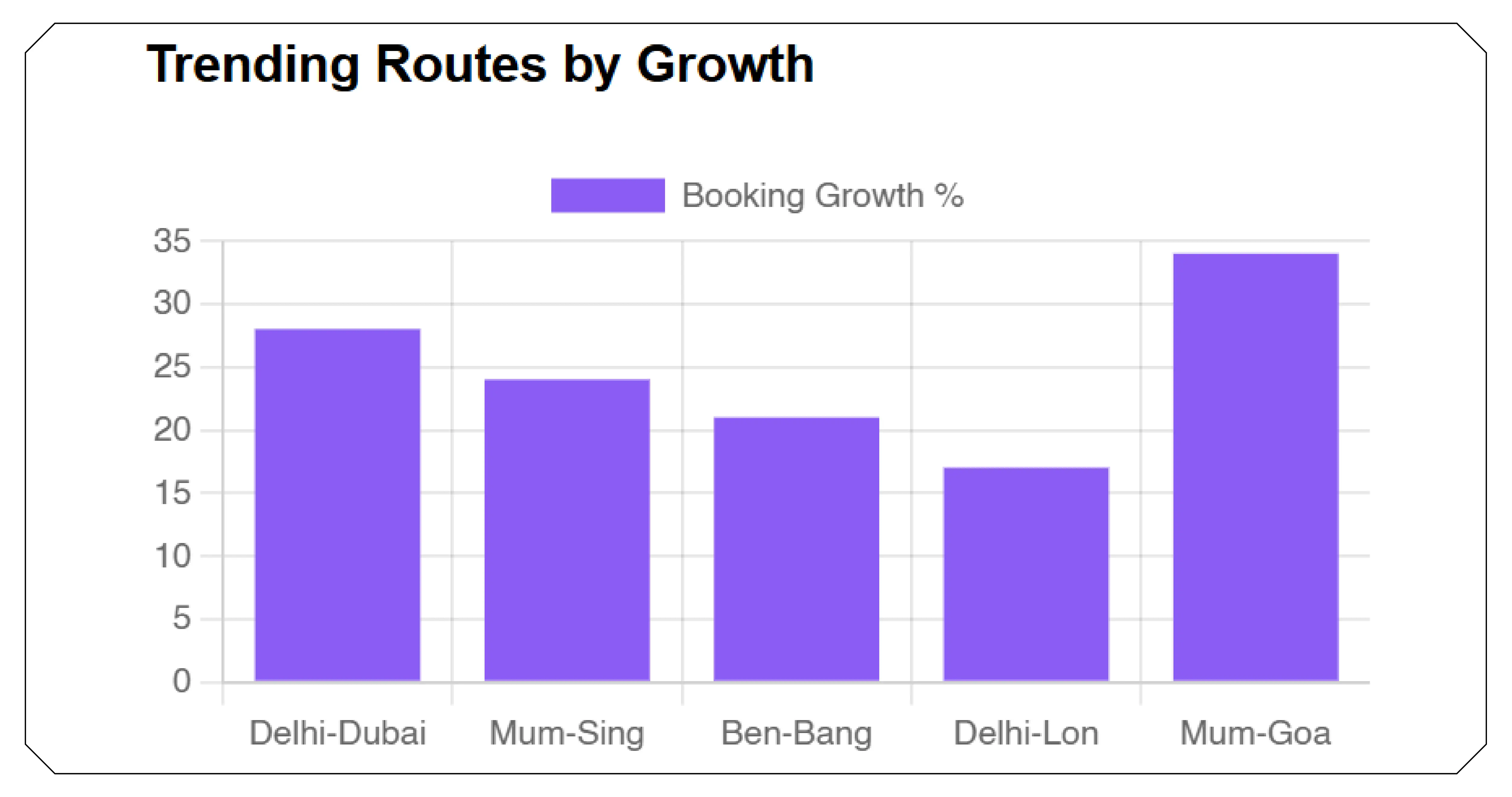
OTA platforms such as Expedia, Booking.com, and regional travel aggregators rely heavily on data-driven decision-making. Demand intelligence helps these platforms answer key questions like:
- Which routes are trending upward in bookings?
- When do travelers start searching for holiday packages?
- How do price changes affect conversion rates?
- Which destinations are becoming seasonal hotspots?
By analyzing these patterns, OTAs can adjust inventory allocation, optimize promotional campaigns, and increase revenue per user.
The Power of Real-Time Travel Data Ecosystems
Modern travel ecosystems are built on millions of daily interactions across flights, hotels, vacation rentals, and experiences. These interactions generate massive datasets that reflect traveler intent long before bookings occur.
One of the most important data streams in this ecosystem is OTAs & Metasearch Data Scraping, which helps platforms extract insights from comparison engines and aggregator sites where users actively evaluate options.
Metasearch platforms often act as the "first signal layer" of demand, revealing:
- Destination interest spikes
- Price sensitivity patterns
- Competitor listing changes
- Seasonal booking surges
By capturing these signals early, OTAs gain a strategic advantage in forecasting demand shifts.
Enhancing Strategic Planning with Demand Analysis
Effective decision-making in travel platforms depends on structured insights derived from large-scale datasets.
OTA market demand analysis enables businesses to understand how traveler preferences evolve across regions, seasons, and travel categories.
This analysis helps identify:
- High-growth destinations
- Underperforming routes
- Emerging travel corridors
- Pricing elasticity across segments
With these insights, OTAs can refine marketing strategies, optimize search ranking algorithms, and improve recommendation systems.
Building Intelligence Pipelines from Raw Travel Data
Data collection is the foundation of any travel intelligence system. Without structured pipelines, raw travel data remains fragmented and unusable.
Travel Data Scraping enables OTAs and travel tech companies to collect structured information from multiple sources such as airline websites, hotel platforms, and third-party aggregators.
This scraped data typically includes:
- Flight prices and seat availability
- Hotel rates and occupancy trends
- Seasonal pricing fluctuations
- User review sentiment patterns
Once structured, this data feeds into analytics engines that generate actionable insights for revenue optimization.
Understanding Booking Behavior and Conversion Patterns
One of the most valuable insights for OTAs is understanding how users transition from search to booking. This is where advanced intelligence systems become essential.
OTA booking demand intelligence focuses on tracking user intent signals, such as search frequency, itinerary modifications, and abandoned bookings.
Key benefits include:
- Identifying high-conversion routes
- Detecting drop-off points in booking funnels
- Optimizing retargeting campaigns
- Improving personalized recommendations
This intelligence allows OTAs to intervene at the right moment with targeted offers and dynamic pricing strategies.
Competitive Pricing and Revenue Optimization
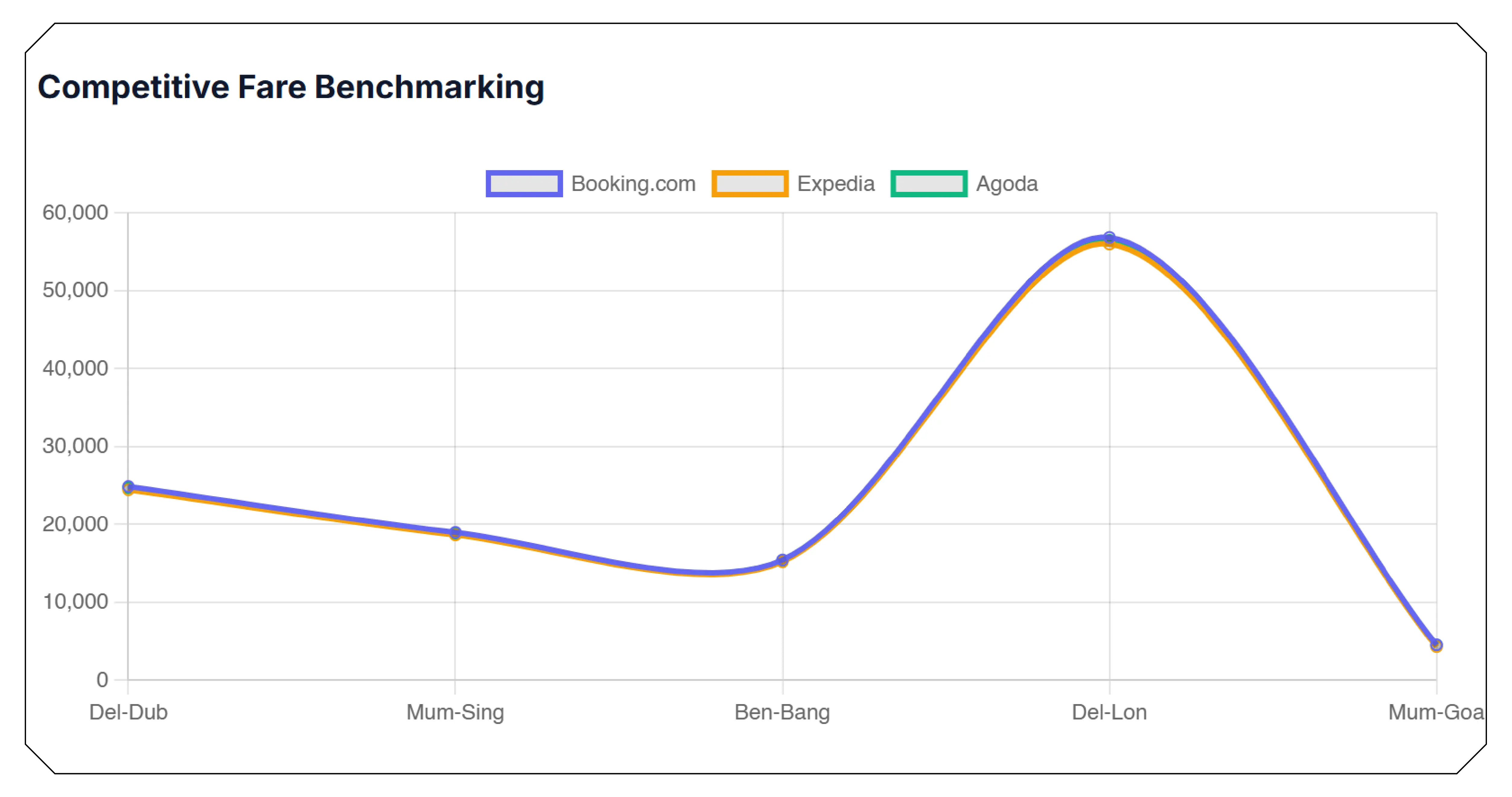
Pricing is one of the most sensitive factors in travel decision-making. Even small price differences can significantly impact booking conversion rates.
OTA Price Intelligence helps platforms monitor competitor pricing in real time and adjust their own rates dynamically.
This enables:
- Competitive fare benchmarking
- Real-time price adjustments
- Profit margin optimization
- Demand-based pricing strategies
By leveraging price intelligence, OTAs can ensure they remain competitive while maximizing revenue per booking.
Leveraging Structured Datasets for Predictive Modeling
Predictive analytics is becoming central to modern travel platforms. Machine learning models require large, structured datasets to forecast demand accurately.
OTA traveler demand dataset refers to aggregated and cleaned data that reflects traveler behavior across routes, destinations, and time periods.
These datasets help in:
- Predicting peak travel seasons
- Forecasting destination demand
- Identifying emerging travel trends
- Optimizing inventory planning
With such datasets, OTAs can move from reactive decision-making to proactive strategy development.
Key Challenges in Travel Demand Intelligence
Despite its advantages, building a robust travel intelligence system comes with challenges:
Data Fragmentation
Travel data is spread across multiple platforms, making integration complex.
Real-Time Processing
Demand signals change rapidly, requiring low-latency data pipelines.
Pricing Volatility
Frequent price changes make historical comparisons difficult.
Data Quality Issues
Incomplete or inconsistent data can distort predictive models.
Overcoming these challenges requires scalable infrastructure, AI-driven data cleaning, and continuous monitoring systems.
The Future of OTA Intelligence Systems

The next generation of OTAs will be powered by fully automated intelligence systems that combine real-time data ingestion, AI forecasting, and dynamic pricing engines.
These systems will not only analyze demand but also predict traveler intent before searches even begin. This shift will redefine how travel platforms operate, making them more proactive, personalized, and efficient.
Strategic Impact on OTA Growth
Travel demand intelligence is no longer optional—it is a core competitive necessity. OTAs that effectively leverage data gain advantages in:
- Faster market response times
- Higher conversion rates
- Improved customer retention
- Better pricing accuracy
- Stronger global expansion strategies
As competition intensifies, data-driven decision-making will determine which platforms dominate the travel industry.
How Travel Scrape Can Help You?
Real-Time Travel Demand Tracking
Our data scraping services continuously collect live travel data from OTAs, enabling businesses to monitor shifting demand patterns, emerging routes, seasonal spikes, and traveler intent signals for faster decision-making accuracy.
Competitive Pricing Intelligence
We help extract real-time fare and hotel pricing data across platforms, allowing companies to benchmark competitors, adjust dynamic pricing strategies, and maximize revenue while staying competitive in volatile travel markets.
Accurate Market Demand Analysis
Our scraping solutions provide structured datasets for deep OTA market demand analysis, helping identify high-growth destinations, booking trends, customer preferences, and regional travel behaviors across global tourism ecosystems.
Booking Behavior & Conversion Insights
We capture granular user journey data to support OTA booking demand intelligence, revealing search-to-book patterns, abandonment points, and conversion triggers that improve targeting, personalization, and overall booking performance optimization.
Predictive Travel Intelligence Models
Our structured OTA traveler demand dataset supports AI-driven forecasting systems, enabling Travel Demand Forecasting for Next-Gen OTAs with accurate predictions of seasonal demand shifts, pricing trends, and traveler behavior patterns.
Conclusion: The Next Phase of Travel Intelligence
The evolution of OTAs depends on how effectively they transform raw travel signals into predictive insights that drive bookings and revenue growth.
Travel Demand Forecasting for Next-Gen OTAs is becoming essential for platforms aiming to stay ahead of rapidly changing traveler behavior.
At the same time, Travel Demand Analytics for Modern OTA Platforms ensures that businesses can continuously refine strategies based on real-time market feedback.
Ultimately, the integration of Travel Scraping API solutions enables seamless access to structured travel data, powering the next wave of intelligent, automated, and highly responsive OTA ecosystems.
Ready to elevate your travel business with cutting-edge data insights? Scrape Aggregated Flight Fares to identify competitive rates and optimize your revenue strategies efficiently. Discover emerging opportunities with tools to Extract Travel Website Data, leveraging comprehensive data to forecast market shifts and enhance your service offerings. Real-Time Travel App Data Scraping Services helps stay ahead of competitors, gaining instant insights into bookings, promotions, and customer behavior across multiple platforms. Get in touch with Travel Scrape today to explore how our end-to-end data solutions can uncover new revenue streams, enhance your offerings, and strengthen your competitive edge in the travel market.
Unlock the Full Report
Enter your details to access premium pricing intelligence insights