Flight & Hotel Price Trend Analytics: Understanding OTA Pricing Patterns and Market Fluctuations
Introduction
The global travel industry has undergone a massive transformation driven by digital platforms, real-time data, and dynamic pricing models. In this evolving landscape, Flight & Hotel Price Trend Analytics plays a critical role in helping airlines, hotels, and online travel agencies (OTAs) understand pricing behavior, demand fluctuations, and consumer booking patterns.
Modern travel platforms increasingly rely on OTA flight and hotel pricing trends data scrape to extract actionable insights from multiple sources. This data enables businesses to track competitor pricing, identify seasonal trends, and optimize revenue strategies effectively.
At the core of this ecosystem lies OTA pricing patterns and demand intelligence, which combines historical pricing data with real-time demand signals to forecast future trends. By leveraging analytics, travel companies can make informed pricing decisions, maximize occupancy rates, and enhance customer satisfaction.
Evolution of Pricing in the Travel Industry
Traditionally, airline and hotel pricing followed static or semi-static models based on seasonal demand. However, the rise of digital platforms and big data has shifted the industry toward dynamic pricing.
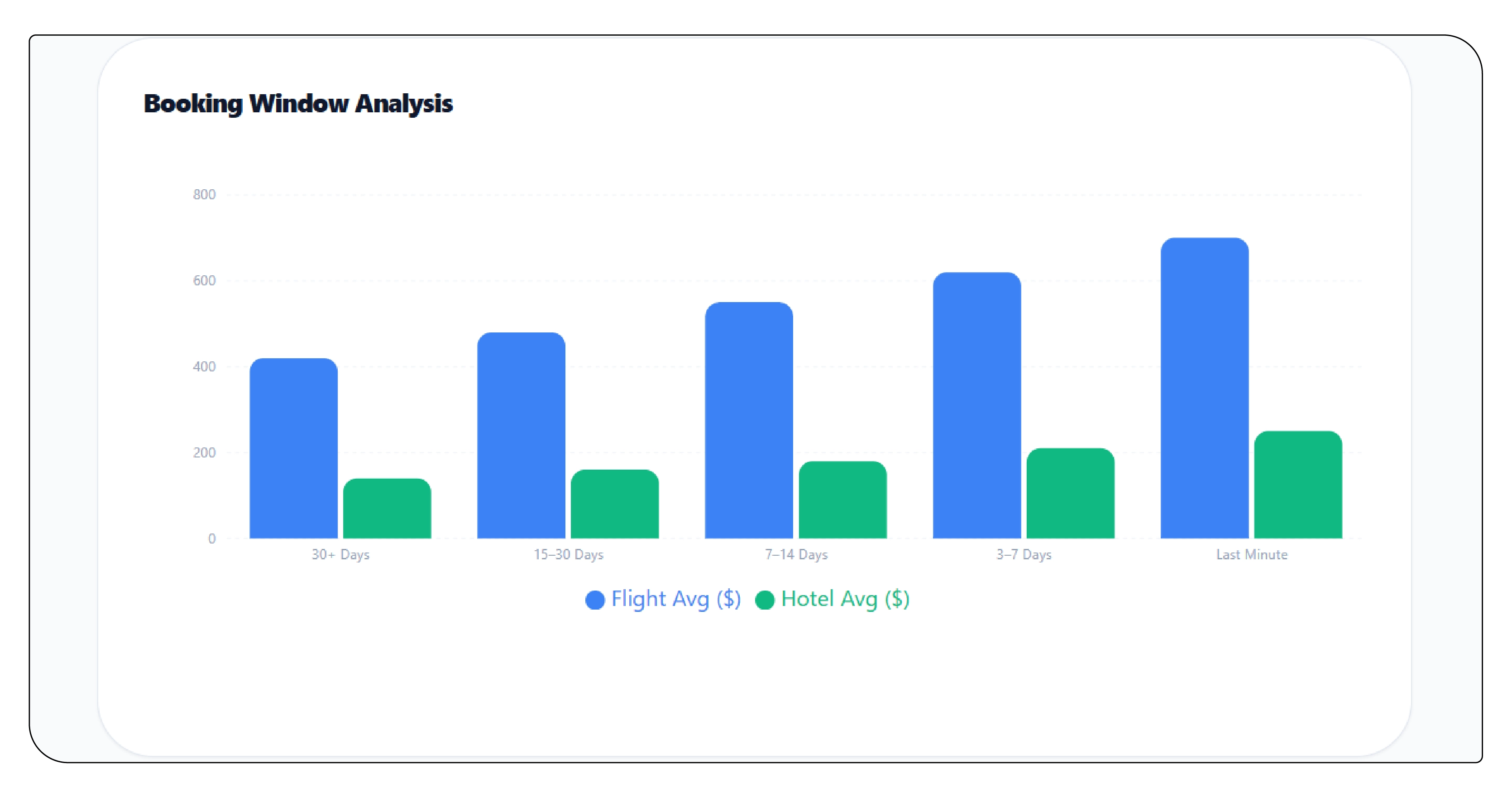
Airlines now adjust fares multiple times daily based on demand, competitor pricing, fuel costs, and booking windows. Similarly, hotels modify room rates depending on occupancy, local events, and customer behavior.
This transformation has made Flight & hotel demand signal analytics essential for identifying patterns such as peak booking periods, cancellation trends, and customer preferences.
Key Drivers of Price Trends
1. Demand and Supply Dynamics
Travel demand fluctuates based on holidays, events, and economic conditions. Limited supply during peak seasons leads to price surges, while off-season periods offer discounts.
2. Booking Window Behavior
Early bookings often secure lower prices, while last-minute bookings may either spike or drop depending on unsold inventory.
3. Geographic Factors
Routes, destinations, and regional demand significantly influence pricing. For example, international routes typically exhibit higher volatility compared to domestic ones.
These variations contribute to overall Flight & hotel market fluctuation, making it crucial for businesses to continuously monitor pricing trends.
Role of Data Scraping in Travel Analytics
Data scraping has emerged as a powerful tool for collecting large volumes of pricing data from OTAs, airline websites, and hotel booking platforms.
Through OTA competitive pricing data scraping, companies can gather competitor pricing information, promotional offers, and availability data. This enables businesses to stay competitive and adjust pricing strategies in real time.
Furthermore, integrating scraped data with analytics tools allows organizations to perform flight and hotel dynamic pricing trend analysis, uncovering hidden patterns and optimizing revenue models.
Sample Flight Pricing Trends Across Key Routes
| Route | Avg (Jan) | Avg (Apr) | Avg (Jul) | Avg (Dec) | Volatility | Peak Demand |
|---|---|---|---|---|---|---|
| New York – London | $450 | $520 | $780 | $690 | 35% | July |
| Delhi – Dubai | $220 | $260 | $410 | $380 | 42% | December |
| Sydney – Singapore | $300 | $340 | $500 | $470 | 38% | July |
| Paris – Rome | $150 | $180 | $320 | $290 | 47% | August |
| Tokyo – Seoul | $120 | $140 | $210 | $190 | 33% | July |
| Los Angeles – Tokyo | $650 | $720 | $1,100 | $980 | 41% | July |
| Mumbai – Bangkok | $200 | $240 | $390 | $350 | 39% | December |
Hotel Pricing Trends by Category and Season
| Hotel Category | Off-Season ($) | Peak Season ($) | Weekend Surge | Occupancy | Pricing Frequency |
|---|---|---|---|---|---|
| Budget | 40 | 65 | 15% | 70% | Low |
| Mid-range | 80 | 140 | 25% | 78% | Medium |
| Luxury | 200 | 380 | 35% | 85% | High |
| Resorts | 150 | 320 | 40% | 88% | Very High |
| Boutique | 120 | 250 | 30% | 82% | Medium |
Analytical Approaches in Pricing Trends
Advanced analytics techniques are widely used to interpret travel pricing data:
Predictive Analytics
Forecasts future pricing trends based on historical data and demand signals.
Prescriptive Analytics
Recommends optimal pricing strategies for maximizing revenue.
Real-Time Analytics
Enables instant price adjustments based on current market conditions.
These approaches form the foundation of OTA Price Intelligence, allowing companies to remain agile in a competitive market.
Benefits of Price Trend Analytics
Improved Revenue Management
Businesses can optimize pricing strategies to maximize profits.
Enhanced Customer Insights
Understanding booking behavior helps personalize offers.
Competitive Advantage
Real-time monitoring ensures better positioning against competitors.
Demand Forecasting
Predict future trends and plan inventory accordingly.
Challenges in Price Trend Analysis
Despite its benefits, several challenges exist:
- Data inconsistency across platforms
- Frequent price changes requiring real-time tracking
- Integration complexities with existing systems
- Regulatory and compliance considerations
To overcome these issues, companies increasingly rely on Airline Data Scraping solutions that provide accurate and structured datasets.
Emerging Trends in Travel Pricing
1. AI-Driven Dynamic Pricing
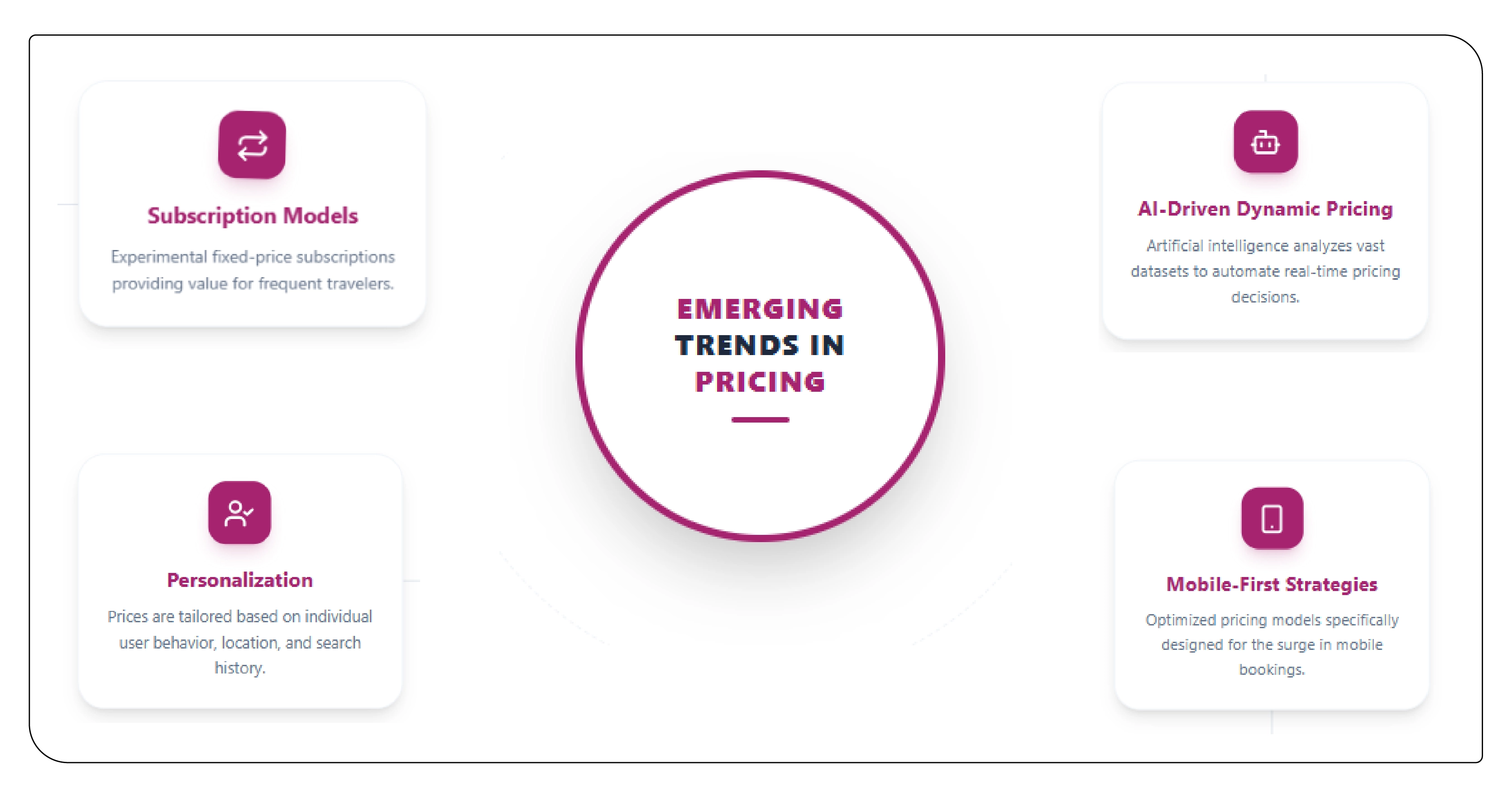
Artificial intelligence is being used to analyze vast datasets and automate pricing decisions.
2. Personalization
Prices are tailored based on user behavior, location, and search history.
3. Mobile-First Pricing Strategies
With the rise of mobile bookings, pricing strategies are optimized for mobile users.
4. Subscription-Based Travel Models
Some platforms are experimenting with fixed pricing subscriptions for frequent travelers.
Strategic Implications for Businesses
Organizations leveraging price analytics can:
- Identify underpriced or overpriced routes and properties
- Adjust marketing campaigns based on demand trends
- Optimize inventory allocation
- Enhance customer retention through targeted pricing
These strategies rely heavily on continuous flight and hotel dynamic pricing trend analysis to ensure long-term success.
Conclusion
The travel industry’s pricing landscape is increasingly complex, driven by real-time demand, competitive pressures, and technological advancements. Businesses that adopt data-driven approaches gain a significant edge in this dynamic environment.
By utilizing advanced Hotel Data Scraping, companies can gather granular insights into room pricing, availability, and seasonal demand variations. This data becomes the backbone of effective pricing strategies.
Additionally, continuous Price Monitoring ensures that businesses remain competitive by responding quickly to market changes and customer behavior.
Finally, leveraging Market Share Analysis enables organizations to understand their position in the industry, benchmark performance against competitors, and identify growth opportunities.
In summary, Flight & Hotel Price Trend Analytics is not just a tool but a strategic necessity for navigating the modern travel ecosystem, driving profitability, and delivering enhanced customer experiences.
Ready to elevate your travel business with cutting-edge data insights? Scrape Aggregated Flight Fares to identify competitive rates and optimize your revenue strategies efficiently. Discover emerging opportunities with tools to Extract Travel Website Data, leveraging comprehensive data to forecast market shifts and enhance your service offerings. Real-Time Travel App Data Scraping Services helps stay ahead of competitors, gaining instant insights into bookings, promotions, and customer behavior across multiple platforms. Get in touch with Travel Scrape today to explore how our end-to-end data solutions can uncover new revenue streams, enhance your offerings, and strengthen your competitive edge in the travel market.
Unlock the Full Report
Enter your details to access premium pricing intelligence insights