Thailand Ride-Hailing Surge Pricing Analysis: Insights from Grab & Bolt Fare Data
Introduction
Thailand’s ride-hailing market has grown rapidly due to urban congestion, rising smartphone penetration, and increased reliance on app-based mobility. Platforms like Grab and Bolt use dynamic pricing—commonly known as surge pricing—to balance supply and demand. Surge pricing ensures drivers are incentivized during high-demand periods and riders’ expectations are managed regarding fare fluctuations.
Analyzing these patterns provides Thailand ride-hailing surge pricing analysis, which is crucial for business strategy, consumer behavior prediction, and regulatory oversight. Moreover, Bolt Car Rental Data Scraping allows companies to collect historical and real-time pricing data, enabling actionable insights for pricing optimization. By employing method to Scrape Grab and Bolt dynamic pricing comparison techniques, analysts can identify differences in pricing strategies, responsiveness to demand, and platform-specific surge triggers.
Objectives of the Study
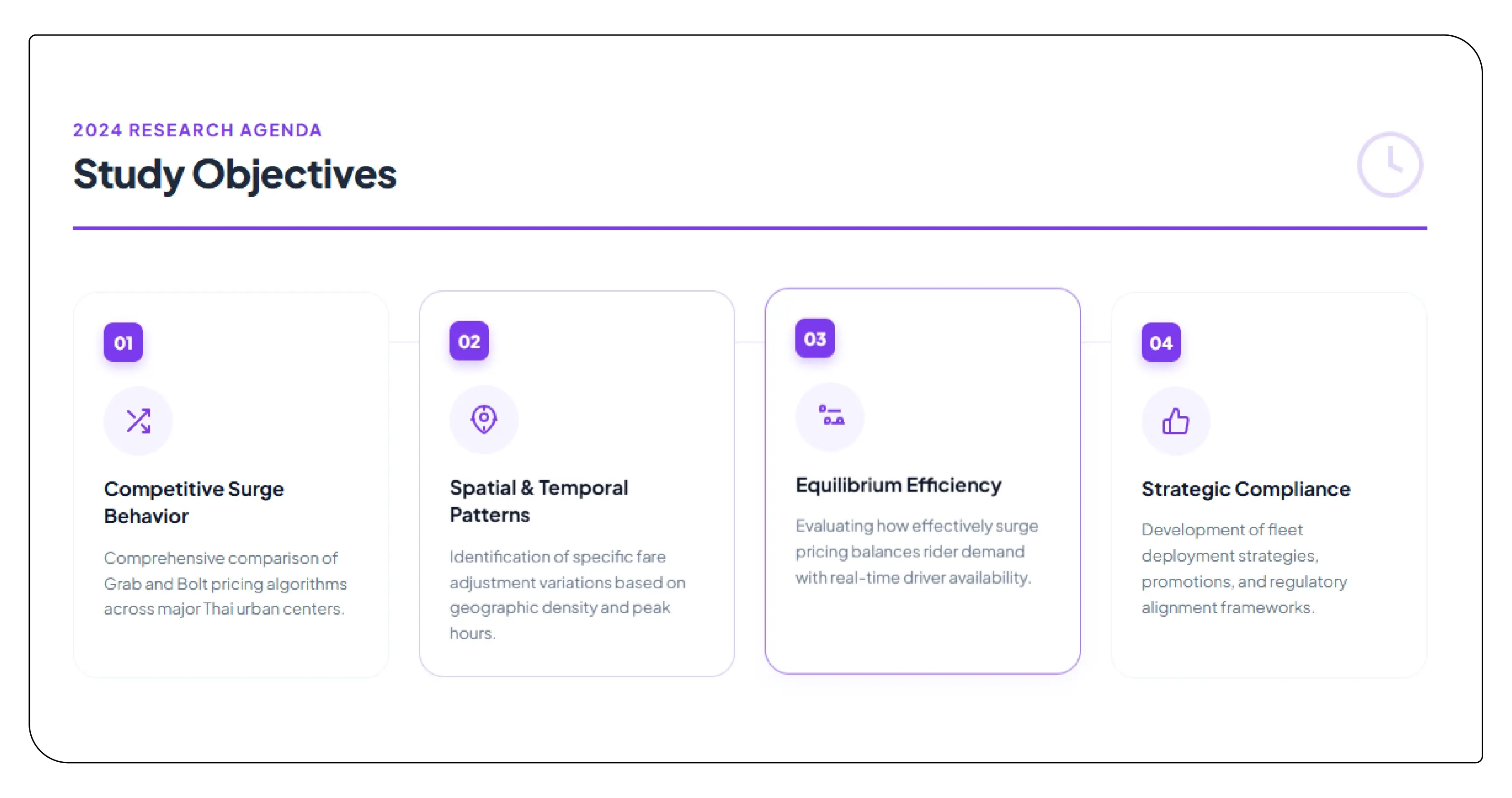
The study aims to:
- Compare Grab and Bolt surge pricing behavior across major Thai cities.
- Identify temporal and spatial variations in fare adjustments.
- Determine the effectiveness of surge pricing in balancing rider demand and driver availability.
- Provide recommendations for fleet deployment, dynamic promotions, and regulatory compliance.
Data Collection and Methodology
Data was collected over 30 days from Bangkok, Chiang Mai, and Phuket. Grab Taxi Car Rental Data Scraping gathered ride requests, base fares, and surge multipliers at 15-minute intervals, while strategy to Extract Grab vs Bolt Fare Market Comparison Thailand captured analogous data from Bolt. To ensure accuracy, a Real-Time Car Rental Data Scraping API was used to capture fare changes during sudden demand spikes, such as public holidays, weekend evenings, or festival periods.
All collected data were cleaned, normalized, and aggregated into a Car Rental Price Trends Dataset, enabling comprehensive analysis of surge patterns. Outliers—such as system errors or extreme fares caused by third-party promotions—were removed to ensure the reliability of the insights.
Surge Pricing by Hour: Temporal Dynamics
Hourly analysis reveals the variation in surge multipliers throughout the day. The following table presents hourly base fares, surge multipliers, and effective fares for both Grab and Bolt in Bangkok:
| Hour of Day | Grab Base Fare (THB) | Grab Surge Multiplier | Grab Effective Fare (THB) | Bolt Base Fare (THB) | Bolt Surge Multiplier | Bolt Effective Fare (THB) |
|---|---|---|---|---|---|---|
| 06:00-07:00 | 35 | 1.2 | 42 | 32 | 1.15 | 36.8 |
| 07:00-08:00 | 35 | 1.5 | 52.5 | 32 | 1.4 | 44.8 |
| 08:00-09:00 | 35 | 1.3 | 45.5 | 32 | 1.25 | 40 |
| 09:00-10:00 | 35 | 1.1 | 38.5 | 32 | 1.1 | 35.2 |
| 10:00-11:00 | 35 | 1.0 | 35 | 32 | 1.05 | 33.6 |
| 11:00-12:00 | 35 | 1.0 | 35 | 32 | 1.0 | 32 |
| 12:00-13:00 | 35 | 1.05 | 36.8 | 32 | 1.1 | 35.2 |
| 13:00-14:00 | 35 | 1.0 | 35 | 32 | 1.05 | 33.6 |
| 14:00-15:00 | 35 | 1.0 | 35 | 32 | 1.0 | 32 |
| 15:00-16:00 | 35 | 1.1 | 38.5 | 32 | 1.1 | 35.2 |
| 16:00-17:00 | 35 | 1.3 | 45.5 | 32 | 1.25 | 40 |
| 17:00-18:00 | 35 | 1.6 | 56 | 32 | 1.5 | 48 |
| 18:00-19:00 | 35 | 1.5 | 52.5 | 32 | 1.45 | 46.4 |
| 19:00-20:00 | 35 | 1.3 | 45.5 | 32 | 1.3 | 41.6 |
| 20:00-21:00 | 35 | 1.2 | 42 | 32 | 1.2 | 38.4 |
| 21:00-22:00 | 35 | 1.1 | 38.5 | 32 | 1.1 | 35.2 |
| 22:00-23:00 | 35 | 1.0 | 35 | 32 | 1.0 | 32 |
| 23:00-00:00 | 35 | 1.0 | 35 | 32 | 1.0 | 32 |
Analysis:
- Grab’s surge pricing peaks during morning (07:00–08:00) and evening (17:00–18:00) rush hours, reflecting high commuter demand.
- Bolt’s surge pattern is slightly less volatile but still follows the same peak periods.
- Late-night and mid-day periods show minimal surges, indicating stable demand and sufficient driver availability.
These patterns illustrate how Grab surge pricing analysis Thailand can help predict fare spikes and optimize fleet distribution.
City-Wise Surge Patterns: Geographic Dynamics
Analyzing different cities provides insight into how geography and local demand influence surge multipliers.
| City | Platform | Weekday Avg Fare (THB) | Weekend Avg Fare (THB) | Max Surge Multiplier | Min Surge Multiplier | Observations |
|---|---|---|---|---|---|---|
| Bangkok | Grab | 45 | 52 | 1.6 | 1.0 | Central Business District shows high surge fluctuations; peak hours dominate |
| Bangkok | Bolt | 40 | 47 | 1.5 | 1.0 | Steady surges; less sensitive to short-term demand spikes |
| Chiang Mai | Grab | 38 | 44 | 1.4 | 1.0 | Moderate congestion; tourist weekends show mild spikes |
| Chiang Mai | Bolt | 36 | 42 | 1.35 | 1.0 | Stable pricing; surge triggers align with tourist arrivals |
| Phuket | Grab | 50 | 60 | 1.7 | 1.0 | Peak surges driven by tourist influx and weekend demand |
| Phuket | Bolt | 46 | 55 | 1.6 | 1.0 | Fares closely follow local events; steady response to demand |
Insights:
- Tourist-heavy cities like Phuket experience sharper surge spikes than commuter-centric Bangkok.
- Chiang Mai shows modest surge variations, reflecting less traffic congestion and predictable demand.
- Cross-platform comparison highlights Grab’s higher sensitivity to sudden demand changes, suggesting a more aggressive surge algorithm.
Comparative Insights: Grab vs Bolt
- Demand Responsiveness: Grab reacts faster to surges, likely using predictive algorithms that factor in real-time ride requests.
- Price Stability: Bolt maintains steadier fares, appealing to riders prioritizing predictability over availability.
- Operational Efficiency: Knowledge of surge intervals can optimize driver deployment, reduce idle time, and enhance revenue per ride.
Implications for Stakeholders
- For Ride-Hailing Companies: Leveraging Grab Taxi Car Rental Data Scraping helps refine pricing strategies and forecast peak demand.
- For Regulators: Understanding surge patterns supports fair pricing enforcement during emergencies or major events.
- For Consumers: Awareness of surge trends enables smarter ride selection and cost savings through informed decisions.
- For Analysts: Utilizing Bolt fare data Scraping in Thailand allows detailed market comparison and competitive insights.
Strategic Recommendations
- Implement predictive analytics using Scrape Grab and Bolt dynamic pricing comparison datasets to forecast surge periods.
- Deploy targeted promotions during high-demand periods to retain customers.
- Adjust driver allocation based on city-level and hourly surge data for operational efficiency.
- Incorporate insights from Car Rental Price Trends Dataset to model pricing scenarios for new service areas.
Conclusion: Leveraging Data for Competitive Advantage
This research highlights the critical role of Grab & Bolt ride-hailing fare monitoring Thailand in analyzing and understanding the complexities of dynamic pricing within the country’s urban mobility landscape. By integrating Ride-Hailing Competitive Pricing Intelligence, companies can make informed decisions that balance profitability with affordability, ensuring better service for riders. Utilizing Car Rental Data Intelligence helps maintain sustainable earnings for drivers while improving operational planning.
Real-time data insights allow for optimized fleet allocation and more accurate surge prediction across different cities. Such intelligence enables effective responses to sudden demand fluctuations and unexpected market changes. Actionable insights derived from this data improve operational efficiency and provide a strategic advantage. These capabilities help ride-hailing platforms remain competitive in Thailand’s dynamic mobility market. Ultimately, this approach enhances customer satisfaction while strengthening overall market positioning.
Ready to elevate your travel business with cutting-edge data insights? Scrape Aggregated Flight Fares to identify competitive rates and optimize your revenue strategies efficiently. Discover emerging opportunities with tools to Extract Travel Website Data, leveraging comprehensive data to forecast market shifts and enhance your service offerings. Real-Time Travel App Data Scraping Services helps stay ahead of competitors, gaining instant insights into bookings, promotions, and customer behavior across multiple platforms. Get in touch with Travel Scrape today to explore how our end-to-end data solutions can uncover new revenue streams, enhance your offerings, and strengthen your competitive edge in the travel market.
Unlock the Full Report
Enter your details to access premium pricing intelligence insights