Global Flight Pricing Extraction: A 6–12 Month Analysis of Fare Trends, Seasonality & Demand Using Google Flights Data
Introduction
The airline industry operates in one of the most dynamic pricing environments in the world. Flight ticket prices can fluctuate within minutes depending on route demand, booking windows, weather conditions, fuel costs, holidays, and competitor pricing activity. In this fast-moving environment, travel businesses, OTAs, tourism companies, airlines, and market analysts increasingly rely on Global Flight Pricing extraction to gain actionable insights into airfare behavior and customer demand trends.
Modern travel intelligence systems continuously Extract Google Flights Flight API Data to monitor fare changes across domestic and international routes. These datasets help businesses analyze booking patterns, identify seasonal demand peaks, optimize ticket pricing, and forecast traveler behavior more accurately.
Today, travel enterprises are investing heavily in global flight pricing extraction using Google Flights data because it provides large-scale visibility into global airfare movements. With access to historical and live flight pricing data, businesses can improve revenue forecasting, strengthen travel planning strategies, and deliver better customer experiences.
Understanding Global Flight Pricing Extraction
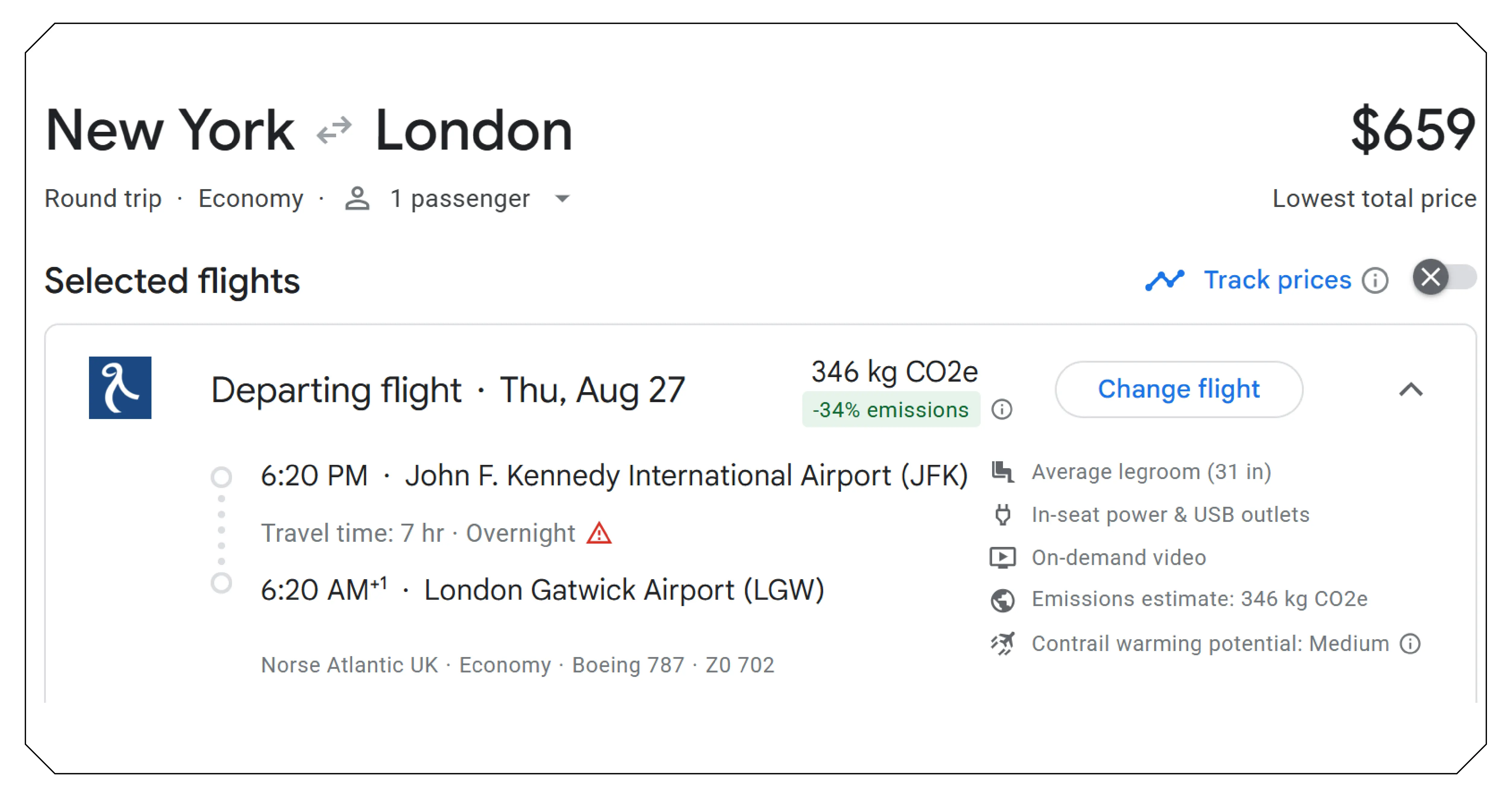
Global flight pricing extraction refers to the automated collection of airfare information from flight search engines, airline websites, OTAs, and metasearch platforms. These systems gather structured data related to:
- Airline ticket prices
- Airport routes
- Flight duration
- Fare classes
- Booking windows
- Seasonal discounts
- Airline competition
- Seat availability
- Travel demand fluctuations
- Regional route performance
Using automated extraction tools, businesses can monitor airfare changes in real time without manually tracking thousands of airline routes every day.
The travel industry depends on dynamic pricing algorithms, meaning airfare values constantly change based on supply and demand. This makes long-term pricing analysis essential for businesses that want accurate travel intelligence.
Why Google Flights Data Matters for Travel Analytics?
Google Flights has become one of the most widely used flight search platforms because it aggregates airline fares from multiple global carriers and travel providers. Businesses use this data to analyze:
- Global airfare trends
- Regional route demand
- Seasonal booking behavior
- Airline competition
- Fare volatility
- Tourism market activity
Unlike isolated airline datasets, Google Flights provides broader market visibility across routes, travel classes, and destinations.
For travel companies, historical airfare data becomes extremely valuable for predictive modeling and pricing intelligence.
Growing Importance of Airline Data Scraping
The aviation sector increasingly depends on automated Airline Data Scraping systems to process large-scale airfare information efficiently.
These scraping systems collect:
- Real-time ticket prices
- Historical fare changes
- Route-specific demand patterns
- Airport traffic trends
- Multi-airline pricing comparisons
- Business and economy class variations
- Holiday travel pricing
- Last-minute booking trends
Without automated data extraction, businesses would struggle to monitor airfare behavior across thousands of routes simultaneously.
Airline data scraping has become essential for:
- Travel agencies
- Tourism boards
- Corporate travel managers
- Airlines
- Hospitality companies
- Market research firms
- Fare comparison platforms
How Fare Trends Change Across 6–12 Months?
Airfare pricing follows seasonal and demand-driven cycles. Analyzing fare behavior across 6–12 months helps businesses identify recurring trends and future pricing opportunities.
Several major factors influence long-term airfare patterns:
- Holiday Travel Demand
- Weather and Seasonal Tourism
- Business Travel Cycles
- Fuel Cost Fluctuations
- Airline Competition
Detailed Table: A 6–12 Month Analysis of Fare Trends, Seasonality & Demand Using Google Flights Data
| Month | Popular Route | Average Economy Fare (USD) | Demand Growth % | Average Booking Window | Seasonal Trend | Fare Increase Compared to Lowest Month |
|---|---|---|---|---|---|---|
| January | New York → London | $540 | 12% | 45 Days | Post-holiday decline | +8% |
| February | Dubai → Bangkok | $480 | 15% | 38 Days | Moderate tourism demand | Lowest Fare Month |
| March | Singapore → Tokyo | $610 | 24% | 40 Days | Spring tourism growth | +27% |
| April | Los Angeles → Paris | $720 | 32% | 50 Days | Easter travel season | +42% |
| May | Delhi → Dubai | $410 | 18% | 30 Days | Corporate travel growth | +12% |
| June | Sydney → Bali | $690 | 45% | 60 Days | Summer vacation surge | +58% |
| July | New York → Rome | $880 | 62% | 75 Days | Peak international tourism | +82% |
| August | Toronto → Barcelona | $840 | 57% | 70 Days | Family vacation season | +74% |
| September | Chicago → Berlin | $560 | 16% | 42 Days | Off-season decline | +18% |
| October | Mumbai → Singapore | $470 | 11% | 28 Days | Stable business travel | +5% |
| November | San Francisco → Tokyo | $590 | 20% | 35 Days | Pre-holiday increase | +22% |
| December | London → Dubai | $930 | 71% | 90 Days | Holiday peak demand | +94% |
Historical Fare Analysis for Smarter Travel Decisions
Travel businesses increasingly rely on historical flight fare analysis using Google Flights data to understand long-term pricing behavior and customer demand cycles.
Historical airfare analysis helps organizations identify:
- Cheapest travel periods
- Peak demand months
- Route-specific volatility
- Best advance booking windows
- High-performing airline routes
- Seasonal fare inflation patterns
For example, airlines may observe that Europe-bound routes experience higher fare increases during July and December, while Southeast Asian routes show lower volatility during shoulder seasons.
These insights improve operational planning and pricing optimization.
Seasonal Airline Analytics and Tourism Intelligence
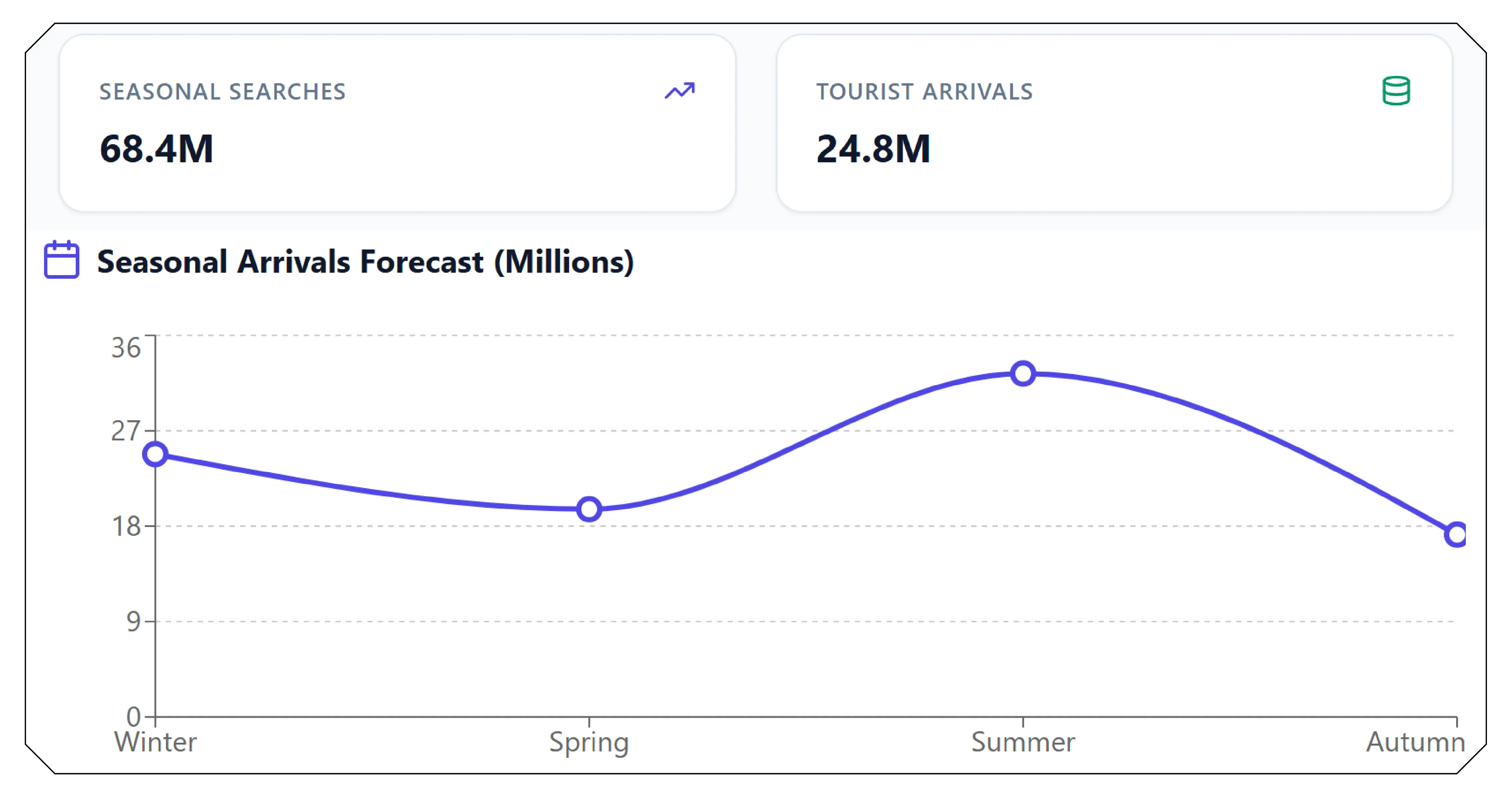
Advanced travel analytics systems now use Google Flights seasonal airline analytics for tourism markets data to evaluate tourism activity across global destinations.
Tourism boards and travel agencies monitor:
- Seasonal tourist arrivals
- Destination popularity shifts
- Airport congestion patterns
- Vacation booking cycles
- Festival-driven travel surges
- International tourism recovery trends
Seasonality analytics help governments, airports, airlines, and tourism companies allocate resources more effectively.
For instance:
- Ski destinations experience strong winter airfare growth.
- Coastal destinations peak during summer vacations.
- Religious destinations show increased demand during festivals and pilgrimage seasons.
Real-Time Fare Fluctuation Monitoring
Airfare prices can change several times daily depending on airline inventory systems and customer demand.
Businesses use automated Fare Fluctuation Alerts to detect:
- Flash fare discounts
- Sudden route demand spikes
- Last-minute price increases
- Competitor pricing changes
- Seasonal promotions
- Error fares and temporary discounts
These alerts enable travel companies to respond quickly to pricing opportunities and improve customer engagement.
Travel agencies also use fare alerts to automate promotional campaigns targeting budget-conscious travelers.
Analyzing Airline Fare Trends Using Google Flights Data
Modern analytics platforms analyze airline fare trends using Google Flights pricing data to create predictive airfare intelligence models.
These systems evaluate millions of airfare records to identify:
- High-demand travel corridors
- Fare volatility by season
- Airport-specific traffic trends
- Business versus leisure travel behavior
- Multi-airline pricing competition
- Route profitability indicators
Predictive fare analysis helps airlines optimize pricing strategies while helping OTAs improve booking recommendations.
Demand Forecasting in Aviation Analytics
Airfare intelligence has become critical for predictive travel modeling and airline demand forecasting.
Businesses perform Demand Forecasting using:
- Historical pricing data
- Airport traffic volumes
- Booking lead times
- Travel seasonality
- Economic conditions
- Airline capacity trends
- Tourism activity data
Demand forecasting helps travel companies predict:
- Future route demand
- Seasonal booking surges
- Ticket pricing increases
- Passenger load factors
- Market expansion opportunities
This intelligence improves operational planning across the travel ecosystem.
Benefits of Global Flight Pricing Extraction
Better Competitive Intelligence
Businesses compare airline pricing strategies across markets and routes.
Smarter Revenue Optimization
Travel platforms improve fare recommendations and pricing models.
Improved Corporate Travel Planning
Companies reduce travel expenses through predictive booking strategies.
Enhanced Tourism Market Insights
Tourism organizations track destination popularity and traveler movement patterns.
Faster Market Response
Real-time airfare monitoring enables quicker responses to market disruptions and opportunities.
AI and Automation in Flight Fare Analytics

Artificial intelligence is rapidly transforming airfare intelligence systems.
AI-driven analytics platforms can:
- Predict future airfare increases
- Identify hidden pricing trends
- Recommend ideal booking windows
- Forecast travel demand changes
- Detect abnormal pricing behavior
- Optimize route-level pricing strategies
Machine learning models improve continuously by analyzing live airfare datasets across global airline networks.
Challenges in Flight Pricing Extraction
Despite its advantages, airfare extraction presents several technical challenges.
- Dynamic Website Structures
- Real-Time Data Volatility
- Anti-Bot Restrictions
- Data Processing Complexity
- Accuracy Requirements
How Travel Scrape Can Help You?
Real-Time Airfare Monitoring
Our data scraping services continuously collect live airline fares, route pricing, and travel demand insights, helping businesses track airfare fluctuations, optimize booking strategies, and improve travel planning efficiency globally.
Seasonal Travel Trend Analysis
We analyze long-term airfare patterns, tourism demand cycles, and seasonal booking behavior, enabling businesses to identify profitable travel periods and improve forecasting accuracy across international airline markets effectively.
Competitive Airline Intelligence
Our advanced scraping solutions monitor airline pricing strategies, route competition, and promotional offers, helping businesses compare market performance and respond quickly to changing airfare trends and traveler preferences.
Predictive Demand Forecasting
We deliver structured flight pricing datasets that support predictive analytics, helping organizations forecast passenger demand, optimize operational planning, and improve revenue management using historical and real-time airfare intelligence.
Automated Data Collection Solutions
Our scalable scraping infrastructure automates airline data extraction from multiple travel platforms, reducing manual monitoring efforts while providing accurate, real-time analytics for smarter business decisions and market competitiveness.
Conclusion
Global flight pricing extraction is transforming the travel industry by enabling businesses to analyze airfare trends, seasonal demand cycles, and route-level pricing behavior with greater accuracy. Through automated flight data extraction and predictive analytics, organizations gain deeper visibility into airline market dynamics and traveler behavior patterns.
Modern travel enterprises increasingly rely on airfare intelligence to improve booking optimization, travel budgeting, tourism forecasting, and revenue management. Long-term pricing analysis helps businesses anticipate seasonal demand shifts and respond proactively to airfare volatility.
As global aviation markets become increasingly data-driven, predictive travel intelligence will continue shaping airline pricing strategies and tourism planning worldwide.
The future importance of airport route demand forecasting using pricing data will significantly impact airline capacity planning, tourism development, and enterprise travel optimization initiatives.
Similarly, advanced Google Flights live airfare tracking analytics for travel companies will provide real-time visibility into dynamic pricing behavior across global travel ecosystems.
Ultimately, intelligent airfare analytics and continuous Price Monitoring capabilities will remain essential for organizations seeking competitive advantages in modern travel markets.
Ready to elevate your travel business with cutting-edge data insights? Scrape Aggregated Flight Fares to identify competitive rates and optimize your revenue strategies efficiently. Discover emerging opportunities with tools to Extract Travel Website Data, leveraging comprehensive data to forecast market shifts and enhance your service offerings. Real-Time Travel App Data Scraping Services helps stay ahead of competitors, gaining instant insights into bookings, promotions, and customer behavior across multiple platforms. Get in touch with Travel Scrape today to explore how our end-to-end data solutions can uncover new revenue streams, enhance your offerings, and strengthen your competitive edge in the travel market.
Unlock the Full Report
Enter your details to access premium pricing intelligence insights