Singapore Family Tourism Booking Analytics to Identify Most Booked Family Tourism Experiences and Build ₹5L+ Packages
Introduction
This case study highlights how Singapore family tourism booking analytics enabled a travel company to uncover the most frequently booked attractions, family-friendly activities, and premium vacation preferences among affluent travelers. By analyzing booking volumes, seasonal demand patterns, traveler demographics, and package inclusions, the company identified high-performing experiences such as theme parks, wildlife attractions, luxury cruises, and guided city tours.
Using Singapore family travel experience analytics, the team segmented customers based on spending behavior, family size, trip duration, and preferred accommodation categories. These insights revealed strong demand for bundled luxury experiences that combined entertainment, dining, transportation, and exclusive access to top attractions. As a result, the company redesigned its offerings around premium family-focused itineraries.
Leveraging comprehensive Travel & Tourism Datasets, the business tracked booking trends across multiple channels and optimized package pricing. The analytics-driven approach helped create customized family vacation packages valued at over ₹5 lakh, significantly improving conversion rates, customer satisfaction, and overall revenue while strengthening its position in Singapore’s competitive tourism market.
The Client
Our client is a leading travel and tourism company specializing in premium family vacation packages across Southeast Asia, with a strong focus on Singapore. The company serves affluent families seeking curated travel experiences, luxury accommodations, attraction passes, and personalized itineraries. As competition increased, the client needed deeper visibility into traveler preferences, booking behavior, and emerging tourism trends.
By leveraging family tourism demand insights Singapore, the client aimed to understand which attractions, activities, and package combinations generated the highest engagement among family travelers. This enabled more targeted package creation and improved marketing performance.
Through Singapore attraction booking monitoring, the company tracked reservation trends, seasonal demand fluctuations, and popularity shifts across major tourist destinations. These insights helped optimize package offerings and pricing strategies.
Additionally, Tour & Travel Package Data Scraping provided structured market intelligence from multiple booking platforms, allowing the client to benchmark competitors, identify high-demand experiences, and develop premium family travel packages that increased bookings, customer satisfaction, and overall revenue growth.
Challenges in the Travel Industry
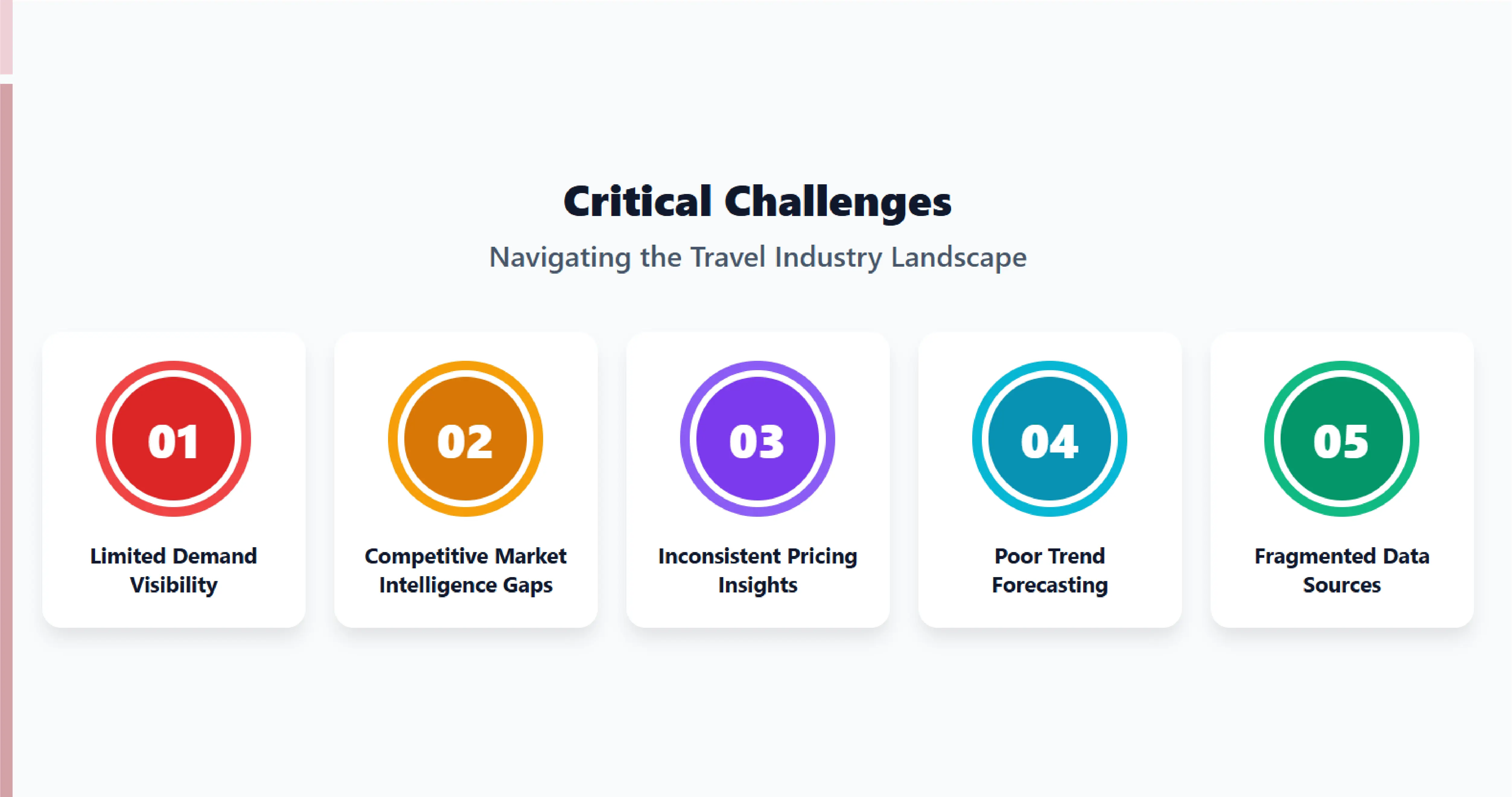
The client faced increasing challenges in understanding evolving family travel preferences, competitor package strategies, and pricing dynamics within Singapore's tourism sector. Limited visibility into booking behavior and demand patterns made it difficult to optimize offerings, forecast trends, and maximize premium package revenue opportunities.
Limited Demand Visibility
The client struggled to obtain accurate family vacation package analysis Singapore data across multiple booking channels. Without clear insights into traveler preferences, package popularity, and seasonal demand shifts, creating attractive family-focused travel offerings became increasingly difficult and less effective.
Competitive Market Intelligence Gaps
Lack of comprehensive Singapore tourism market intelligence prevented the client from effectively benchmarking competitors. They had limited awareness of emerging travel trends, promotional strategies, and top-performing attractions, making it challenging to differentiate their packages in a crowded marketplace.
Inconsistent Pricing Insights
The inability to Scrape Singapore family package pricing data regularly resulted in outdated pricing knowledge. Frequent market changes, promotional discounts, and bundled package variations reduced the client's ability to maintain competitive and profitable pricing structures.
Poor Trend Forecasting
Limited access to Booking Trend Insights restricted the client’s forecasting capabilities. They struggled to anticipate peak booking periods, shifting traveler interests, and demand fluctuations, impacting inventory planning and revenue optimization efforts.
Fragmented Data Sources
Managing multiple disconnected datasets reduced the effectiveness of Travel Data Intelligence initiatives. Information from booking platforms, attractions, accommodations, and tour providers remained scattered, creating challenges in generating unified, actionable business insights.
Our Approach
Multi-Source Data Collection
We gathered travel-related information from diverse booking platforms, attraction websites, package providers, and accommodation sources. This ensured broad market coverage, enabling the client to access comprehensive and consistent information for evaluating traveler preferences, package performance, and market opportunities.
Data Standardization Framework
Raw information collected from multiple sources was cleaned, validated, and standardized into a unified format. This process eliminated inconsistencies, reduced duplication, and improved data quality, allowing stakeholders to make informed decisions using accurate and structured business intelligence.
Traveler Behavior Segmentation
We analyzed booking patterns, trip durations, family sizes, spending ranges, and activity preferences. Segmenting travelers into meaningful groups helped uncover valuable customer insights, enabling the creation of targeted offerings that better matched audience expectations and purchasing behaviors.
Dynamic Market Monitoring
Our team established continuous monitoring mechanisms to track package updates, attraction popularity, pricing shifts, and promotional activities. This approach provided timely visibility into changing market conditions, helping the client respond quickly to trends and maintain competitive positioning.
Actionable Analytics Delivery
Instead of providing raw datasets alone, we transformed collected information into meaningful dashboards, reports, and visual insights. This allowed decision-makers to identify growth opportunities, optimize package strategies, improve customer experiences, and drive stronger business outcomes efficiently.
Results Achieved
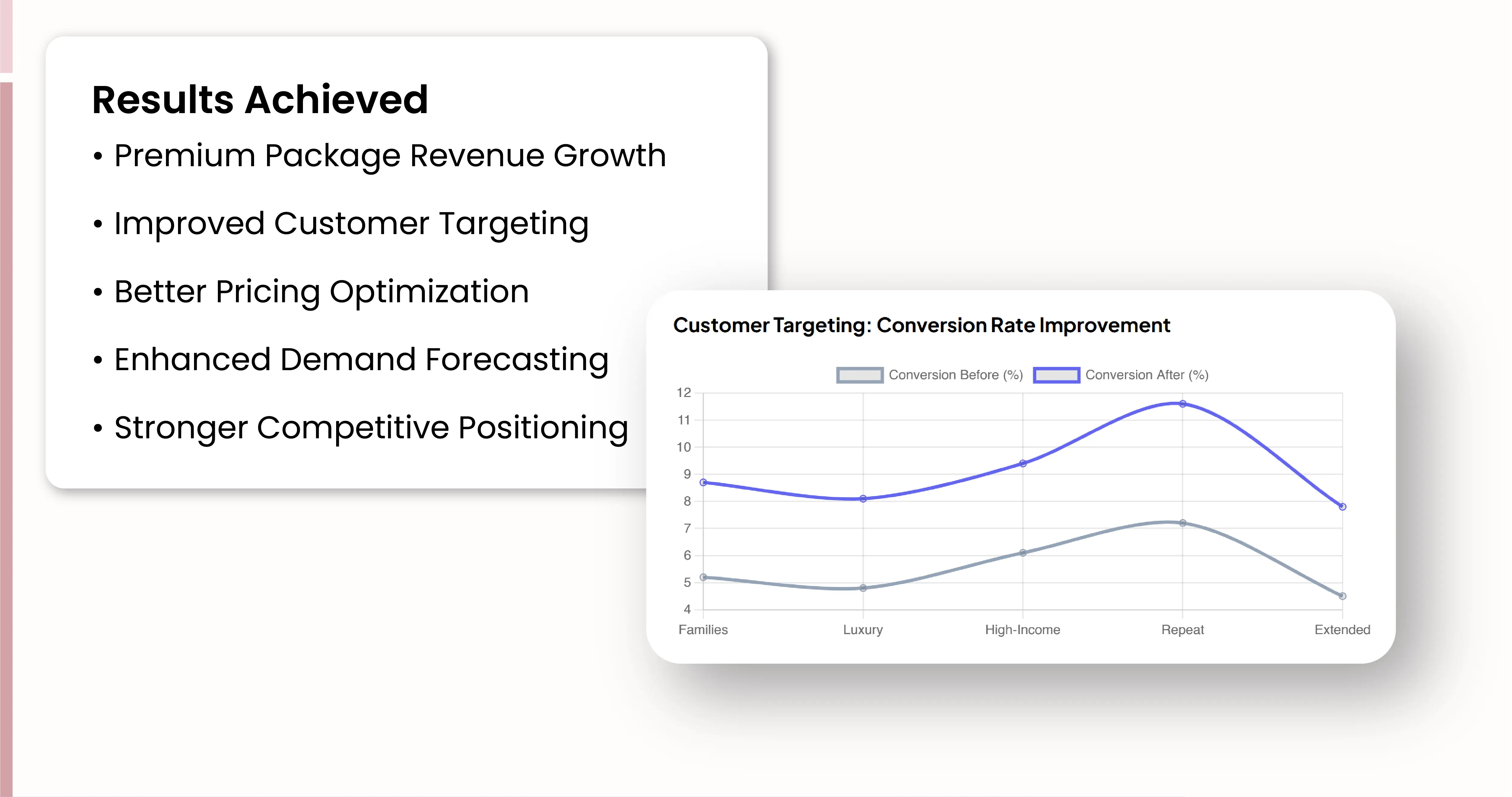
Using Tour & Travel Package Data Intelligence, the client transformed fragmented tourism information into measurable business growth and market leadership.
Premium Package Revenue Growth
By identifying the most popular attractions, accommodations, and bundled experiences, the client launched premium family travel packages exceeding ₹5 lakh in value. These optimized offerings attracted higher-spending travelers and significantly increased average booking values and overall revenue performance.
Improved Customer Targeting
Detailed traveler segmentation enabled the client to personalize marketing campaigns based on family size, travel preferences, spending patterns, and booking behaviors. This improved audience engagement, increased conversion rates, and reduced customer acquisition costs across multiple marketing channels.
Better Pricing Optimization
Continuous monitoring of package pricing and promotional trends helped the client refine pricing strategies. This improved competitiveness while protecting profit margins, ensuring packages remained attractive to customers without sacrificing long-term business profitability and sustainability.
Enhanced Demand Forecasting
Access to historical and real-time booking patterns improved forecasting accuracy. The client successfully anticipated peak travel periods, adjusted inventory allocations, and optimized package availability, resulting in better operational efficiency and stronger customer satisfaction outcomes.
Stronger Competitive Positioning
Market-wide visibility enabled the client to identify emerging opportunities before competitors. Faster decision-making, data-driven product development, and continuous performance tracking strengthened their position in the family tourism segment and improved long-term market share growth.
| Package Category | Attraction Bundle | Average Package Value (₹) | Monthly Bookings | Conversion Rate (%) | Family Size Avg. | Stay Duration (Days) | Revenue Contribution (%) |
|---|---|---|---|---|---|---|---|
| Luxury Family Explorer | Universal Studios + Sentosa + Cruise | 5,45,000 | 148 | 8.7 | 4.2 | 6 | 18.4 |
| Premium Adventure Package | Adventure Cove + Night Safari | 4,95,000 | 132 | 7.9 | 4.0 | 5 | 14.8 |
| Wildlife Discovery Tour | Zoo + River Wonders + Bird Paradise | 4,35,000 | 176 | 9.4 | 4.5 | 5 | 16.2 |
| Luxury City Experience | Marina Bay + Gardens by the Bay | 5,20,000 | 121 | 8.2 | 3.9 | 4 | 12.6 |
| Family Entertainment Bundle | Theme Parks + Indoor Attractions | 4,75,000 | 167 | 9.1 | 4.3 | 5 | 15.7 |
| Premium Multi-Attraction Pass | 8 Attraction Access Package | 5,80,000 | 94 | 7.4 | 4.6 | 7 | 11.9 |
| Festival Season Package | Events + Attractions + Luxury Stay | 6,15,000 | 78 | 6.8 | 4.1 | 6 | 10.4 |
| Customized Family Luxury Tour | Tailor-Made Premium Experiences | 7,25,000 | 52 | 5.9 | 4.8 | 8 |
Client’s Testimonial
"Working with this team transformed the way we understand and market family travel experiences in Singapore. Their data collection, analysis, and reporting capabilities provided us with clear visibility into traveler preferences, booking patterns, attraction demand, and pricing opportunities. The insights helped us design premium family packages that significantly increased booking values and customer engagement. We were especially impressed by the accuracy, consistency, and actionable nature of the intelligence delivered. Their expertise enabled faster decision-making, improved forecasting, and stronger competitive positioning in a highly dynamic tourism market. The partnership has generated measurable business growth and continues to support our expansion strategy."
Conclusion
This case study demonstrates how data-driven tourism intelligence can help travel companies uncover high-value opportunities, understand customer preferences, and develop premium family-focused travel offerings. By leveraging Travel Aggregators Data Scraping Services, the client gained access to comprehensive booking, pricing, and attraction performance data across multiple channels. Through Travel Industry Web Scraping Services, they identified emerging trends, optimized package structures, and improved competitive positioning within Singapore’s tourism market. Additionally, Travel Mobile App Scraping Service capabilities provided real-time visibility into traveler behavior, promotional activities, and demand fluctuations. The resulting insights enabled the creation of luxury family packages exceeding ₹5 lakh in value, improved forecasting accuracy, and strengthened customer engagement. Ultimately, the project transformed fragmented tourism data into actionable business intelligence, driving sustainable revenue growth, operational efficiency, and long-term market success.
FAQs
Unlock the Full Report
Enter your details to access premium pricing intelligence insights