Destination Intelligence: Unlocking Data-Driven Tourism Growth and Traveler Insights
Introduction
The global tourism industry is increasingly relying on Destination Intelligence to understand traveler behavior, identify emerging opportunities, and optimize destination management strategies. With the rapid growth of digital travel platforms, location-based services, booking portals, social media interactions, and review websites, tourism stakeholders now have access to unprecedented volumes of travel-related information. This data enables governments, tourism boards, hotel operators, airlines, and investors to make informed decisions regarding marketing, infrastructure development, and visitor engagement.
Modern tourism analytics leverages the Top Travel Destinations Dataset to evaluate destination popularity, visitor demographics, spending patterns, accommodation preferences, and seasonal fluctuations. These datasets provide a comprehensive view of traveler movements and help identify regions with strong tourism growth potential.
Furthermore, organizations are increasingly adopting top tourist area analytics using travel data to understand visitor density, attraction performance, mobility trends, and local economic impacts. By integrating multiple data sources, tourism stakeholders can create more personalized travel experiences while maximizing destination competitiveness.
The evolution of Travel Data Intelligence has enabled real-time monitoring of tourism markets. Advanced analytics platforms collect and process travel-related information from booking websites, review platforms, transportation networks, and local business directories to generate actionable insights for destination planning and marketing.
The Growing Importance of Data-Driven Tourism
Tourism contributes significantly to economic development worldwide. However, changing traveler preferences, economic conditions, and global events require destinations to continuously adapt their strategies.
Destination intelligence systems help answer critical questions:
- Which destinations are gaining popularity?
- What traveler segments are driving growth?
- How do visitors perceive local attractions?
- Which periods experience peak demand?
- What infrastructure investments are required?
By analyzing travel datasets, organizations can identify emerging tourism hotspots, optimize promotional campaigns, and allocate resources more effectively.
Key Components of Destination Intelligence
Destination intelligence integrates multiple analytical dimensions:
Visitor Behavior Analysis: Tracking traveler journeys helps organizations understand how tourists discover destinations, plan trips, and engage with attractions. Insights into traveler preferences support targeted marketing and service improvements.
Market Demand Forecasting: Historical booking patterns and search trends enable accurate demand forecasting, helping tourism businesses prepare for seasonal fluctuations.
Location Performance Monitoring: Destinations can evaluate visitor traffic, attraction popularity, hotel occupancy, and local spending patterns to measure tourism performance.
Competitive Benchmarking: Comparing destinations against regional and international competitors helps identify strengths, weaknesses, and market opportunities.
Experience Optimization: Understanding traveler feedback enables destination managers to improve services, transportation accessibility, accommodation quality, and attraction experiences.
Global Tourism Destination Performance Dataset
| Destination | Annual Visitors (Millions) | Avg. Stay (Days) | Hotel Occupancy (%) | Tourist Spending (USD Billion) | Visitor Growth (%) |
|---|---|---|---|---|---|
| Paris | 38.0 | 4.8 | 82 | 24.5 | 8.2 |
| Bangkok | 31.5 | 5.2 | 78 | 20.8 | 9.1 |
| Dubai | 18.9 | 4.3 | 80 | 16.2 | 10.5 |
| Singapore | 17.4 | 3.9 | 79 | 15.1 | 7.8 |
| London | 30.2 | 5.1 | 81 | 23.0 | 6.4 |
| Tokyo | 21.8 | 5.6 | 77 | 18.4 | 11.2 |
| New York | 24.7 | 4.7 | 76 | 22.5 | 5.9 |
| Rome | 16.5 | 4.2 | 74 | 12.3 | 8.6 |
| Barcelona | 15.7 | 4.4 | 73 | 11.6 | 7.1 |
| Sydney | 11.9 | 5.0 | 71 | 10.2 | 6.8 |
Illustrative tourism intelligence dataset for research and analytical purposes.
Leveraging Geographic Popularity Analytics
One of the most powerful applications of destination intelligence is geo popularity intelligence for tourism destinations. Geographic analytics combines mobility data, geotagged social content, search activity, and booking behavior to identify where travelers spend their time.
These insights help tourism authorities:
- Measure attraction popularity.
- Detect overcrowding risks.
- Develop alternative visitor routes.
- Promote lesser-known attractions.
- Improve transportation planning.
Location intelligence also supports smart tourism initiatives by identifying visitor movement patterns across cities, regions, and countries.
Role of Review and Sentiment Monitoring
Online reviews have become a major influence on travel decisions. Tourists frequently consult ratings, comments, and recommendations before selecting destinations, accommodations, and activities.
Through tourism review trend sentiment analytics, organizations can identify recurring traveler concerns, satisfaction drivers, and emerging trends. Positive sentiment often correlates with increased visitation and stronger destination branding, while negative sentiment highlights areas requiring improvement.
Review analytics can assess:
- Accommodation quality
- Restaurant experiences
- Transportation convenience
- Attraction satisfaction
- Safety perceptions
- Customer service standards
This continuous feedback loop helps destinations maintain competitiveness in increasingly crowded tourism markets.
Data Collection Technologies Supporting Tourism Analytics
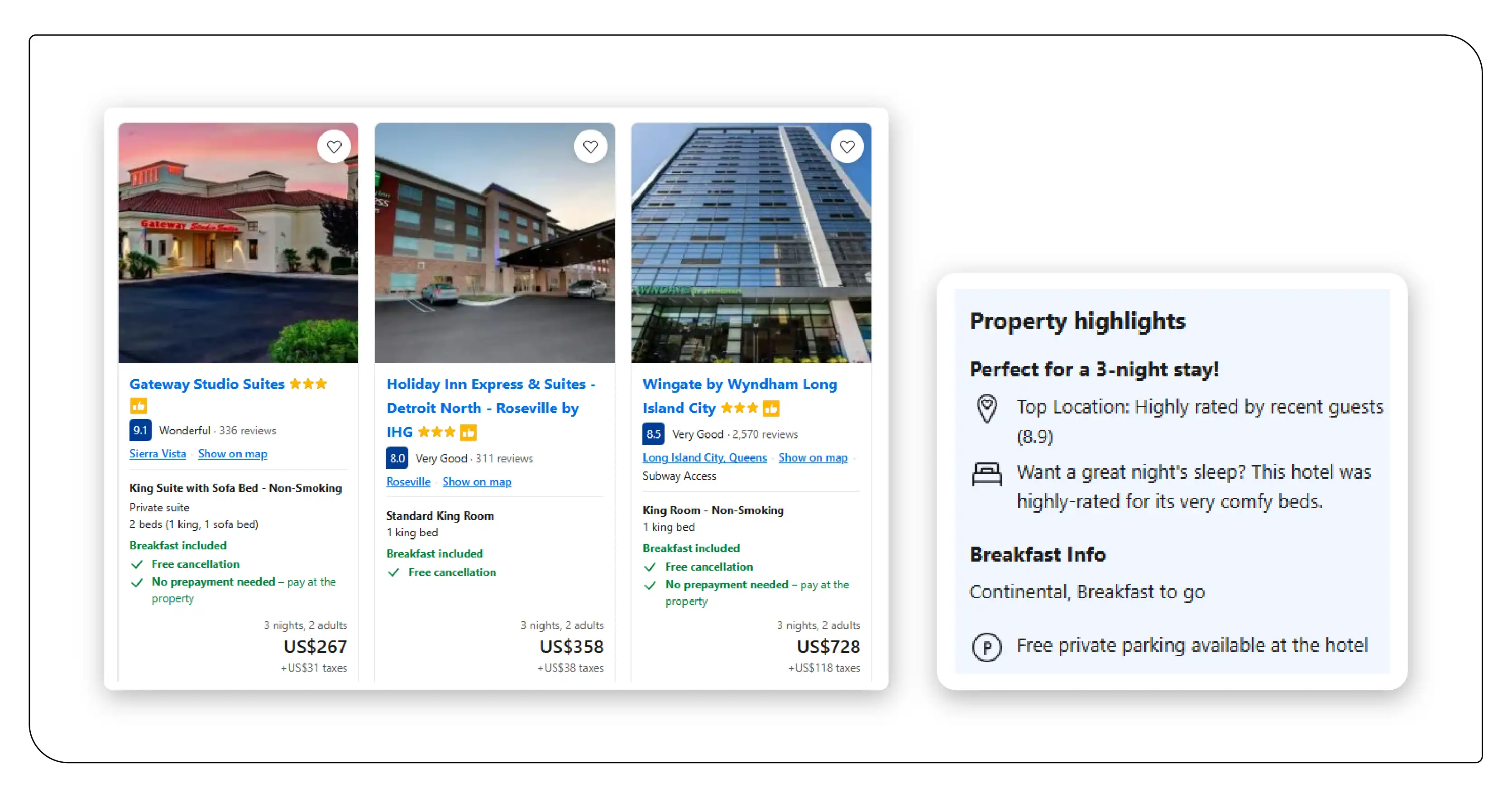
Modern tourism intelligence relies on sophisticated data acquisition technologies. One of the primary solutions is the Travel Scraping API, which enables automated collection of publicly available travel information from booking platforms, review websites, transportation portals, and destination directories.
Data sources commonly include:
- Hotel booking platforms
- Airline reservation systems
- Vacation rental marketplaces
- Tourism review websites
- Event listing portals
- Local business directories
- Social media platforms
By integrating these sources, organizations can build comprehensive tourism intelligence ecosystems that support strategic planning and operational decision-making.
Understanding Seasonal Tourism Patterns
Tourism demand fluctuates significantly throughout the year. Weather conditions, holidays, school schedules, festivals, and economic factors influence travel behavior.
Advanced analytics enables travel booking trend scrape for seasonal tourism initiatives that identify booking cycles, demand peaks, and market opportunities before they occur.
Benefits of Seasonal Trend Monitoring
- Improved staffing allocation
- Better inventory management
- Optimized pricing strategies
- Enhanced marketing timing
- Stronger revenue forecasting
Organizations increasingly rely on Seasonal Trend Analysis to anticipate visitor demand and maximize destination performance during peak and off-peak periods.
Seasonal Tourism Demand Intelligence Dataset
| Season | Average Booking Growth (%) | Search Volume Index | Hotel Demand Score | Attraction Visits (Millions) | Revenue Impact (%) |
|---|---|---|---|---|---|
| Winter | 8.5 | 72 | 68 | 95 | 6.4 |
| Spring | 14.2 | 85 | 79 | 122 | 11.8 |
| Summer | 26.8 | 100 | 95 | 188 | 24.5 |
| Autumn | 11.7 | 81 | 74 | 118 | 9.7 |
| Holiday Period | 31.5 | 112 | 98 | 205 | 28.3 |
| Festival Season | 22.4 | 96 | 90 | 170 | 20.1 |
| Long Weekends | 18.6 | 88 | 84 | 141 | 15.2 |
| School Vacations | 24.9 | 103 | 93 | 184 | 23.0 |
Illustrative seasonal tourism intelligence dataset for research purposes.
Business Ecosystem Intelligence for Destinations
Successful tourism destinations depend on thriving local business ecosystems. Hotels, restaurants, retail outlets, transportation providers, entertainment venues, and tour operators collectively shape visitor experiences.
Using local business concentration analytics for tourism markets, stakeholders can evaluate:
- Hospitality density
- Restaurant availability
- Transportation accessibility
- Entertainment diversity
- Retail infrastructure
- Service coverage gaps
Business concentration insights help investors identify expansion opportunities while enabling destination managers to support balanced tourism development.
Emerging Applications of Destination Intelligence
Destination intelligence continues to evolve through advancements in artificial intelligence, machine learning, and predictive analytics.
Key emerging applications include:
Predictive Visitor Forecasting: Machine learning models estimate future visitor demand using historical travel patterns, weather conditions, and economic indicators.
Smart Destination Management: Real-time monitoring systems optimize crowd management, transportation services, and attraction capacity.
Personalized Tourism Marketing: Advanced traveler segmentation enables highly targeted destination campaigns based on interests, demographics, and behavioral patterns.
Sustainable Tourism Planning: Data-driven insights support environmental conservation efforts by monitoring visitor impacts and identifying sustainable growth opportunities.
Conclusion
Destination intelligence has become an essential component of modern tourism strategy. By integrating travel bookings, mobility patterns, review data, business listings, and geographic analytics, destinations can gain comprehensive visibility into traveler behavior and market dynamics.
Advanced analytics now enables hidden travel destination discovery using data scraping, helping tourism boards identify emerging locations before they reach mainstream popularity. These insights create opportunities for balanced tourism growth and regional economic development.
Organizations are also increasingly leveraging traveler sentiment analytics using review and social data to understand visitor perceptions and improve overall travel experiences. Such intelligence supports more responsive destination management and stronger customer satisfaction outcomes.
The growing adoption of Sentiment Analysis alongside predictive forecasting, seasonal demand monitoring, and location intelligence is reshaping how destinations compete in the global tourism marketplace. As travel data ecosystems continue to expand, destination intelligence will remain a critical driver of innovation, sustainability, and long-term tourism success.
Ready to elevate your travel business with cutting-edge data insights? Scrape Aggregated Flight Fares to identify competitive rates and optimize your revenue strategies efficiently. Discover emerging opportunities with tools to Extract Travel Website Data, leveraging comprehensive data to forecast market shifts and enhance your service offerings. Real-Time Travel App Data Scraping Services helps stay ahead of competitors, gaining instant insights into bookings, promotions, and customer behavior across multiple platforms. Get in touch with Travel Scrape today to explore how our end-to-end data solutions can uncover new revenue streams, enhance your offerings, and strengthen your competitive edge in the travel market.
Unlock the Full Report
Enter your details to access premium pricing intelligence insights