Web Scraping Nordic Region Data: Analyzing NATO Integration and Green Transition Trends Across Denmark, Sweden, Norway, Finland, and Iceland
Introduction
The Nordic region has become one of the world’s most strategically important economic and geopolitical zones. Growing defense modernization, renewable energy investments, Arctic security concerns, rare earth exploration, and sustainable infrastructure projects are transforming Denmark, Sweden, Norway, Finland, and Iceland into powerful hubs of innovation and policy evolution. Businesses, researchers, analysts, and policymakers increasingly depend on Web Scraping Nordic Region Data to monitor these rapidly changing developments across multiple industries and government ecosystems.
At the same time, organizations are leveraging Travel Data Intelligence to analyze tourism flows, transportation shifts, hospitality growth, regional mobility patterns, and evolving traveler preferences throughout Northern Europe. Tourism recovery, climate-conscious travel, and defense-linked infrastructure expansion are generating valuable digital footprints that can be captured through modern web scraping technologies.
Another major factor influencing Nordic economies is NATO and green economy trend analytics across Nordic countries. Sweden and Finland’s NATO integration, Arctic defense activities in Norway, renewable energy transitions in Denmark, and geothermal sustainability in Iceland have collectively increased demand for reliable real-time intelligence. Advanced data extraction solutions now allow enterprises to monitor procurement announcements, sustainability investments, energy transitions, logistics networks, infrastructure planning, and government policy updates from diverse online sources.
The Rising Importance of Nordic Data Intelligence
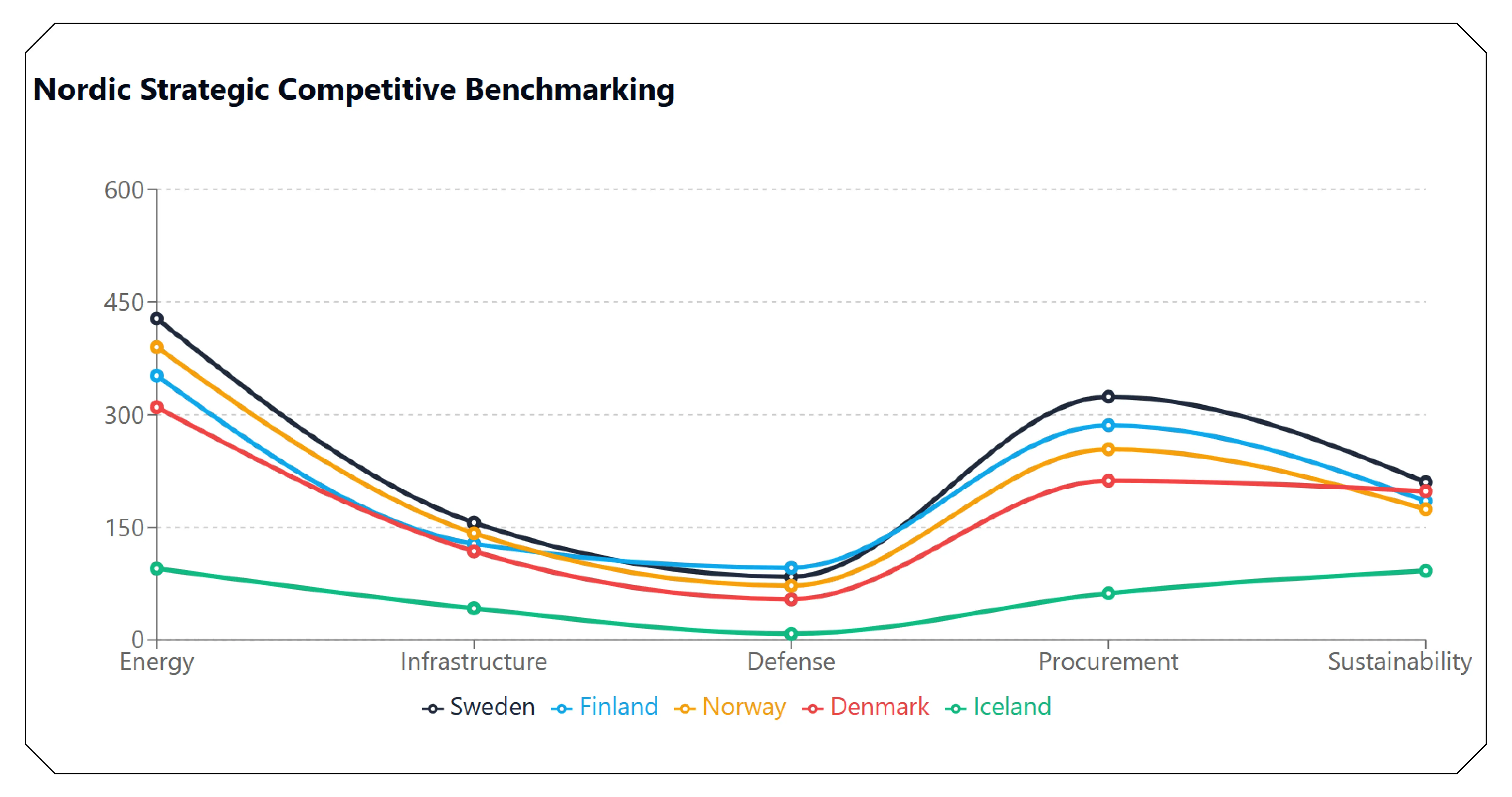
The Nordic region has traditionally been recognized for innovation, transparency, sustainability, and technological advancement. However, recent geopolitical developments have significantly accelerated digital monitoring requirements across industries. NATO expansion, defense spending increases, energy diversification, and sustainable industrial transformation have created massive opportunities for organizations that can collect and interpret structured web data effectively.
Businesses are increasingly interested in tracking energy projects, transportation modernization, supply chain resilience, public procurement portals, environmental regulations, tourism recovery indicators, and infrastructure investments. Web scraping enables organizations to gather these datasets automatically from thousands of online sources, including government portals, travel platforms, industry databases, media channels, research institutions, and public infrastructure repositories.
Modern data intelligence systems help organizations uncover trends that may otherwise remain hidden within fragmented digital ecosystems. These insights support strategic planning, investment forecasting, competitive benchmarking, market expansion, and operational optimization.
NATO Integration and Its Impact on Nordic Data Trends
The expansion of NATO influence in Northern Europe has significantly reshaped digital intelligence requirements across the region. Finland and Sweden joining NATO has increased infrastructure investments, military logistics planning, cybersecurity initiatives, transportation modernization, and cross-border defense cooperation.
As defense collaboration expands, governments and enterprises require continuous monitoring of procurement contracts, transportation corridors, aerospace developments, Arctic security initiatives, and infrastructure expansion projects. This growing complexity has increased the adoption of Custom Scraping Pipelines capable of collecting data from multiple dynamic platforms while maintaining accuracy and scalability.
Defense-related web intelligence also supports supply chain analysis, contractor mapping, equipment procurement monitoring, and strategic infrastructure tracking. By scraping public tenders, logistics announcements, regulatory updates, and policy documents, organizations gain a comprehensive understanding of regional defense transformation.
Digital intelligence teams now combine web scraping with machine learning models, geospatial analytics, and predictive forecasting tools to analyze evolving NATO-related developments throughout Northern Europe.
Denmark’s Leadership in Sustainability and Defense Transformation
Denmark continues to position itself as a leader in renewable energy development and sustainable economic transformation. Offshore wind investments, green shipping initiatives, carbon-neutral infrastructure projects, and defense modernization efforts are generating enormous quantities of digital data.
Organizations increasingly rely on Nordic NATO infrastructure and defense Scraping to monitor Denmark’s expanding role in European defense coordination and regional infrastructure planning. Public procurement platforms, transportation networks, naval modernization projects, and military logistics systems provide valuable datasets for intelligence-driven decision-making.
Additionally, businesses seeking renewable energy intelligence are adopting Denmark green transition and NATO analytics solutions to track energy investments, sustainability partnerships, climate policy developments, and defense infrastructure expansions simultaneously.
The convergence of sustainability and security priorities has created a unique data ecosystem in Denmark. Analysts can now examine how green energy policies intersect with maritime defense strategies, transportation modernization, and critical infrastructure resilience.
Sweden’s Rare Earth Opportunities and Green Transformation
Sweden has emerged as a critical player in Europe’s green industrial transition. Large-scale investments in battery manufacturing, rare earth exploration, electric transportation, and sustainable mining have positioned the country as an important resource hub for future energy systems.
The increasing strategic importance of mineral supply chains has accelerated demand for Sweden rare earth and green transition intelligence. Organizations are monitoring mining licenses, industrial investments, environmental regulations, supply chain networks, and export developments through advanced web scraping frameworks.
Sweden’s NATO integration further amplifies the importance of digital intelligence. Defense infrastructure projects, Arctic transportation corridors, cybersecurity initiatives, and industrial modernization programs generate extensive online data streams that require automated extraction and continuous analysis.
Companies operating within automotive, clean technology, renewable energy, and advanced manufacturing sectors depend heavily on structured Nordic datasets to assess opportunities, risks, pricing fluctuations, and supply chain vulnerabilities.
Norway’s Arctic Security and Sustainability Landscape
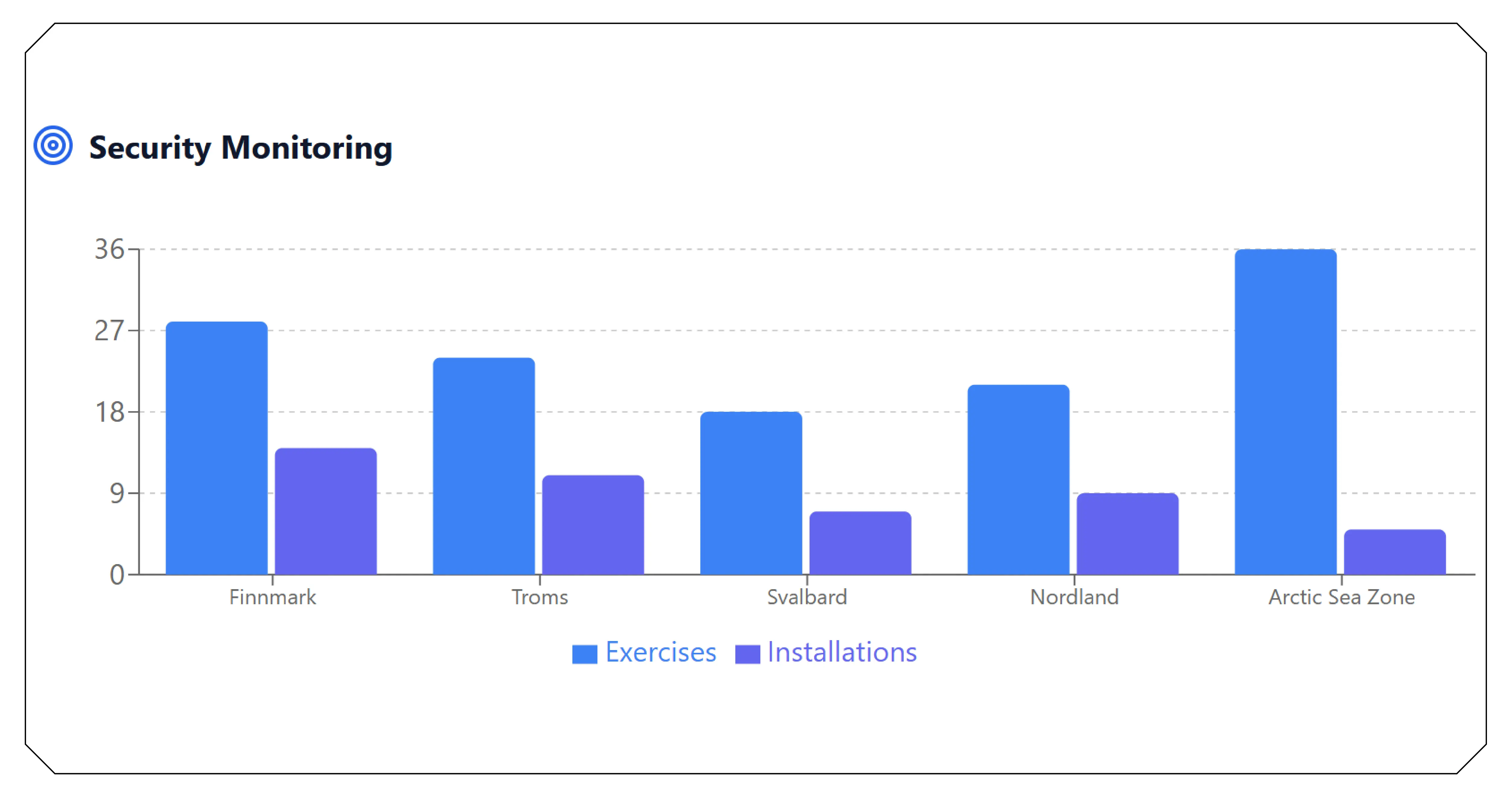
Norway occupies a uniquely strategic position due to its Arctic geography, energy exports, maritime dominance, and environmental leadership. The country’s growing role in Arctic defense coordination and sustainable energy transition has intensified interest in regional data monitoring.
Organizations increasingly utilize Norway Arctic security and sustainability analytics to examine shipping routes, Arctic infrastructure projects, defense operations, offshore energy developments, fisheries management, and environmental sustainability programs.
Norway’s oil and gas sector continues evolving alongside renewable energy investments, hydrogen development, and carbon capture initiatives. As a result, businesses require continuous access to real-time data regarding energy production, environmental compliance, maritime operations, and geopolitical developments.
Web scraping technologies help intelligence teams gather information from shipping registries, Arctic research portals, government procurement platforms, environmental monitoring systems, and infrastructure databases. These insights support energy forecasting, logistics planning, geopolitical risk assessment, and sustainability benchmarking.
Finland’s Strategic NATO Integration and Economic Transformation
Finland’s accession to NATO has dramatically increased global attention toward the country’s transportation systems, cybersecurity initiatives, defense modernization, and green economic development. Infrastructure investments across railways, energy grids, border security, and digital defense systems are generating vast quantities of publicly accessible information.
Advanced web scraping systems help organizations monitor industrial modernization, renewable energy expansion, logistics corridors, smart city initiatives, and defense procurement programs. Analysts can track supply chain shifts, infrastructure timelines, regional investments, and government partnerships through automated data extraction pipelines.
Finland also plays an essential role in Europe’s clean technology ecosystem. Green manufacturing projects, circular economy programs, and sustainable infrastructure developments are increasingly influencing Nordic investment patterns and regional competitiveness.
Organizations leveraging Nordic data intelligence gain the ability to anticipate policy changes, monitor emerging industries, and identify evolving economic opportunities across Finland’s rapidly changing landscape.
Iceland’s Renewable Energy Intelligence Ecosystem
Iceland has established itself as a global model for renewable energy utilization and sustainable environmental management. Geothermal power generation, clean tourism initiatives, and sustainable infrastructure planning have created extensive opportunities for digital intelligence collection.
The country’s growing tourism sector, renewable energy ecosystem, and Arctic relevance generate valuable online datasets related to transportation, hospitality, environmental monitoring, and infrastructure planning. Businesses and research institutions increasingly rely on web scraping technologies to analyze tourism flows, sustainability initiatives, accommodation pricing, geothermal investments, and climate adaptation strategies.
Iceland’s data ecosystem demonstrates how environmental sustainability and digital intelligence can intersect to support strategic business decision-making. Real-time access to renewable energy metrics, tourism indicators, and infrastructure development data enables organizations to identify emerging opportunities within rapidly evolving markets.
The Role of AI and Automation in Nordic Web Scraping
Artificial intelligence has significantly enhanced the efficiency and scalability of modern web scraping systems. Traditional extraction methods often struggled with dynamic websites, multilingual datasets, anti-bot protections, and rapidly changing online structures.
Today’s AI-powered scraping systems can automatically identify relevant content, classify datasets, clean unstructured information, and generate predictive insights. Automation allows organizations to monitor thousands of Nordic data sources simultaneously while reducing operational costs and improving accuracy.
Companies increasingly deploy intelligent scraping architectures that combine API integrations, browser automation, machine learning, and cloud infrastructure. These systems support continuous data collection across transportation networks, sustainability platforms, procurement databases, logistics systems, tourism portals, and defense-related repositories.
Organizations also invest in Custom Travel Data Solutions that integrate tourism analytics, transportation intelligence, accommodation pricing data, mobility tracking, and traveler behavior analysis into unified business intelligence dashboards.
Future Opportunities in Nordic Data Intelligence
The Nordic region is expected to remain a major center for sustainability innovation, geopolitical cooperation, renewable energy investment, and Arctic infrastructure development throughout the coming decade. As digital ecosystems expand, demand for scalable web scraping and analytics solutions will continue increasing.
Emerging sectors such as hydrogen energy, electric mobility, green shipping, smart logistics, Arctic transportation, cybersecurity, and climate technology will generate enormous quantities of online data. Businesses capable of collecting and analyzing these datasets efficiently will gain substantial competitive advantages.
Web scraping technologies will also become increasingly important for predictive forecasting, market intelligence, supply chain monitoring, sustainability reporting, and geopolitical risk analysis. Organizations that adopt automated data intelligence systems early will be better positioned to navigate complex regional transformations.
How Travel Scrape Can Help You?
Real-Time Monitoring
Our scraping services continuously monitor Nordic defense, tourism, renewable energy, and infrastructure platforms, delivering accurate intelligence for strategic decisions daily.
Market Trend Analysis
We extract structured Nordic market datasets, helping businesses identify sustainability investments, geopolitical shifts, transportation developments, and emerging industry opportunities rapidly.
Travel Intelligence Support
Our solutions collect tourism, mobility, accommodation, and transportation data, enabling organizations to improve forecasting, customer targeting, and regional expansion planning.
Defense Infrastructure Insights
We gather NATO-related procurement, logistics, cybersecurity, and infrastructure information across Nordic countries, supporting advanced defense intelligence and risk assessment operations.
Scalable Data Automation
Our automated scraping systems deliver clean, scalable, multilingual datasets from complex Nordic digital sources while reducing operational costs significantly.
Conclusion
The Nordic region represents one of the world’s most dynamic intersections of sustainability, defense modernization, renewable energy development, and digital transformation. Governments, enterprises, investors, and researchers increasingly depend on automated data intelligence systems to monitor evolving trends across Denmark, Sweden, Norway, Finland, and Iceland.
Advanced web scraping technologies now enable organizations to track defense procurement, Arctic infrastructure, renewable energy projects, tourism shifts, logistics modernization, and sustainability investments with exceptional accuracy and scale. Businesses leveraging these insights can improve strategic planning, enhance forecasting capabilities, and identify emerging market opportunities more effectively.
As organizations continue to Scrape Finland NATO integration and green economy developments, they will uncover valuable intelligence regarding regional infrastructure expansion, cybersecurity growth, and sustainable industrial transformation. Similarly, Iceland geothermal energy trend data Scraping provides crucial visibility into renewable energy investments, tourism evolution, and environmental sustainability initiatives.
The integration of AI-driven analytics, cloud infrastructure, and Real-Time Data API capabilities will further accelerate the evolution of Nordic intelligence ecosystems, empowering organizations to make faster, smarter, and more data-driven decisions in an increasingly interconnected world.
Ready to elevate your travel business with cutting-edge data insights? Scrape Aggregated Flight Fares to identify competitive rates and optimize your revenue strategies efficiently. Discover emerging opportunities with tools to Extract Travel Website Data, leveraging comprehensive data to forecast market shifts and enhance your service offerings. Real-Time Travel App Data Scraping Services helps stay ahead of competitors, gaining instant insights into bookings, promotions, and customer behavior across multiple platforms. Get in touch with Travel Scrape today to explore how our end-to-end data solutions can uncover new revenue streams, enhance your offerings, and strengthen your competitive edge in the travel market.
Unlock the Full Report
Enter your details to access premium pricing intelligence insights