Scrape Fare Differences After Spirit Airlines Collapse: A Data-Driven Analysis of Route Repricing Across OTAs
Introduction
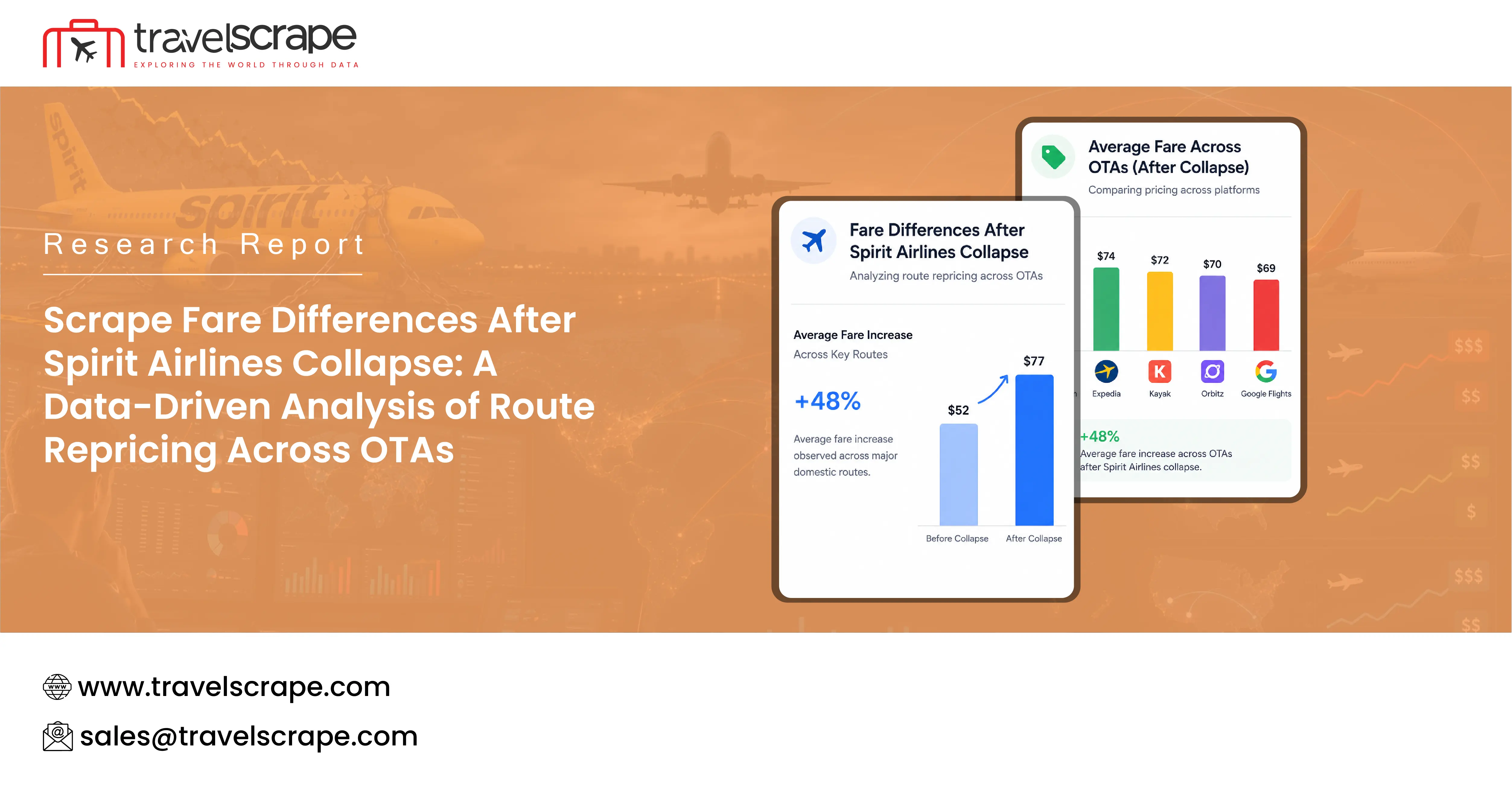
The airline industry has experienced major pricing changes after the decline and operational disruption of Spirit Airlines, one of the most recognized ultra-low-cost carriers in the United States. The airline previously played a significant role in keeping domestic airfare competitive by offering highly discounted fares on leisure and high-demand routes. After its reduced market presence, travel companies and analysts started to Scrape Fare differences after Spirit Airlines collapse to understand how ticket prices changed across airlines, booking platforms, and consumer channels.
With growing demand for transparent airfare monitoring, businesses now depend on Airline Data Scraping technologies to collect flight pricing information, availability data, route details, and fare conditions. These insights help identify pricing movements, competitor strategies, and consumer behavior shifts. Travel platforms are also using advanced systems to Scrape fare differences after Spirit Airlines collapse OTA platforms and compare how fares vary across different online travel agencies.
The disappearance of a strong low-cost competitor created a unique environment where supply reductions, changing demand patterns, and airline revenue management strategies directly influenced ticket prices. This research report examines how Spirit Airlines' market changes affected airfare trends, OTA pricing behavior, and the future of airline data intelligence.
Changing Airline Competition After Spirit Market Reduction
Spirit Airlines historically operated with an ultra-low-cost business model focused on affordable base fares and additional service fees. Its presence forced larger carriers and competing low-cost airlines to maintain competitive pricing, especially on routes with strong leisure demand.
When a low-cost carrier reduces operations, the overall seat supply decreases. Airlines that remain on those routes gain more control over pricing decisions because fewer competitors are available to challenge higher fares.
The major pricing impacts include:
- Reduced availability of budget fare classes
- Higher average ticket prices during peak periods
- Faster movement of discounted inventory
- Increased differences between booking platforms
Airfare markets are highly sensitive to capacity changes. Even a moderate reduction in available seats can create noticeable price increases when demand remains stable.
How OTA Platforms Detect Fare Changes?
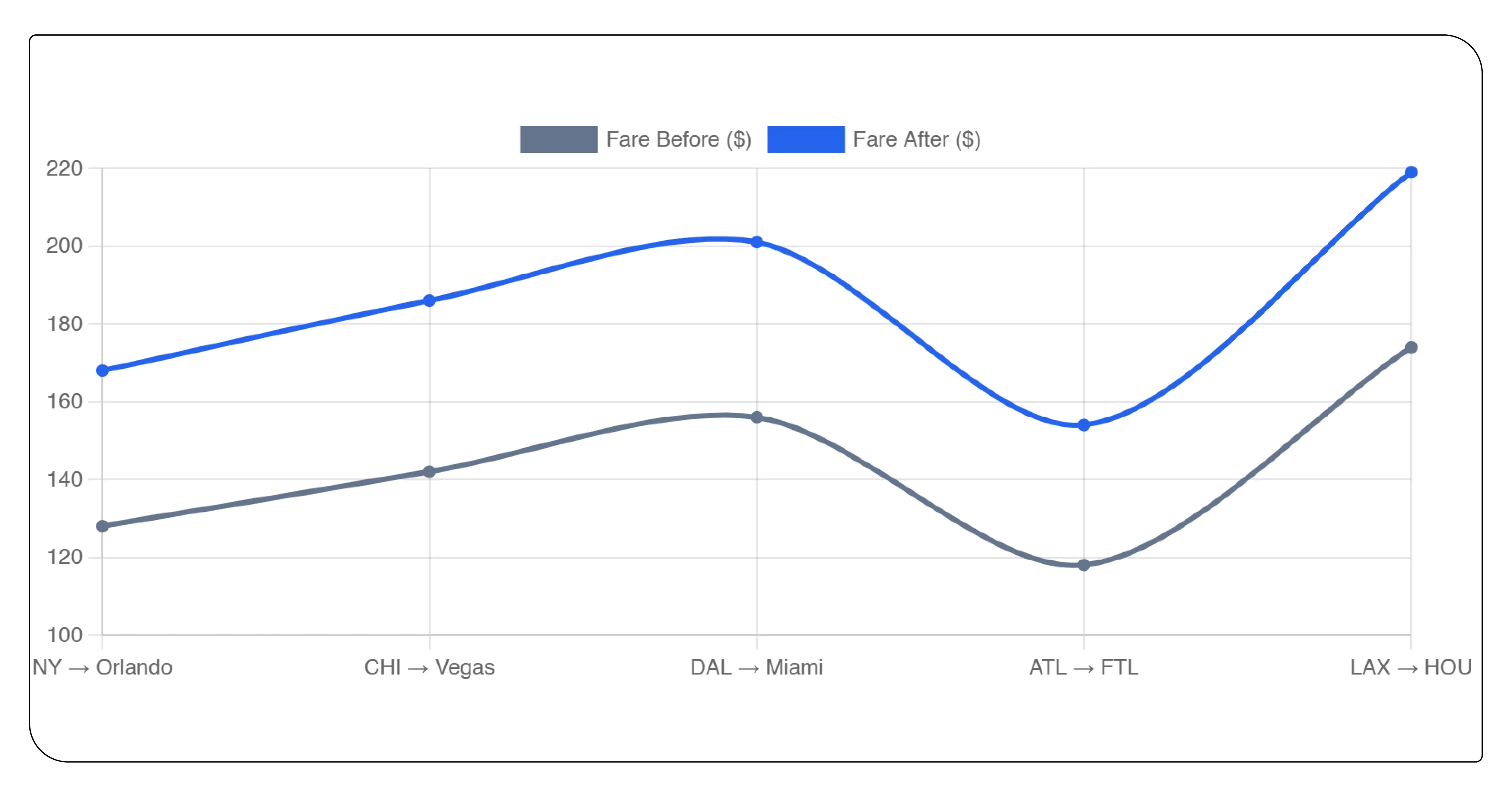
Online travel agencies collect flight information from multiple airlines and suppliers. They compare routes, schedules, prices, and availability to present travelers with booking options.
After Spirit's reduced competition, OTA platforms became important sources for tracking airfare changes. Companies using OTA Price Intelligence solutions analyze millions of fare records to identify pricing trends, market gaps, and route-specific changes.
OTA monitoring helps businesses understand:
- Which routes experienced the highest fare increases
- Which airlines captured displaced passengers
- How frequently prices changed
- Where consumers could still find affordable alternatives
These insights are useful for airlines, travel agencies, and consumers looking for better booking strategies.
Fare Changes Across Major Routes
Spirit Airlines operated many routes connecting major cities with vacation destinations. These routes often experienced stronger competition because multiple carriers competed for price-sensitive travelers.
After Spirit's market reduction, several routes experienced significant fare adjustments. The following table represents a sample analysis of average airfare changes observed across selected routes.
| Route | Average Fare Before Spirit Reduction (USD) | Average Fare After Spirit Reduction (USD) | Fare Change (%) | Monthly Search Volume | Main Competing Airlines |
|---|---|---|---|---|---|
| Orlando – Newark | 95 | 142 | 49.5% | 385,000 | United, JetBlue |
| Fort Lauderdale – Atlanta | 88 | 127 | 44.3% | 410,000 | Delta, Southwest |
| Tampa – New York | 110 | 165 | 50.0% | 360,000 | Delta, JetBlue |
| Las Vegas – Los Angeles | 70 | 93 | 32.8% | 460,000 | Southwest, Alaska |
| Dallas – Orlando | 100 | 148 | 48.0% | 330,000 | American, Southwest |
| Chicago – Florida Routes | 105 | 160 | 52.3% | 295,000 | United, American |
| Detroit – Orlando | 91 | 136 | 49.4% | 248,000 | Delta, Frontier |
| Baltimore – Miami | 85 | 128 | 50.5% | 230,000 | Southwest, American |
| Houston – Las Vegas | 96 | 142 | 47.9% | 275,000 | United, Southwest |
| Philadelphia – Florida Routes | 102 | 154 | 50.9% | 290,000 | American, Frontier |
The data shows that markets previously supported by strong low-cost competition saw some of the highest fare increases.
Understanding Airline Dynamic Pricing Behavior
Airlines rely heavily on automated pricing systems that adjust fares based on demand, remaining seats, booking speed, and competitor activity. When Spirit reduced its presence, airline pricing systems detected lower competitive pressure and modified fare structures.
Modern Dynamic Pricing Intelligence tools allow airlines to evaluate real-time market conditions and optimize ticket prices. These systems analyze historical trends, customer searches, competitor fares, and seasonal demand.
The impact of dynamic pricing became more visible after Spirit's market changes because fewer low-cost options were available to regulate price competition.
Measuring Airfare Inflation After Market Exit
Understanding airfare inflation requires comparing historical fare data with current pricing patterns. Analysts examine different periods to determine whether increases are caused by airline capacity changes or other industry factors.
Research focused on Spirit Airlines collapse affected airfare pricing across OTAs scrape helps identify how travel platforms reflected changing airline economics. By comparing multiple booking channels, analysts can measure whether fare increases were consistent or varied between platforms.
The table below shows sample airfare inflation indicators across different travel categories.
| Market Category | Previous Average Fare (USD) | Current Average Fare (USD) | Increase Percentage | Price Updates Per Day | Market Volatility Level |
|---|---|---|---|---|---|
| Florida Leisure Routes | 90 | 135 | 50% | 24 | High |
| Northeast Domestic Routes | 115 | 168 | 46% | 21 | High |
| Midwest Travel Routes | 102 | 147 | 44% | 17 | Medium |
| Weekend Vacation Routes | 98 | 150 | 53% | 22 | High |
| Business Travel Routes | 145 | 190 | 31% | 15 | Medium |
| Family Travel Routes | 108 | 158 | 46% | 20 | High |
| Holiday Destination Routes | 120 | 178 | 48% | 26 | Very High |
| Short Domestic Flights | 75 | 105 | 40% | 14 | Medium |
| Popular Airport Pairs | 130 | 185 | 42% | 19 | High |
| Alternative Airport Routes | 95 | 128 | 34% | 12 | Low |
The analysis indicates that leisure-focused markets experienced the strongest pricing impact due to their dependence on affordable airline options.
Importance of Route-Level Fare Analysis
Not every market reacts equally when an airline exits or reduces capacity. Some routes continue to maintain competitive pricing because multiple airlines operate there, while others experience rapid increases due to limited alternatives.
Effective analyzing airfare inflation after Spirit Airlines shutdown enables researchers to understand long-term pricing patterns and identify markets where consumers face higher travel costs.
Similarly, route specific airfare analysis after airline market exits helps travel companies evaluate competition levels, forecast pricing movements, and improve recommendation systems.
Route-level monitoring provides deeper insights than general airfare averages because each airport pair has different demand, competition, and seasonal factors.
Role of Flight Data Collection in Airline Market Research
Travel businesses increasingly depend on large-scale data collection systems to monitor airline pricing behavior. These platforms collect information from airline websites, OTAs, and travel marketplaces.
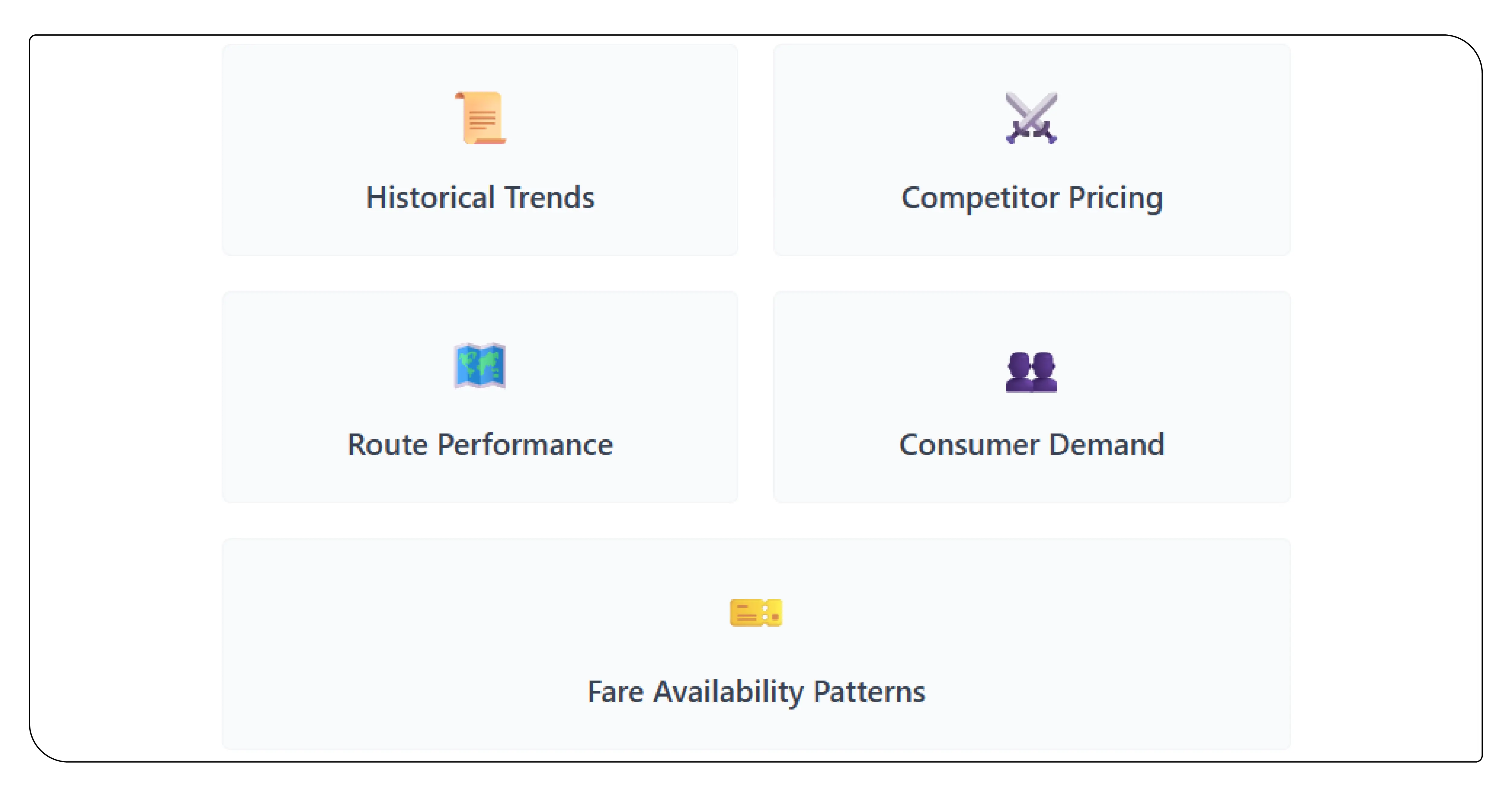
Through Flight Price Data Intelligence, companies can analyze:
- Historical airfare trends
- Competitor pricing strategies
- Route performance
- Consumer demand changes
- Fare availability patterns
This information supports better decision-making for airlines, travel agencies, and pricing analysts.
Future Outlook of Airline Pricing After Spirit Changes
The future of airfare pricing depends on how quickly competitors replace lost capacity. If existing airlines increase flights or new low-cost carriers expand operations, price competition may gradually improve.
However, routes with limited competition may continue experiencing higher fares. Travelers are likely to rely more on comparison tools, fare tracking systems, and flexible travel planning.
Airline pricing will continue becoming more data-driven as carriers and OTAs compete through faster market analysis and personalized pricing strategies.
Conclusion
The reduction of Spirit Airlines' market presence significantly changed airfare dynamics across several domestic routes. Reduced low-cost competition allowed airlines to adjust pricing strategies, leading to higher average fares and increased fare fluctuations across booking platforms.
Modern travel analytics platforms using data driven airline pricing analysis after Spirit collapse help businesses understand how airline market changes influence consumer costs and competitive positioning. Companies that scrape comparing OTA flight prices after Spirit Airlines collapse can identify fare differences, monitor market movements, and improve pricing transparency.
As airline competition continues evolving, automated monitoring solutions and Fare Fluctuation Alerts will become increasingly valuable for travelers, airlines, and travel platforms seeking real-time visibility into airfare changes.
Ready to elevate your travel business with cutting-edge data insights? Scrape Aggregated Flight Fares to identify competitive rates and optimize your revenue strategies efficiently. Discover emerging opportunities with tools to Extract Travel Website Data, leveraging comprehensive data to forecast market shifts and enhance your service offerings. Real-Time Travel App Data Scraping Services helps stay ahead of competitors, gaining instant insights into bookings, promotions, and customer behavior across multiple platforms. Get in touch with Travel Scrape today to explore how our end-to-end data solutions can uncover new revenue streams, enhance your offerings, and strengthen your competitive edge in the travel market.
Unlock the Full Report
Enter your details to access premium pricing intelligence insights