How to Scrape Car Hire Comparison Website from Scratch: What Data You Need and Which OTAs to Scrape?
Introduction
The travel industry is becoming increasingly data-driven, and car rental services are no exception. Travelers today expect instant access to vehicle availability, transparent pricing, and side-by-side comparisons across multiple providers before making a booking decision. This growing demand has fueled the rise of comparison platforms that aggregate car rental offers from numerous suppliers and online travel agencies (OTAs).
Businesses looking to build such platforms must understand how to Scrape Car Hire Comparison Website from Scratch while leveraging modern travel intelligence technologies. By integrating Car Rental Data Intelligence, companies can collect, organize, and analyze vehicle rental information from multiple sources to deliver accurate and competitive pricing insights.
The ability to Scrape OTA sources for car Hire comparison websites allows businesses to monitor rental rates, availability, vehicle categories, promotions, and supplier performance in real time. As the vehicle rental market becomes increasingly competitive, data extraction and analytics have become critical tools for growth, customer acquisition, and operational efficiency.
Why Car Hire Comparison Platforms Are Growing Rapidly?
Consumers rarely book the first rental option they see. Instead, they compare prices, vehicle types, fuel policies, insurance coverage, pickup locations, and customer ratings before making a decision.
Car hire comparison websites simplify this process by consolidating information from multiple suppliers into a single interface. Rather than visiting numerous websites individually, users can compare available options within seconds.
This convenience drives higher engagement and conversion rates while creating opportunities for travel businesses to generate revenue through affiliate partnerships, commissions, and advertising placements.
To maintain accurate comparisons, these platforms require constant access to updated pricing and inventory data, making large-scale scraping and data intelligence essential components of their infrastructure.
Essential Data Sources for Car Hire Aggregation
Building a successful comparison platform starts with identifying reliable data sources. Most platforms gather information from:
- Car rental company websites
- Online travel agencies
- Travel marketplaces
- Regional rental providers
- Airport rental networks
- Vehicle-sharing platforms
Each source contains valuable information regarding pricing structures, vehicle categories, rental conditions, insurance options, and promotional offers.
Collecting and standardizing this information creates a unified database that supports real-time comparisons and customer decision-making.
Key Data Elements to Extract
A comprehensive car rental database includes far more than daily rental rates.
Businesses typically collect:
Vehicle specifications, supplier details, pickup and drop-off locations, fuel policies, cancellation rules, mileage restrictions, insurance packages, customer reviews, availability schedules, promotional discounts, taxes, and final booking costs.
The richer the dataset becomes, the more valuable the comparison platform is for users seeking transparent and accurate rental information.
Building the Data Collection Framework
Creating a scalable scraping system requires careful planning and infrastructure design.
The first step involves identifying target websites and understanding their data structures. Businesses then develop automated extraction workflows capable of gathering information regularly without manual intervention.
The collected data is cleaned, validated, and standardized before being stored in centralized databases.
A well-designed architecture supports continuous updates while minimizing data inconsistencies that could negatively impact user trust.
Real-Time Data Collection Matters
Car rental pricing changes frequently based on demand, seasonality, fleet availability, local events, and competitor actions.
A vehicle available for $40 per day in the morning may cost $65 later the same day if demand increases.
Because of these fluctuations, comparison platforms rely on continuous monitoring rather than periodic updates.
Real-time intelligence helps users access current prices while enabling businesses to maintain accurate and competitive search results.
Understanding Market Trends Through Data
Beyond comparison functionality, scraped data provides valuable market intelligence.
Organizations can identify:
Regional demand patterns, seasonal pricing cycles, supplier performance trends, airport-specific rate fluctuations, fleet utilization rates, and emerging customer preferences.
These insights support strategic planning and help businesses adapt their offerings according to changing market conditions.
A growing number of travel companies rely on a Car Rental Price Trends Dataset to forecast future pricing movements and improve inventory planning decisions.
The Role of Analytics in Modern Car Rental Platforms
Raw data alone provides limited value. Advanced analytics transforms collected information into actionable intelligence.
Modern comparison platforms analyze millions of pricing records to identify opportunities for optimization.
Predictive models can forecast rental demand, estimate future pricing changes, and recommend ideal booking windows.
This capability enables platforms to deliver personalized recommendations while improving customer satisfaction and conversion rates.
Integrating Metasearch Functionality
Many leading travel platforms now operate as a rental car metasearch engine with travel marketplace analytics.
Metasearch technology gathers results from multiple suppliers and displays them in a unified search interface.
Combined with advanced analytics, these systems can rank offers according to price competitiveness, customer value, supplier reliability, and booking likelihood.
This creates a superior user experience compared to simple price comparison alone.
Data Quality and Standardization Challenges
One of the most significant challenges in car rental aggregation involves data consistency.
Different suppliers often describe similar vehicles using varying formats, categories, and naming conventions.
For example, one provider may classify a vehicle as "Compact SUV," while another labels the same model as "Intermediate Crossover."
Data standardization ensures accurate comparisons by aligning these inconsistencies into unified categories.
This process significantly improves search relevance and customer confidence.
Leveraging Pricing Intelligence for Growth
Travel businesses increasingly focus on Scaling a Car Rental Using Real-Time Pricing Intelligence to gain competitive advantages.
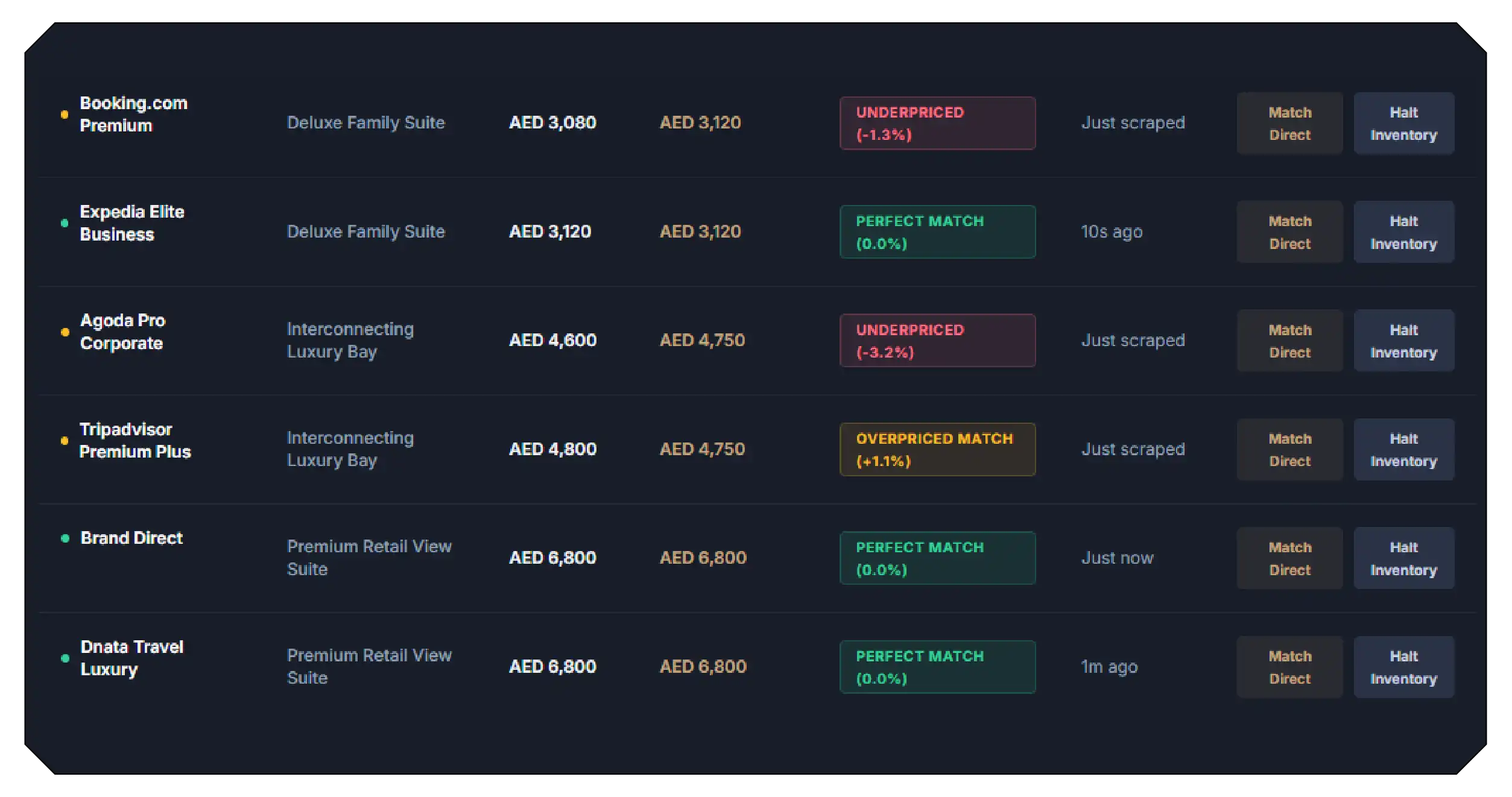
Pricing intelligence systems continuously monitor market rates across multiple channels.
By understanding competitor pricing and market demand dynamics, companies can adjust offerings strategically and maximize profitability.
These insights also help identify underserved markets, promotional opportunities, and emerging customer segments.
Advanced Applications of Car Rental Data
Modern travel organizations use Car Rental Data Scraping for numerous purposes beyond customer-facing comparison websites.
Applications include revenue optimization, dynamic pricing models, fleet management, supplier negotiations, demand forecasting, marketing personalization, and geographic expansion planning.
As travel marketplaces become increasingly competitive, data-driven decision-making has become a critical business requirement rather than a luxury.
How Car Rental Aggregators Deliver Value?
Successful car rental aggregators collect and compare prices from numerous suppliers to simplify booking decisions.
Their value extends beyond convenience.
They provide transparency, help travelers identify the best deals, reduce search effort, and improve market efficiency by encouraging fair competition among suppliers.
For providers, aggregators create additional distribution channels and broader customer reach.
Creating a Scalable Travel Marketplace
A modern vehicle rental marketplace with OTA data Scrape capabilities combines data collection, analytics, search technology, and customer experience optimization.
Scalability depends on several factors:
Infrastructure reliability, database performance, data freshness, search speed, API integrations, and analytics capabilities.
Organizations investing in these components position themselves to handle increasing user demand while maintaining service quality.
How Travel Scrape Can Help You?
Comprehensive Data Collection
Travel Scrape gathers rental pricing, vehicle availability, supplier information, booking conditions, and promotional offers from multiple travel sources. Our automated collection systems ensure consistent updates while maintaining data accuracy, enabling businesses to build reliable comparison platforms and analytics solutions.
Real-Time Market Monitoring
Our technology continuously tracks changing rental rates, inventory availability, and marketplace activity across travel platforms. This real-time intelligence helps organizations respond quickly to market fluctuations, identify pricing opportunities, and provide customers with the most current information available.
Advanced Data Standardization
Travel Scrape transforms complex and inconsistent rental information into structured datasets. We normalize vehicle categories, supplier records, pricing formats, and booking conditions, creating clean and comparable data that supports accurate search functionality and meaningful analytics.
Scalable Analytics Solutions
Our data intelligence services support forecasting, performance monitoring, demand analysis, and pricing optimization. Businesses gain access to actionable insights that improve strategic planning, customer acquisition, inventory management, and long-term marketplace growth initiatives.
Custom Travel Intelligence Development
Every travel business has unique requirements. Travel Scrape develops customized data collection and analytics solutions tailored to specific markets, suppliers, geographic regions, and business objectives, ensuring maximum value from travel data investments and operational strategies.
Conclusion
Building a car hire comparison website from scratch requires far more than simply collecting vehicle prices. Success depends on integrating data extraction, normalization, analytics, search capabilities, and customer-focused experiences into a scalable platform.
As competition intensifies, businesses increasingly rely on data-driven strategies for Competitor Benchmarking and marketplace optimization. Organizations focused on scaling a car Hire comparison platform with travel data analytics can identify market opportunities faster, improve operational efficiency, and enhance customer satisfaction.
Furthermore, understanding OTA Ranking & Visibility enables businesses to improve supplier positioning, maximize exposure, and strengthen marketplace performance. In an industry where pricing and availability change constantly, real-time travel intelligence remains one of the most valuable assets for sustainable growth.
Ready to elevate your travel business with cutting-edge data insights? Scrape Aggregated Flight Fares to identify competitive rates and optimize your revenue strategies efficiently. Discover emerging opportunities with tools to Extract Travel Website Data, leveraging comprehensive data to forecast market shifts and enhance your service offerings. Real-Time Travel App Data Scraping Services helps stay ahead of competitors, gaining instant insights into bookings, promotions, and customer behavior across multiple platforms. Get in touch with Travel Scrape today to explore how our end-to-end data solutions can uncover new revenue streams, enhance your offerings, and strengthen your competitive edge in the travel market.
Unlock the Full Report
Enter your details to access premium pricing intelligence insights