How Can You Extract Trivago Hotel Data in Singapore to Gain Market Insights?
Introduction
In today’s competitive hospitality landscape, businesses need to stay ahead by leveraging precise and timely data. One effective approach is to extract Trivago hotel data in Singapore to gain a comprehensive understanding of market dynamics, customer preferences, and pricing trends. By systematically collecting this data, hotels, travel agencies, and OTAs can make informed decisions, optimize revenue, and enhance customer satisfaction. Additionally, Web Scraping Trivago Hotels Data enables organizations to automate the process of gathering structured information from Trivago, saving time and resources while improving analytical accuracy.
Real-time insights are crucial for success in the fast-paced travel industry, and real-time hotel rate monitoring in Singapore allows businesses to adjust their pricing strategies based on market fluctuations and competitor actions. By continuously tracking rates, promotions, and availability, stakeholders can maximize occupancy, prevent revenue leakage, and deliver competitive offerings to travelers.
Why Trivago Data is Valuable?
Trivago has emerged as one of the leading hotel comparison platforms globally, offering a wealth of information on hotel pricing, guest reviews, and room availability. Accessing this data allows businesses to understand consumer behavior, monitor competitor performance, and benchmark pricing strategies effectively. Using a structured approach to Extract Trivago Hotel API Data ensures that the information gathered is accurate, up-to-date, and scalable. This is particularly beneficial for companies operating multiple properties or providing travel-related services in Singapore.
Collecting data from Trivago enables businesses to scrape Trivago hotel prices in Singapore, giving them the ability to perform detailed pricing analysis. This data helps identify pricing gaps, seasonal trends, and demand fluctuations across different hotel categories, ranging from luxury to budget accommodations. By understanding these patterns, hospitality professionals can optimize revenue management and stay competitive in a dynamic market.
Components of Trivago Data
Trivago data typically encompasses several key elements that are essential for actionable insights:
1. Pricing Information: Includes nightly rates, discounts, and promotional offers across various booking platforms.
2. Availability Data: Reflects the number of rooms available per hotel, including sold-out periods and last-minute availability.
3. Guest Reviews and Ratings: Provides qualitative insights into customer satisfaction, amenities, service quality, and overall experiences.
4. Hotel Metadata: Covers property details such as location, star rating, facilities, and nearby attractions.
By combining these elements, businesses can create a holistic view of the Singapore hotel market, enabling strategic planning and precise forecasting. Additionally, accessing the Trivago Guest Reviews Dataset allows companies to gauge sentiment and identify service improvement opportunities, helping enhance guest experiences.
Applications of Trivago Data
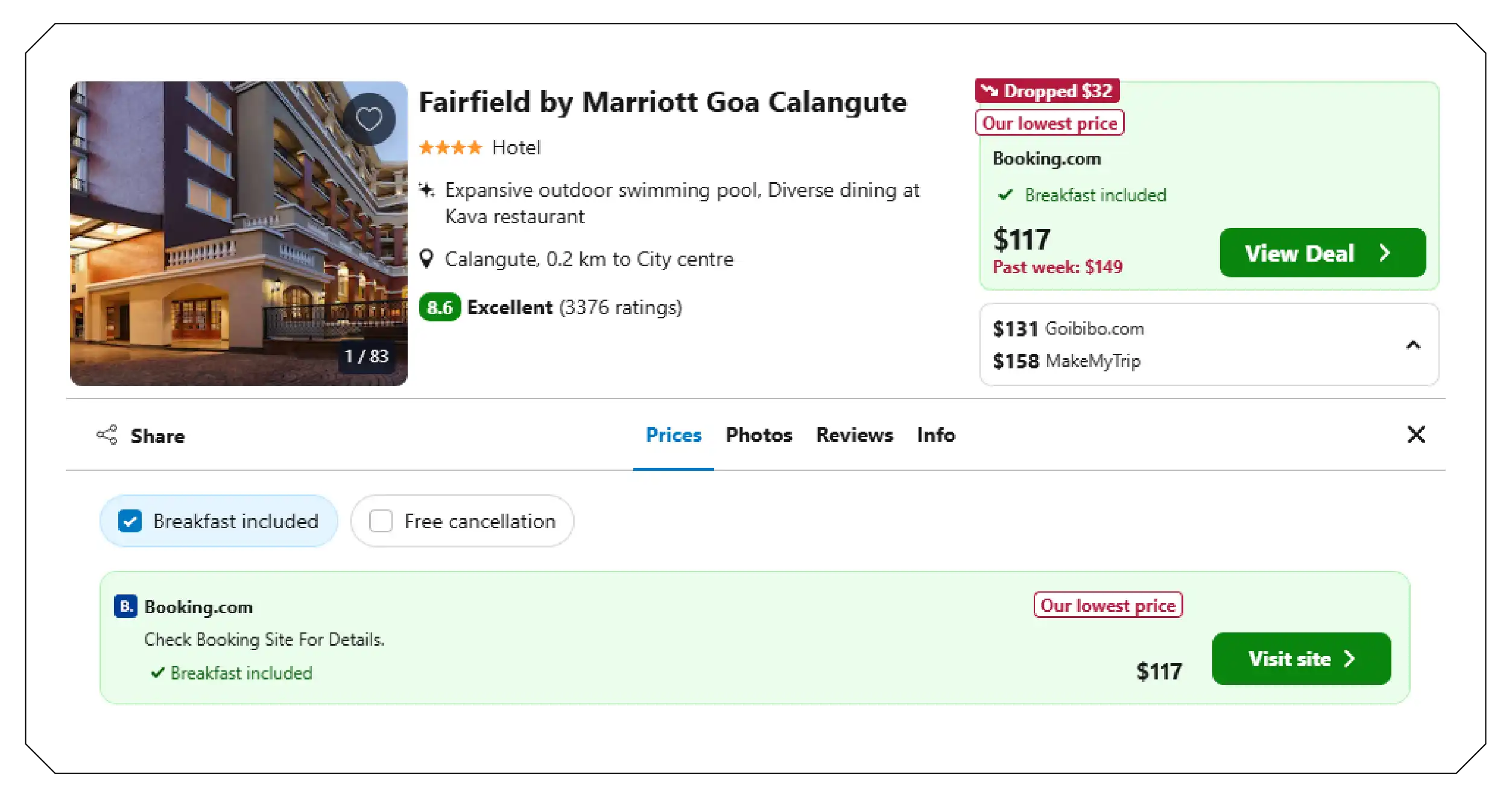
1. Pricing Optimization: Leveraging Trivago data helps hotels adjust rates dynamically based on competitor pricing, seasonal demand, and booking patterns. Using a Trivago hotel pricing comparison in Singapore strategy allows businesses to remain competitive without compromising revenue.
2. Market Intelligence: Understanding market trends and competitor positioning is crucial. By analyzing the Trivago hotel Singapore market intelligence, companies can identify emerging trends, popular destinations, and high-performing properties to inform marketing and expansion strategies.
3. Operational Planning: Hotels can utilize data to forecast occupancy, plan staffing, and manage resources efficiently. A Trivago Hotel Room Rates Dataset enables decision-makers to model different scenarios and optimize operational efficiency based on real market conditions.
4. Customer Experience Enhancement: Analyzing reviews and ratings offers insights into areas requiring improvement, from room cleanliness to service quality. This enables hotels to deliver a superior guest experience and foster repeat bookings.
Methods to Extract Trivago Data
There are several approaches to gather Trivago data effectively:
- API Integration: Using Trivago APIs allows for direct access to structured data, including pricing, availability, and reviews. This method is reliable and ensures accuracy while reducing the risk of data loss.
- Web Scraping: Advanced web scraping tools can extract hotel information in bulk, including price trends, room types, and user ratings. Web Scraping Trivago Hotels Data provides a scalable solution to continuously gather fresh data, ensuring that insights remain relevant in a rapidly changing market.
- Automated Monitoring: Setting up automated data pipelines ensures that pricing, availability, and review information are updated in real-time. This supports real-time hotel rate monitoring in Singapore and allows for swift response to market changes.
Challenges and Best Practices
While extracting data from Trivago offers immense value, it comes with challenges that require careful planning:
- Data Accuracy: Ensuring data accuracy is critical. Regular validation and cleaning help prevent incorrect analysis.
- Website Changes: Trivago frequently updates its website and API structures. A robust scraping system should adapt to changes to avoid data loss.
- Legal and Ethical Compliance: Businesses must comply with data protection regulations and Trivago’s terms of service. Ethical scraping ensures that data collection is lawful and sustainable.
Best practices include using proxies to prevent IP blocking, scheduling incremental data updates, and maintaining structured databases to store and analyze information efficiently.
Real-World Impact
Companies that leverage Trivago data can see tangible benefits:
- Improved Revenue Management: By dynamically adjusting rates according to market data, hotels can increase occupancy and revenue.
- Enhanced Competitive Strategy: Businesses gain a better understanding of competitor positioning and can tailor their offerings accordingly.
- Data-Driven Marketing: Insights from guest reviews and pricing trends allow for targeted campaigns, boosting direct bookings and loyalty.
In Singapore, where tourism and business travel are robust, such intelligence provides a strategic advantage. Businesses can not only track competitor rates but also identify underserved market segments, allowing them to offer tailored packages and promotions.
Future of Hotel Data Analytics
The integration of artificial intelligence and machine learning with Trivago data is transforming the hospitality industry. Predictive models can forecast demand, optimize dynamic pricing, and personalize customer experiences. By continuously updating datasets like Trivago Price Trends Dataset, hotels can make proactive, data-driven decisions that enhance profitability and guest satisfaction.
Furthermore, real-time dashboards powered by Trivago data allow decision-makers to visualize trends, compare properties, and monitor performance against key metrics. This fosters agility in a competitive market, ensuring that Singapore hotels remain responsive to customer needs and market fluctuations.
How Travel Scrape Can Help You?
1. Gain Accurate Market Insights
Collect structured data from multiple hotel platforms to understand pricing trends, availability, and guest behavior, enabling informed decision-making and proactive strategy development.
2. Enhance Competitive Intelligence
Monitor competitor hotels, room rates, promotions, and guest reviews to identify opportunities, benchmark performance, and adjust your offerings for maximum market advantage.
3. Optimize Revenue Strategies
Use real-time pricing and availability data to implement dynamic pricing models, forecast demand, and maximize revenue without overbooking or leaving potential profits untapped.
4. Streamline Operations
Automate data collection, cleaning, and integration into dashboards or reporting tools, reducing manual effort, ensuring accuracy, and enabling teams to focus on higher-value business decisions.
5. Improve Customer Satisfaction
Analyze guest reviews, preferences, and trends to identify service gaps, tailor offerings, and enhance overall experience, fostering loyalty and positive word-of-mouth in a competitive market.
Conclusion
Extracting and analyzing Trivago data in Singapore has become essential for businesses seeking a competitive edge. Using method to extract Trivago Singapore hotel availability data allows businesses to track room availability efficiently. Through web scraping Trivago Singapore hotels data, companies can gather comprehensive hotel information for analysis.
Integrating datasets like Trivago Price Trends Dataset into strategic planning enables a comprehensive understanding of market trends, competitive positioning, and customer behavior. By adopting structured extraction methods and following best practices, hospitality professionals in Singapore can harness Trivago data to drive growth, optimize operations, and stay ahead in a highly dynamic industry.
Ready to elevate your travel business with cutting-edge data insights? Scrape Aggregated Flight Fares to identify competitive rates and optimize your revenue strategies efficiently. Discover emerging opportunities with tools to Extract Travel Website Data, leveraging comprehensive data to forecast market shifts and enhance your service offerings. Real-Time Travel App Data Scraping Services helps stay ahead of competitors, gaining instant insights into bookings, promotions, and customer behavior across multiple platforms. Get in touch with Travel Scrape today to explore how our end-to-end data solutions can uncover new revenue streams, enhance your offerings, and strengthen your competitive edge in the travel market.
Unlock the Full Report
Enter your details to access premium pricing intelligence insights