How to Evaluate Airline Pricing Data Quality Analytics Across OTAs, META Sites & Airline Brand Websites?
Introduction
The airline industry has become highly dependent on digital pricing intelligence as travelers compare fares across multiple channels before booking. Airlines, travel agencies, and analytics companies need reliable pricing information to understand fare movements, competitor strategies, and customer behavior. airline pricing data quality analytics helps businesses verify whether collected fare information is accurate, complete, and consistent across online travel agencies (OTAs), metasearch platforms, and airline-owned websites. Evaluating pricing data quality ensures that businesses make decisions based on trustworthy market information rather than incomplete or outdated fare records.
Modern travel platforms collect millions of fare updates every day, making it essential to analyze pricing patterns, availability, taxes, baggage rules, and fare conditions. A structured Airline Price Change Dataset provides historical visibility into how ticket prices fluctuate across routes, seasons, demand levels, and booking windows. With accurate pricing datasets, companies can identify pricing opportunities, improve revenue strategies, and deliver better recommendations to travelers.
The complexity of airline pricing has increased because the same flight can appear with different prices across OTAs, META search engines, and airline websites. Factors such as commissions, dynamic pricing, promotions, currency conversion, seat availability, and customer segmentation influence displayed fares. Therefore, businesses require OTA airline pricing data quality insights to evaluate whether OTA pricing information reflects real market conditions and supports accurate comparison.
Understanding Airline Pricing Data Sources
Airline pricing data is collected from three major digital sources: OTAs, META flight comparison platforms, and airline brand websites. Each source has unique characteristics that impact data quality.
OTAs such as online travel agencies aggregate airline inventory and provide customers with booking options. Their pricing data includes base fares, taxes, fees, baggage details, cancellation policies, and additional services. However, OTA data may sometimes differ from airline websites due to platform fees, cached information, promotional pricing, or delayed updates.
META flight search platforms focus on comparing multiple providers. They collect prices from airlines and OTAs, helping users identify the lowest available fares. While META platforms offer broad market visibility, differences in refresh frequency and provider connections can affect pricing accuracy.
Airline brand websites represent direct booking channels. They usually provide the most current inventory information because they connect directly with airline reservation systems. However, analyzing airline website data alone may not provide complete competitor insights because it lacks cross-platform comparison.
A comprehensive pricing evaluation using Global Flight Price Trends Dataset requires combining all three sources and validating the information continuously.
Key Factors for Measuring Airline Pricing Data Quality
Airline pricing data quality depends on several important factors that determine whether the information can support business decisions.
The first factor is accuracy. Accurate pricing data means that collected fares match the actual prices available for booking. Even small differences caused by outdated information, incorrect taxes, or missing fees can create misleading insights.
The second factor is freshness. Airline prices change frequently based on demand, remaining seat inventory, competitor actions, and travel dates. A dataset collected hours ago may not represent current market conditions. Real-time collection and frequent updates are essential for monitoring fare movements.
Completeness is another important measurement. A high-quality airline dataset should include flight numbers, departure times, arrival details, fare classes, baggage rules, refund conditions, and total payable prices. Missing attributes reduce the usefulness of pricing analysis.
Consistency across platforms is also critical. Businesses need to compare whether the same flight displays similar prices across OTAs, META platforms, and airline websites. Differences should be identified and categorized rather than ignored.
Evaluating OTA Pricing Data Quality
OTAs provide valuable market information, but their pricing data requires continuous validation. Since OTAs depend on airline inventory feeds and third-party systems, pricing mismatches can occur.
One common issue is delayed fare updates. An OTA may display an old price even after the airline updates its inventory. This creates inaccurate comparisons and affects customer trust.
Another challenge is hidden pricing elements. Some platforms initially display attractive fares but add service charges, booking fees, or additional costs during checkout. Proper evaluation requires comparing displayed prices with final booking prices.
Businesses analyzing META flight price comparison dataset should monitor route-level pricing changes, fare availability, and provider differences. By comparing multiple OTAs, companies can identify pricing patterns and detect unreliable sources.
Assessing META Flight Comparison Data Accuracy
META flight platforms are powerful tools for understanding market-wide pricing behavior. They collect data from various airlines and travel sellers, allowing users to compare hundreds of options quickly.
However, META pricing accuracy depends on the quality of supplier connections. If a connected provider fails to update inventory, the META platform may show unavailable or incorrect fares.
Evaluating META data involves checking price freshness, duplicate listings, fare availability, and consistency between displayed and final booking prices. Businesses should analyze whether the lowest advertised fare actually exists during the booking process.
META platforms are especially useful for competitive intelligence because they reveal how different providers position their prices. They help identify discount strategies, route competition, and pricing gaps.
Airline Website Direct Booking Price Analysis

Airline websites provide direct access to official pricing information and inventory availability. Since airlines control their own reservation systems, their websites often serve as a benchmark for validating third-party pricing data.
airline website direct booking price analytics helps businesses compare direct fares with OTA and META listings. This analysis reveals whether third-party platforms provide competitive pricing or whether direct booking offers better value.
Airline website analysis should evaluate fare differences, promotional offers, loyalty discounts, and additional services. Some airlines may provide exclusive prices or benefits through direct channels, which influences customer booking decisions.
A strong evaluation process compares airline website prices with external platforms to identify pricing variations and market opportunities.
Building a Reliable Airline Price Monitoring Framework
Effective pricing evaluation requires continuous monitoring rather than occasional data checks. Airline prices fluctuate constantly, and businesses need systems that capture changes as they happen.
Price Monitoring allows companies to track fare movements across routes, competitors, and booking channels. By observing price changes over time, analysts can identify demand patterns and predict future pricing behavior.
A reliable framework includes automated data collection, data validation, anomaly detection, and historical comparison. When unusual price differences appear, the system should flag them for investigation.
Real-time airline price data monitoring enables companies to respond quickly to market changes. Travel businesses can adjust pricing strategies, optimize promotions, and improve customer recommendations using fresh market intelligence.
Importance of Airline Data Scraping for Market Analysis
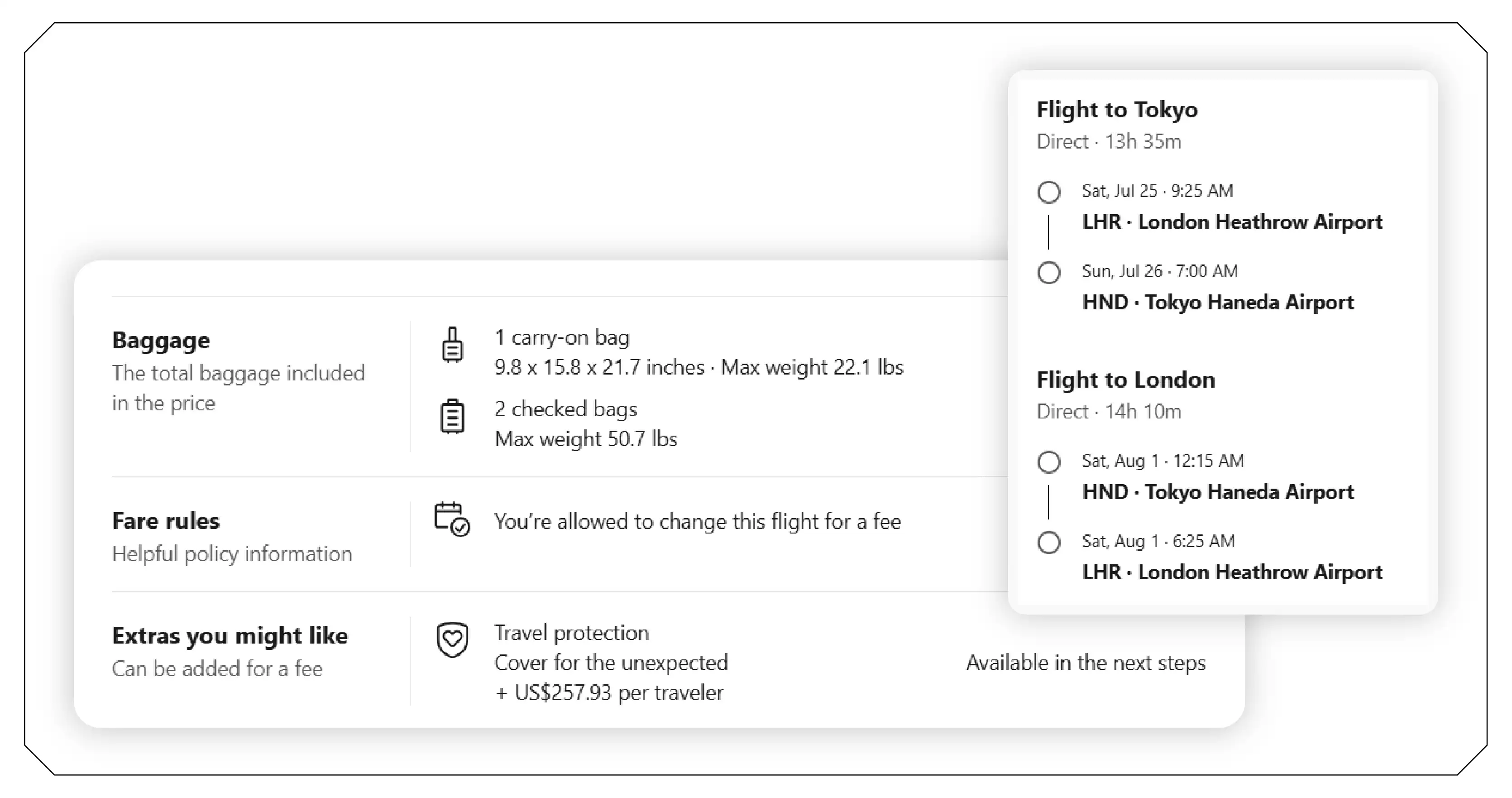
Collecting airline pricing information manually is inefficient because thousands of routes and fares change every day. Automated extraction methods allow businesses to gather structured information from multiple sources.
Airline Data Scraping supports large-scale collection of flight prices, schedules, availability, and fare conditions. Properly structured datasets allow organizations to analyze competitor pricing, track demand patterns, and identify market opportunities.
The collected information can be cleaned, standardized, and transformed into analytical datasets. This helps businesses compare prices across different platforms and understand how airline pricing strategies evolve.
Airline data collection also supports forecasting models by providing historical pricing trends and seasonal patterns.
Challenges in Maintaining Airline Pricing Data Quality
Maintaining accurate airline pricing datasets requires addressing several challenges. Dynamic pricing systems constantly modify fares based on demand, customer profiles, and inventory availability.
Different platforms may use different currencies, tax structures, and fare presentation methods. Without proper normalization, comparisons become inaccurate.
Another challenge is identifying duplicate or incomplete listings. Multiple providers may display the same flight with slightly different details. Data validation processes are necessary to remove errors and maintain reliability.
Technology changes also affect data collection. Website updates, API changes, and booking system modifications require continuous adjustments to maintain uninterrupted data flow.
How Travel Scrape Can Help You?
Accurate Market Data Collection
Our services collect structured airline pricing information from multiple digital sources, helping businesses access organized datasets for competitor analysis, route monitoring, and pricing evaluation.
Improved Data Validation Processes
We apply quality checks to identify missing values, inconsistencies, and outdated records, ensuring collected information remains reliable and suitable for business intelligence applications.
Faster Competitive Analysis
Our solutions help companies track market movements efficiently by gathering large volumes of pricing information and transforming raw data into actionable competitive insights.
Scalable Data Extraction Systems
We build scalable extraction frameworks capable of handling multiple platforms, routes, and frequent updates while maintaining consistent data quality standards.
Enhanced Decision Support
Our datasets support smarter business decisions by providing structured market information that helps organizations understand pricing behavior and customer-facing opportunities.
Conclusion
Evaluating airline pricing data quality across OTAs, META platforms, and airline websites is essential for accurate travel intelligence. Businesses must analyze accuracy, freshness, completeness, and consistency before using pricing information for strategic decisions. Reliable datasets enable better competitor analysis, fare forecasting, and customer experience improvements.
META flight fare accuracy aggregation helps organizations combine pricing information from different sources while maintaining reliable comparisons and market visibility.
OTA ticket price consistency tracking allows businesses to identify pricing differences, monitor availability changes, and improve fare intelligence strategies.
Metasearch & OTA Price Intelligence supports comprehensive understanding of airline pricing ecosystems by connecting multiple data channels and improving analytical accuracy. With continuous monitoring and structured data collection, companies can build stronger pricing strategies and respond effectively to changing airline market conditions.
Ready to elevate your travel business with cutting-edge data insights? Scrape Aggregated Flight Fares to identify competitive rates and optimize your revenue strategies efficiently. Discover emerging opportunities with tools to Extract Travel Website Data, leveraging comprehensive data to forecast market shifts and enhance your service offerings. Real-Time Travel App Data Scraping Services helps stay ahead of competitors, gaining instant insights into bookings, promotions, and customer behavior across multiple platforms. Get in touch with Travel Scrape today to explore how our end-to-end data solutions can uncover new revenue streams, enhance your offerings, and strengthen your competitive edge in the travel market.
Unlock the Full Report
Enter your details to access premium pricing intelligence insights