What Can the Sixt Car Rental Location Dataset Germany Reveal About Market Coverage?
Introduction
Germany represents one of Europe’s most structured and competitive car rental ecosystems, driven by strong corporate travel, tourism, and urban mobility demand. For data-driven businesses, understanding how leading brands structure their physical presence across cities and transport hubs is essential for informed decision-making. The Sixt car rental location dataset Germany provides a comprehensive view into how one of Europe’s most prominent mobility brands operates across diverse regional markets.
As organizations increasingly rely on external datasets to support expansion planning, pricing analysis, and competitive benchmarking, techniques such as Sixt Car Rental Data Scraping make it possible to convert publicly available information into structured, analyzable assets. When combined with a broader Germany Sixt Car Rental Market Dataset, businesses gain clarity on market coverage, operational density, and strategic positioning across the country.
Sixt’s Role in Germany’s Mobility Infrastructure
Sixt has established itself as a cornerstone of Germany’s car rental industry by maintaining a strong presence across airports, city centers, railway stations, and business districts. This extensive network allows the brand to serve a wide spectrum of customers—from international travelers and corporate clients to local residents seeking short-term mobility solutions.
Analyzing Sixt’s footprint reveals more than just branch locations. It uncovers how mobility demand differs by region, how urbanization influences rental behavior, and how transportation hubs shape customer acquisition strategies. A structured dataset enables businesses to compare regional coverage, identify underserved areas, and evaluate how Sixt adapts its network to Germany’s evolving transportation needs.
Transforming Public Location Data into Business Intelligence
Raw location listings, while publicly accessible, offer limited value without proper structure and consistency. This is where Sixt Car Rental Data Scraping becomes essential. By systematically collecting and organizing location details such as branch addresses, service types, and operational categories, businesses can transform scattered information into a centralized intelligence resource.
Such datasets are particularly valuable for companies operating in travel technology, automotive analytics, and logistics planning. Reliable location intelligence reduces research time, improves forecasting accuracy, and supports data-backed strategic initiatives.
Airport and City Branch Coverage: A Comparative View
One of the defining features of Sixt’s strategy in Germany is its balanced focus on both airport and city-based branches. Airport locations typically cater to high-frequency travelers and international visitors, while city outlets serve corporate clients, insurance replacement rentals, and long-term leasing customers.
A structured Sixt Airport & City Branch Dataset Germany enables businesses to distinguish between these two operational models and assess how location type impacts service availability, pricing, and demand patterns. This differentiation is particularly useful for travel platforms and airlines evaluating partnership opportunities or bundled mobility offerings.
Additionally, insights derived from the Sixt Germany airport car rental locations dataset help stakeholders understand how Sixt prioritizes presence at major hubs such as Frankfurt, Munich, and Berlin, where competition and customer expectations are highest.
Pricing Intelligence at the Location Level
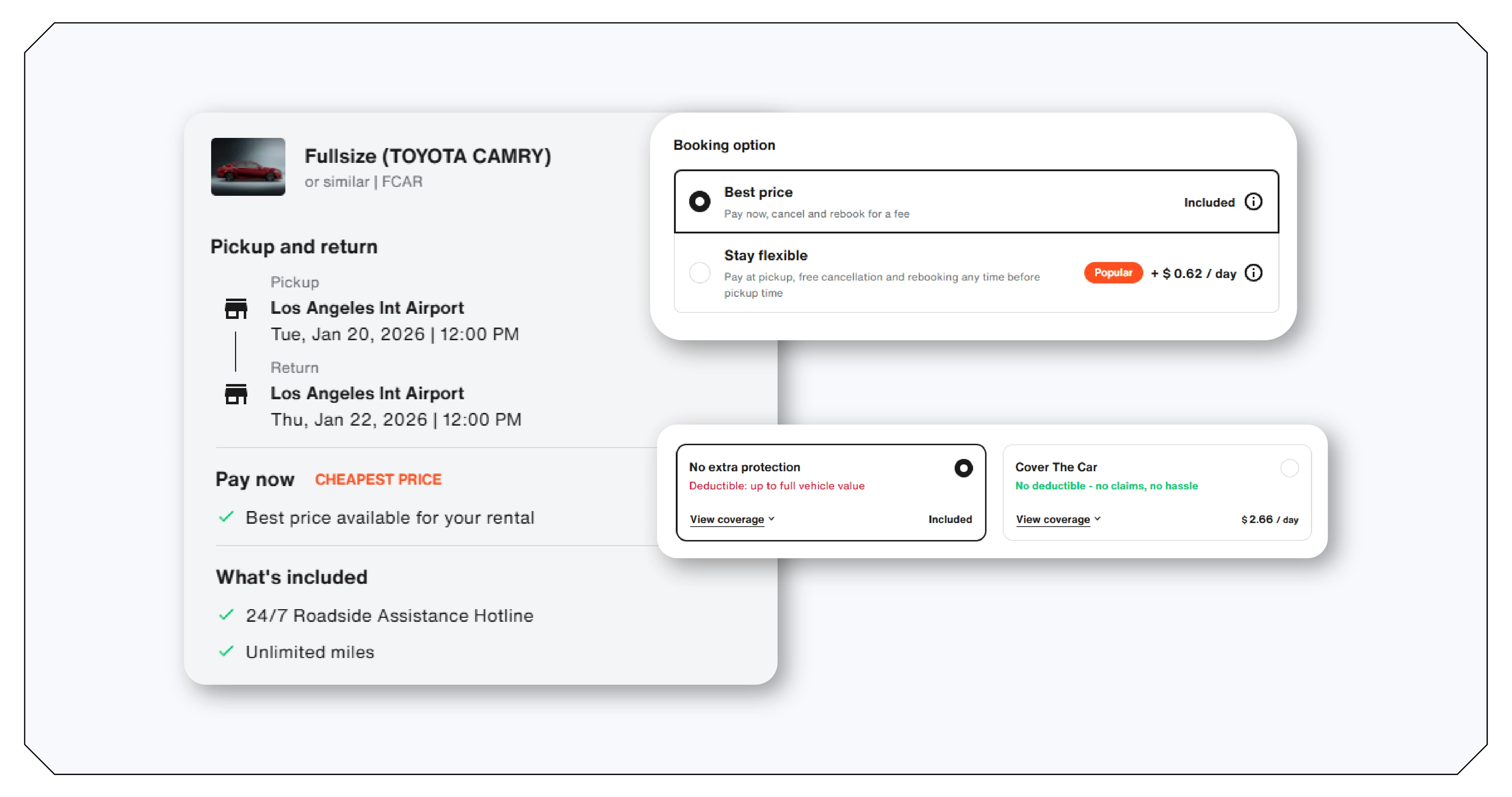
Pricing strategies in the car rental industry vary significantly based on location, vehicle availability, and seasonal demand. Access to the Sixt.com Car Rental Prices Dataset allows analysts to study how rates differ between airports and city centers, as well as across regions within Germany.
When pricing data is linked with location intelligence, it becomes easier to identify premium markets, discount-driven regions, and demand-driven price fluctuations. This information is particularly valuable for revenue managers, comparison platforms, and mobility startups aiming to optimize pricing models or improve customer transparency.
Mapping Sixt’s Network for Strategic Insights
Visualizing rental locations on a geographic map transforms complex datasets into intuitive insights. Using the Sixt.com Car Rental Locations Dataset, businesses can assess outlet density, proximity to transport infrastructure, and regional clustering patterns across Germany.
Such mapping exercises support multiple use cases, including competitor benchmarking, site selection for new branches, and targeted marketing strategies. Understanding where Sixt concentrates its presence also helps partners and suppliers align their operations with high-demand regions.
Location-Based Market Intelligence for Smarter Decisions
Data becomes significantly more powerful when enriched with contextual insights. By combining location datasets with demographic indicators, travel trends, or economic activity, organizations can develop Germany Sixt Location-Based Market Intelligence that supports long-term planning.
This type of intelligence helps businesses anticipate demand growth in emerging cities, assess risks associated with over-concentration in specific regions, and align services with changing mobility behaviors. It also supports predictive modeling for future infrastructure developments and urban expansion.
Cross-Industry Applications of Car Rental Data
The usefulness of Sixt location datasets extends beyond traditional car rental analysis. Travel aggregators can optimize search results based on branch proximity, automotive manufacturers can analyze fleet deployment patterns, and urban planners can assess mobility demand around transport hubs.
By leveraging Car Rental Data Intelligence, organizations across industries gain a clearer understanding of how mobility services integrate into broader economic and transportation ecosystems. This intelligence supports collaboration, innovation, and more efficient allocation of resources.
Ensuring Accuracy, Scalability, and Timeliness
In a fast-moving mobility market, outdated data can quickly undermine strategic decisions. New branches open, operating hours change, and services evolve in response to customer demand. Scalable data collection frameworks ensure datasets remain accurate, consistent, and actionable over time.
Automated processes also enable historical comparisons and trend analysis, allowing businesses to track how Sixt’s network evolves in response to market forces and policy changes.
How Travel Scrape Can Help You?
- Access accurate, up-to-date market data
We collect and structure real-time data from multiple online sources, ensuring you always work with the latest, most reliable information for analysis and decision-making. - Enable location-based and competitive insights
Our scraping solutions help you monitor branch locations, service coverage, and competitor presence, allowing you to identify gaps, opportunities, and regional trends with confidence. - Support smarter pricing and demand analysis
By extracting pricing and availability data at scale, we help you analyze regional price variations, seasonal trends, and demand patterns to optimize your pricing strategies. - Save time and reduce operational effort
Automated data extraction eliminates manual research, freeing your teams to focus on strategy, insights, and execution rather than data collection. - Deliver scalable, customized datasets for your business needs
Whether you need one-time datasets or continuous data feeds, our flexible scraping services are tailored to your industry, format, and integration requirements.
Conclusion
As Germany continues to invest in transportation infrastructure and sustainable mobility, location-level data will remain a cornerstone of competitive strategy. Structured datasets provide the clarity businesses need to respond quickly to market changes and customer expectations.
Organizations that Scrape Sixt city-wise rental locations data Germany gain granular visibility into urban mobility dynamics, while insights from the Sixt rental outlet mapping dataset Germany support smarter expansion and partnership decisions. Finally, leveraging a Real-Time Car Rental Data Scraping API ensures continuous access to up-to-date information, empowering businesses to stay ahead in an increasingly data-driven mobility landscape.
Ready to elevate your travel business with cutting-edge data insights? Scrape Aggregated Flight Fares to identify competitive rates and optimize your revenue strategies efficiently. Discover emerging opportunities with tools to Extract Travel Website Data, leveraging comprehensive data to forecast market shifts and enhance your service offerings. Real-Time Travel App Data Scraping Services helps stay ahead of competitors, gaining instant insights into bookings, promotions, and customer behavior across multiple platforms. Get in touch with Travel Scrape today to explore how our end-to-end data solutions can uncover new revenue streams, enhance your offerings, and strengthen your competitive edge in the travel market.
Unlock the Full Report
Enter your details to access premium pricing intelligence insights