Car Rental Pricing Market Intelligence Platforms for Decision-Making in Car Rental Pricing Maximize Fleet Revenue
Introduction
The car rental industry has become increasingly competitive due to changing customer expectations, digital booking channels, seasonal travel patterns, and dynamic pricing strategies adopted by rental operators. Traditional fixed pricing models are no longer sufficient because customers compare rates across multiple platforms before making reservations. To remain competitive, rental businesses are adopting advanced analytics solutions and car rental Pricing market intelligence platforms that help monitor pricing movements, demand fluctuations, competitor behavior, and customer preferences.
Modern rental companies collect and analyze large volumes of marketplace information through Car Rental Data Scraping techniques to understand real-time price changes, availability trends, and regional demand patterns. These insights allow businesses to develop smarter pricing strategies and improve operational efficiency.
The increasing adoption of fleet revenue management through market intelligence has transformed how rental companies manage their vehicle inventory. Instead of relying on historical pricing decisions, companies now use real-time data, predictive analytics, and automated recommendations to maximize earnings from every vehicle in their fleet.
Market intelligence platforms provide rental operators with actionable insights related to competitor pricing, booking patterns, customer demand, and fleet performance. These platforms support data-driven decisions that improve profitability while maintaining competitive pricing.
Role of Market Intelligence Platforms in Car Rental Pricing
Market intelligence platforms act as centralized systems that collect, process, and analyze large datasets from multiple sources, including rental websites, travel marketplaces, booking platforms, and competitor channels. The purpose is to provide rental companies with visibility into market movements and pricing opportunities.
One of the most important capabilities of these platforms is Car Rental Data Intelligence, which enables businesses to identify pricing gaps, understand market positioning, and adjust rates according to changing conditions.
For example, if a competitor increases prices during a high-demand period, a rental company can immediately identify the opportunity and optimize its own rates. Similarly, when demand decreases, automated pricing recommendations can prevent vehicles from remaining unused.
Importance of Competitor Price Monitoring
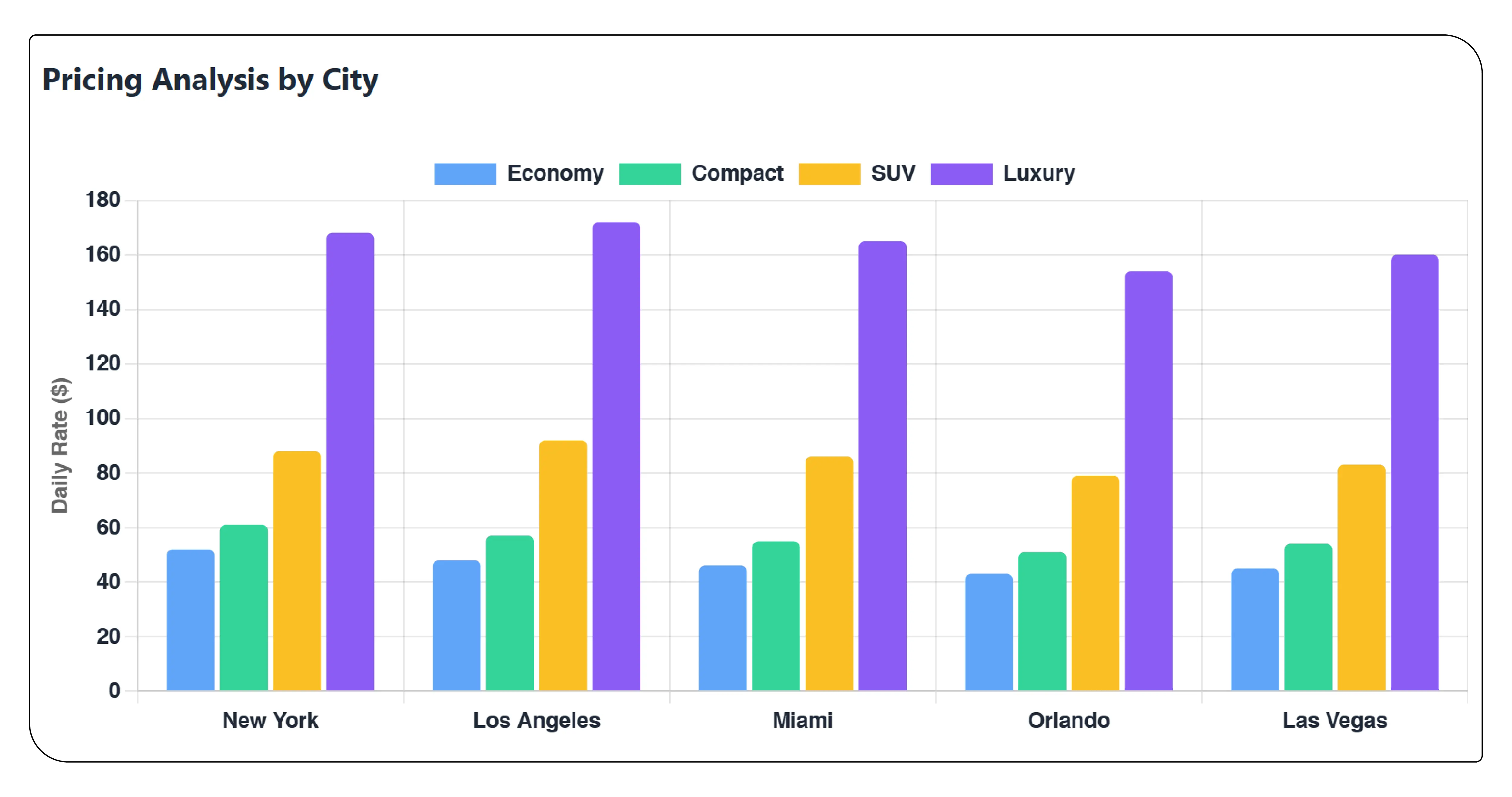
Competition is one of the biggest challenges in the rental market. Customers often compare prices from different providers before booking a vehicle. Therefore, rental companies must continuously analyze competitor offerings.
Monitoring competitor car rental prices across multiple markets allows businesses to track:
- Daily rental rates
- Vehicle category pricing
- Location-based differences
- Seasonal pricing changes
- Discounts and promotions
- Availability levels
- Extra service charges
By collecting this information, rental operators can understand market benchmarks and create competitive pricing strategies.
A company operating in multiple cities can identify that the same vehicle category performs differently depending on location. For instance, economy cars may have higher demand near airports, while SUVs may perform better in vacation destinations.
Market Data Helps Improve Demand Forecasting
Demand forecasting is another major advantage provided by intelligence platforms. Rental demand changes based on holidays, business travel, weather conditions, local events, and tourism trends.
With car rental demand forecasting using market data, businesses can predict future booking volumes and prepare their fleet accordingly.
Predictive models analyze:
- Historical rental patterns
- Current reservations
- Market prices
- Travel trends
- Customer behavior
- Local events
For example, if data indicates increased travel demand during a festival period, rental companies can increase prices gradually and ensure enough vehicles are available.
This reduces revenue losses caused by underpricing or poor fleet allocation.
Impact of Price Optimization on Fleet Revenue
Price optimization uses analytics models to determine the best possible rental rate based on supply and demand conditions. Instead of applying a single price across all situations, companies can create flexible pricing strategies.
The process considers:
- Vehicle availability
- Booking pace
- Competitor prices
- Customer demand
- Rental duration
- Location performance
Through Price Optimization, rental businesses can increase revenue without negatively affecting customer demand.
A vehicle with low booking probability may receive promotional pricing, while a high-demand vehicle category may receive higher rates. This balance improves profitability and customer satisfaction.
Data Analysis Example: Car Rental Market Pricing Performance
The following table demonstrates how market intelligence platforms help rental companies analyze vehicle categories, competitor pricing, demand, and revenue performance.
| Vehicle Category | Fleet Size | Average Daily Rate ($) | Competitor Average Rate ($) | Demand Index (%) | Utilization Before Analytics (%) | Utilization After Analytics (%) | Monthly Revenue Before ($) | Monthly Revenue After ($) |
|---|---|---|---|---|---|---|---|---|
| Economy Cars | 500 | 42 | 45 | 82 | 61 | 84 | 390,600 | 635,040 |
| Compact Cars | 350 | 55 | 58 | 76 | 64 | 86 | 369,600 | 566,720 |
| SUVs | 250 | 78 | 82 | 91 | 72 | 93 | 421,200 | 539,370 |
| Luxury Vehicles | 100 | 150 | 165 | 68 | 48 | 79 | 216,000 | 355,500 |
| Vans | 150 | 95 | 100 | 74 | 58 | 81 | 247,950 | 346,275 |
| Electric Vehicles | 200 | 70 | 75 | 80 | 55 | 87 | 231,000 | 365,400 |
Key Observation:
The table shows that analytics-based pricing significantly improves fleet utilization and monthly revenue. Economy and SUV categories achieved the highest revenue improvements because demand-based pricing helped align rental rates with customer interest. Luxury and electric vehicle categories also showed better utilization after market intelligence adoption.
Improving Fleet Utilization Through Analytics
Fleet utilization is a major factor affecting rental profitability. Vehicles generate revenue only when they are rented. Idle vehicles increase maintenance costs while reducing business returns.
Improving fleet utilization through pricing analytics helps companies identify:
- Vehicles with low booking probability
- Locations with excess inventory
- High-demand vehicle categories
- Opportunities for repositioning fleets
Market intelligence platforms combine pricing insights with operational data to recommend actions such as:
- Reducing prices for slow-moving vehicles
- Increasing rates for high-demand categories
- Moving vehicles between locations
- Creating targeted promotions
This ensures that fleet resources are used efficiently.
Multi-Market Pricing Strategy Using Intelligence Data
Rental companies operating across multiple regions face different market conditions. A price that works in one city may not perform well in another.
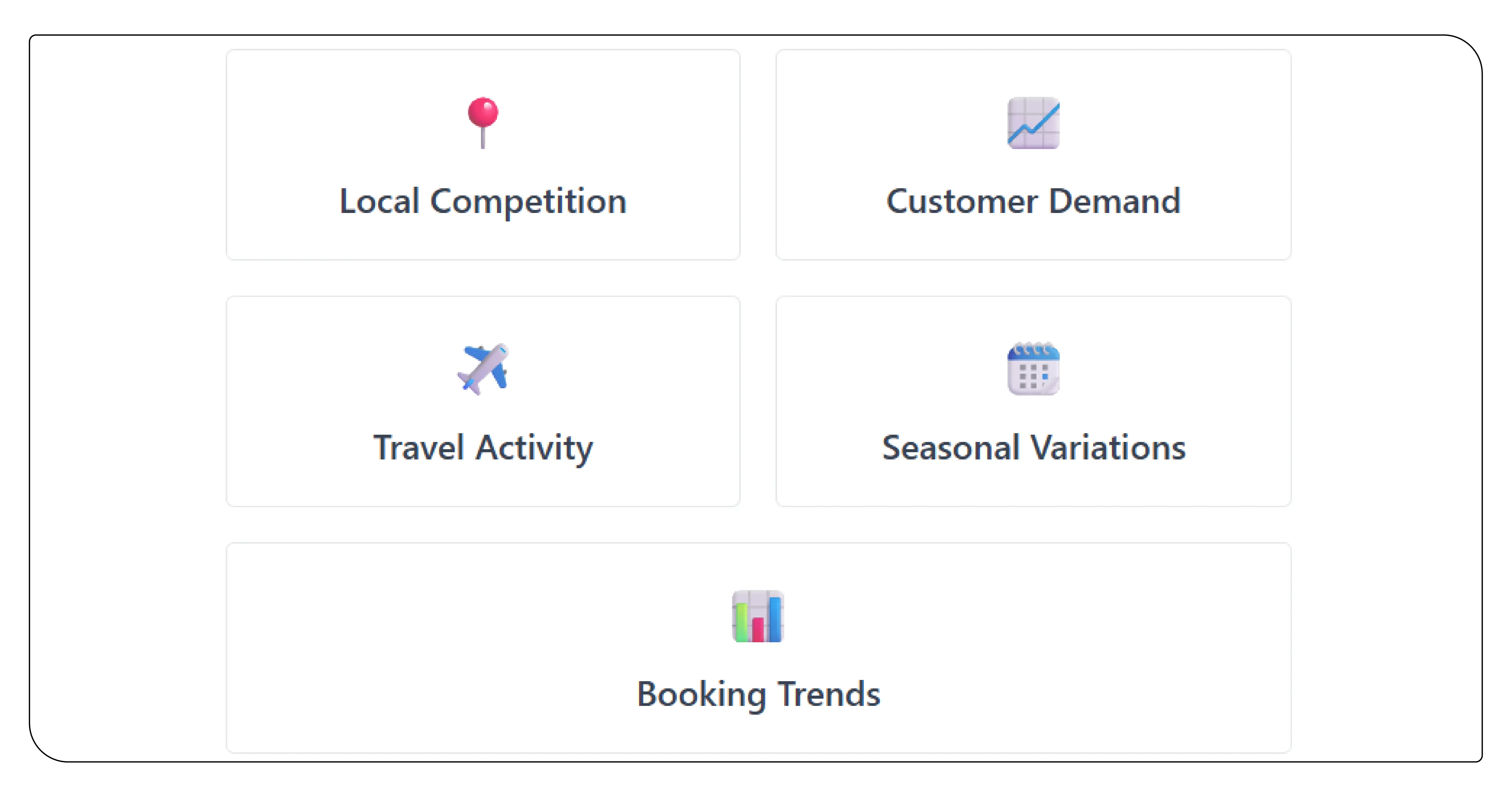
Market intelligence platforms allow businesses to create location-specific pricing strategies by analyzing:
- Local competition
- Customer demand
- Travel activity
- Seasonal variations
- Booking trends
This creates a more accurate pricing environment where each vehicle receives the right price at the right time.
Data Example: Revenue Growth Through Market Intelligence Implementation
The second table highlights the impact of adopting market intelligence solutions across different rental locations.
| Location | Vehicles Managed | Average Monthly Bookings Before | Average Monthly Bookings After | Average Price Adjustment (%) | Revenue Before ($) | Revenue After ($) | Revenue Growth (%) | Competitive Tracking Frequency |
|---|---|---|---|---|---|---|---|---|
| Airport Zone | 700 | 12,500 | 18,900 | 14% | 1,125,000 | 1,840,500 | 63.6% | Daily |
| Downtown Area | 450 | 7,800 | 11,900 | 11% | 585,000 | 976,000 | 66.8% | Daily |
| Tourist Destination | 600 | 10,400 | 16,200 | 18% | 936,000 | 1,574,640 | 68.2% | Hourly |
| Business District | 300 | 5,500 | 8,700 | 9% | 412,500 | 643,500 | 56% | Daily |
| Suburban Market | 250 | 3,800 | 6,200 | 7% | 237,500 | 393,400 | 65.6% | Weekly |
| Regional Branches | 900 | 14,000 | 22,500 | 13% | 1,260,000 | 2,035,000 | 61.5% | Daily |
Key Observation:
The data indicates that market intelligence adoption improves revenue performance across different locations. Tourist and airport markets experienced the strongest growth because demand fluctuations were captured quickly. Frequent competitor monitoring helped companies make timely pricing adjustments and increase booking conversions.
Future Trends in Car Rental Market Intelligence
The future of rental pricing will depend heavily on artificial intelligence, machine learning, and automated decision systems. Platforms will continue improving their ability to predict demand, recommend pricing changes, and identify revenue opportunities.
Emerging trends include:
- AI-powered dynamic pricing
- Real-time competitor monitoring
- Automated fleet allocation
- Customer behavior prediction
- Personalized rental offers
- Predictive maintenance integration
These technologies will help rental companies move from reactive pricing methods toward proactive revenue strategies.
Conclusion
Market intelligence platforms have become essential tools for rental businesses seeking better pricing decisions and stronger profitability. By combining competitor monitoring, demand analysis, and predictive insights, companies can improve their overall fleet performance.
Advanced analytics solutions support travel demand analytics for fleet revenue optimization by helping rental operators understand customer behavior, seasonal demand, and market opportunities.
The ability to collect and analyze competitive pricing information enables companies to focus on maximizing fleet revenue for vehicle rental pricing Scraping while maintaining flexible and customer-focused pricing models.
Using a structured Car Rental Price Trends Dataset allows businesses to identify market patterns, optimize rates, and create long-term revenue strategies.
As competition continues to grow, rental companies that adopt intelligence-driven pricing models will achieve better utilization, improved customer satisfaction, and sustainable revenue growth.
Ready to elevate your travel business with cutting-edge data insights? Scrape Aggregated Flight Fares to identify competitive rates and optimize your revenue strategies efficiently. Discover emerging opportunities with tools to Extract Travel Website Data, leveraging comprehensive data to forecast market shifts and enhance your service offerings. Real-Time Travel App Data Scraping Services helps stay ahead of competitors, gaining instant insights into bookings, promotions, and customer behavior across multiple platforms. Get in touch with Travel Scrape today to explore how our end-to-end data solutions can uncover new revenue streams, enhance your offerings, and strengthen your competitive edge in the travel market.
Unlock the Full Report
Enter your details to access premium pricing intelligence insights