How Can You Scrape Netherland Flight Price and Airfare Data for Accurate Travel Forecasting?

Introduction
In the ever-evolving aviation landscape, the need to Scrape Netherland Flight Price and Airfare has emerged as a vital analytical approach to decode market movements, traveler demand, and seasonal fluctuations. The ability to collect, process, and interpret large-scale flight pricing information is transforming how airlines, travel agencies, and travelers anticipate fare trends. With the support of Airline Data Scraping Services , organizations now possess advanced tools to extract accurate and time-sensitive information from numerous booking engines, aggregators, and airline websites. As global air traffic patterns continue to change post-pandemic, Extract Forecasting Netherlands Flight Route Prices to understand how competitive and dynamic the Dutch aviation market truly is.
Understanding the Importance of Airfare Forecasting for the Netherlands
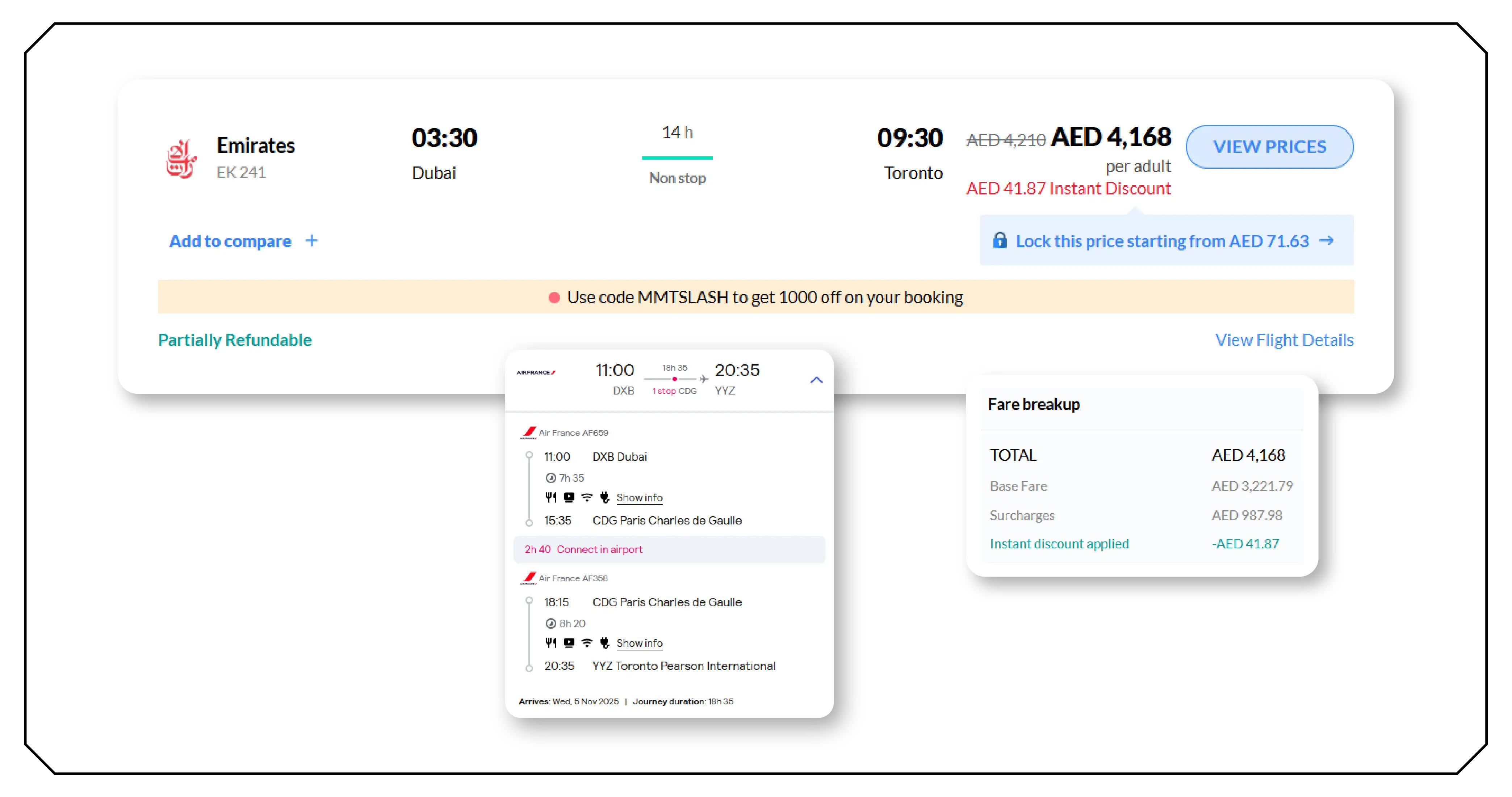
The Netherlands serves as a major aviation hub within Europe, connecting millions of passengers to destinations across the EU and beyond. Amsterdam Schiphol, Rotterdam The Hague, and Eindhoven airports are key gateways for both leisure and business travelers. The ability to forecast airfare prices helps identify optimal booking windows, understand capacity changes, and track price elasticity across routes. For travel analysts, these forecasts offer clarity into how the Dutch market adjusts to seasonal shifts—be it summer holidays to Spain, winter trips to Austria, or business travel to Germany.
Forecasting involves using both Global Flight Price Trends Dataset and real-time fare scraping to uncover macroeconomic signals—like oil price volatility, airport taxes, and passenger demand shifts—that influence ticket prices. When combined with historical airfare patterns, analysts can model route-level performance and offer predictive insights to guide airlines and online travel agencies (OTAs).
Seasonal Airfare Fluctuations from the Netherlands to Other EU Destinations
Seasonality is one of the strongest determinants of airfare volatility. Flight prices from the Netherlands to EU destinations often follow predictable cycles, yet subtle variations in consumer behavior and external shocks can cause unexpected price surges. During summer months, demand for Mediterranean routes—such as Spain, Italy, and Greece—intensifies. Conversely, winter brings spikes for alpine destinations like Austria, Switzerland, and France.
By leveraging Real-Time Historical Airfare Data Scraping Netherlands, analysts can compare current booking data with previous years to determine whether prices are trending upward or downward. For instance, a comparison of Amsterdam–Barcelona route data might reveal consistent summer price hikes of 15–20% compared to spring. Such analysis helps airlines adjust pricing dynamically while allowing travelers to make informed booking decisions.
This pattern extends beyond leisure routes. Business-heavy destinations like Frankfurt, Brussels, and London also experience minor seasonal adjustments, but they are more influenced by weekday booking behavior and short-term corporate demand. Data scraping and forecasting thus allow differentiation between leisure and business-driven routes.
Pricing Competitiveness of Dutch Hubs: Amsterdam, Rotterdam, and Eindhoven
Among Dutch airports, Amsterdam Schiphol is the dominant hub, serving over 70 million passengers annually. Its vast network and carrier diversity foster intense competition, directly influencing fare levels. However, secondary airports like Rotterdam The Hague and Eindhoven have become price-sensitive alternatives for budget travelers. Eindhoven, in particular, has seen growth in low-cost carriers (LCCs) like Ryanair and Wizz Air, reshaping regional price dynamics.
By deploying Flight Price Data Intelligence techniques, analysts can benchmark fare competitiveness across these hubs. For example, the same route from Amsterdam and Eindhoven to Rome might show an average price difference of 25–30%, depending on carrier strategy and demand. Such variations indicate how competition, distance, and operational costs affect ticket prices.
Moreover, smaller airports like Rotterdam often use aggressive promotional pricing to attract passengers away from Schiphol, creating a distinct fare ecosystem. Predictive models based on scraped airfare data reveal how airports position themselves within the Dutch market hierarchy.
Benchmarking Netherlands Flight Corridors vs. Broader Europe
To gauge competitiveness, it’s crucial to benchmark Netherlands-origin flight corridors against broader European patterns. Analysts compare Dutch flight routes to similar corridors from neighboring countries like Belgium, Germany, and France to assess whether fares are aligned, higher, or lower.
Using Historical flight data extraction for Netherlands routes, analysts evaluate thousands of records to identify consistent pricing gaps. For example, fares from Amsterdam to Lisbon can be benchmarked against Brussels–Lisbon and Frankfurt–Lisbon routes. If Amsterdam routes consistently price higher, it may reflect airport cost structures or differing levels of airline competition.
Benchmarking also extends to analyzing time-of-purchase patterns. While Dutch travelers may book earlier for summer vacations, other regions might demonstrate last-minute booking preferences. This behavioral difference influences yield management strategies for airlines operating from the Netherlands.
Such benchmarking exercises are vital for airlines seeking to adjust their dynamic pricing models to align with regional averages while maintaining profitability.
The Role of Airline Data Scraping and Predictive Modeling
To forecast airfare trends effectively, data collection must be both comprehensive and continuous. Airlines and travel analytics firms rely on Airline Price Change Dataset to capture daily price variations across hundreds of routes. These datasets feed predictive models that forecast price movements based on historical patterns and external variables like fuel costs, weather disruptions, and geopolitical events.
Machine learning algorithms trained on scraped airfare data can detect anomalies and generate actionable insights. For instance, a predictive model might signal a probable fare increase on Amsterdam–Paris routes due to rising demand during school holidays or a major event in France.
Predictive modeling also helps identify “fare equilibrium points,” where airlines adjust prices to balance occupancy and profitability. In practice, real-time scraping enables continuous data updates that keep predictions current, allowing agile responses to market shifts.
Real-Time Monitoring of Netherlands-Origin Routes
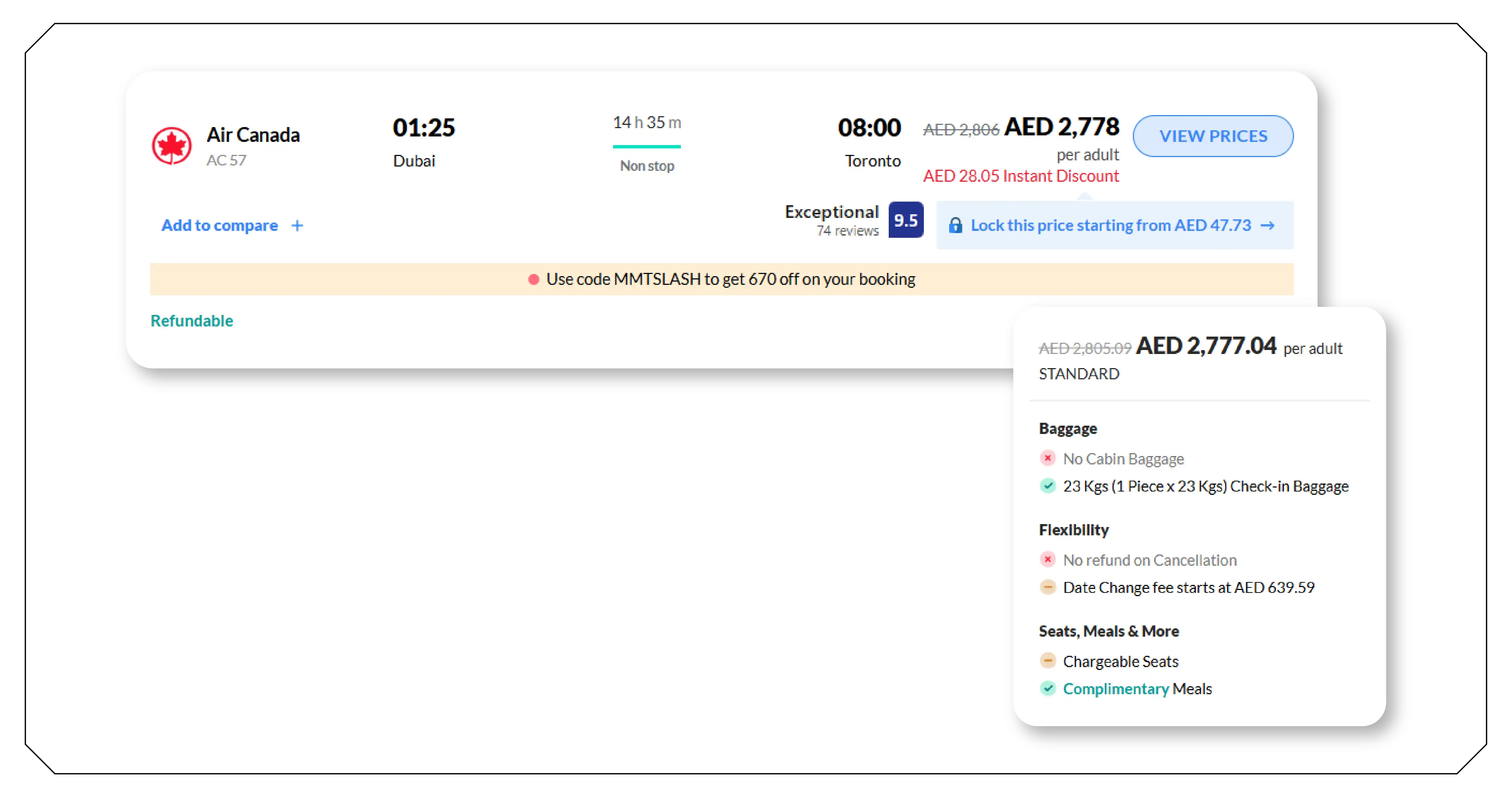
Continuous monitoring is key for ensuring accuracy in fare prediction. Through real-time Netherlands flight price monitoring, analysts can track changes as they happen, enabling dynamic comparison between routes. This helps in understanding the interplay of demand and supply across various travel periods.
For instance, sudden fare changes on routes to Scandinavian countries might coincide with a national holiday, while a drop in fares to Central Europe could indicate airline promotions or capacity expansion. Monitoring these changes allows stakeholders to identify early signals of price movement before they affect end consumers.
This real-time observation capability is especially useful for travel aggregators and booking platforms that aim to recommend the best travel dates to customers. Airlines, too, utilize such intelligence for competitive benchmarking and network optimization.
Correlation Between Historical Data and Real-Time Pricing
The relationship between historical airfare data and real-time pricing is foundational to accurate forecasting. While historical trends provide a baseline, real-time data introduces the context needed for immediate decision-making. By combining the two datasets, analysts can identify cyclical trends, anomalies, and emerging opportunities.
For example, comparing last year’s Amsterdam–Prague route fares during spring break with this year’s real-time fares may reveal whether current prices follow expected seasonal patterns or deviate due to market disruptions.
When Airline Price Change Dataset are aligned with live scraping feeds, predictive models can automatically recalibrate, enhancing forecast reliability.
Predictive Modeling Techniques Used for the Netherlands
- Time Series Analysis: Uses historical fare data to model price evolution over time, identifying recurring patterns across months or years.
- Regression Models: Quantifies the impact of variables such as day of the week, season, and airline competition on price movements.
- Machine Learning Algorithms: Applies neural networks and ensemble learning to forecast fares based on real-time and historical features.
- Sentiment and Demand Analysis: Integrates social media trends and booking intent data to capture demand surges affecting fare levels.
- Dynamic Clustering: Groups similar routes based on fare behavior to predict price evolution across clusters instead of individual routes.
These models draw upon Flight Price Data Intelligence frameworks to provide contextualized, data-driven recommendations for pricing, route management, and traveler advisories.
Amsterdam Schiphol: A Case Study in Dynamic Pricing
Amsterdam Schiphol Airport exemplifies the complexities of dynamic pricing. As a hub serving multiple full-service and low-cost airlines, its routes exhibit wide pricing variation. Historical data reveals that Schiphol’s average outbound fare to southern Europe tends to increase by 18–25% between March and July. However, these prices often stabilize during autumn due to reduced demand.
Analyzing data through scraping tools shows that Schiphol’s price competitiveness is influenced by long-haul connectivity and high operational costs. Routes to nearby EU destinations often exhibit premium pricing due to Schiphol’s strategic network positioning.
Predictive models trained on Historical flight data extraction for Netherlands routes accurately forecast these price surges and help both airlines and consumers identify optimal booking times.
Eindhoven and Rotterdam: Budget Alternatives in Focus
Eindhoven Airport’s rapid growth as a low-cost hub has transformed the Dutch short-haul market. Fare data indicates that flights from Eindhoven to Eastern and Southern Europe are often 30–40% cheaper than comparable routes from Amsterdam. Real-Time Historical Airfare Data Scraping Netherlands highlights consistent demand from budget-conscious travelers who prioritize cost over connection flexibility.
Rotterdam The Hague Airport, on the other hand, caters primarily to regional and short-haul business routes. Despite limited destinations, its fare stability offers an appealing alternative for travelers seeking convenience. Predictive analytics show that Rotterdam’s fares are less prone to seasonal spikes, making it a preferred choice for corporate itineraries.
Building Predictive Models for Netherlands-Origin Routes
Predictive airfare modeling begins with robust data pipelines. These pipelines aggregate data from flight search engines, airline booking systems, and OTAs. Once scraped, the data undergoes cleaning, normalization, and enrichment before feeding into analytical models.
A model might use thousands of historical fare points per route, integrating data from the Global Flight Price Trends Dataset to capture global influences such as oil price shocks or regulatory changes. Combined with real-time price monitoring, these models generate forecasts up to 90 days ahead, offering actionable intelligence for route planners and fare analysts.
The forecasting process can include variables such as competitor activity, passenger load factors, airport congestion, and macroeconomic trends. Such multidimensional modeling ensures high prediction accuracy, particularly for complex routes involving multiple carriers or code-share agreements.
Comparative Analysis: Netherlands vs. Other EU Markets
Comparing the Netherlands’ flight pricing landscape with neighboring markets provides deeper insight into competitiveness. Belgium and Germany, for instance, show similar pricing trends for mid-range European routes. However, the Netherlands’ heavy reliance on Amsterdam Schiphol often leads to slightly higher base fares due to demand concentration.
Through Flight Price Data Intelligence, it becomes clear that while Dutch airports offer superior connectivity, their cost structures influence fare levels. Budget airports like Charleroi (Belgium) or Cologne Bonn (Germany) occasionally undercut Dutch fares by up to 20%, but Dutch airports compensate through better schedule frequency and service reliability.
Emerging Opportunities for Predictive Airfare Intelligence
As the aviation industry embraces automation and AI, opportunities abound for deeper integration of predictive analytics. Future enhancements will likely involve integrating non-traditional data sources such as hotel occupancy rates, tourism board statistics, and event calendars into airfare models.
Additionally, blockchain-based flight datasets may improve data integrity and reduce inconsistencies in scraped fare data. The convergence of AI and real-time data collection will enhance transparency in airline pricing strategies, benefiting both businesses and travelers.
The Netherlands, with its strategic position in Europe, stands to benefit significantly from such advancements. Data-driven forecasting can support national tourism policies, optimize route development, and improve airport competitiveness in the European context.
Challenges in Forecasting and Data Scraping
Despite technological progress, several challenges persist:
- Data Inconsistency: Flight prices can fluctuate multiple times a day, leading to inconsistencies between scraped datasets.
- Website Restrictions: Airlines often implement anti-scraping measures, requiring ethical and compliant scraping frameworks.
- Dynamic Market Forces: Sudden events like strikes or fuel price changes can distort predictive accuracy.
- Regulatory Constraints: Data privacy and platform access limitations can affect scraping frequency.
- Integration Complexity: Merging real-time and historical data requires sophisticated ETL (Extract, Transform, Load) pipelines.
Overcoming these obstacles demands advanced technical setups and continuous monitoring to maintain data accuracy and model precision.
Strategic Benefits of Airfare Forecasting for Stakeholders
- For Airlines: Enables optimized revenue management, capacity planning, and competitive benchmarking.
- For Travel Agencies: Enhances price prediction tools for clients, improving booking satisfaction.
- For Consumers: Provides transparency and helps identify low-fare booking windows.
- For Airports: Informs infrastructure and slot allocation planning based on projected passenger flows.
- For Analysts: Delivers deeper insights into route performance and regional competitiveness.
Airfare forecasting, supported by real-time scraping, empowers every stakeholder within the aviation ecosystem.
Future Outlook: AI-Driven Airfare Forecasting in the Netherlands
In the next decade, AI will play a crucial role in refining airfare forecasting. Algorithms will evolve from reactive to prescriptive models, recommending specific fare adjustments or traveler booking actions. The Dutch aviation sector is expected to pioneer these innovations due to its advanced digital infrastructure and global air connectivity.
Emerging tools will integrate satellite data, economic forecasts, and weather predictions to refine airfare models further. The incorporation of quantum computing in data analytics could eventually allow real-time fare forecasting for thousands of routes simultaneously.
For the Netherlands, such progress will ensure sustained competitiveness and better market positioning within Europe’s aviation network.
How Travel Scrape Can Help You?
- Real-Time Airfare Tracking: Continuously monitor live flight prices from multiple airlines and travel portals to capture instant market fluctuations.
- Historical Pricing Insights: Access long-term fare trends to understand seasonal variations, route popularity, and consumer demand shifts across regions.
- Competitive Benchmarking: Compare ticket prices from Dutch hubs and other European airports to optimize pricing strategies and route competitiveness.
- Customizable Data Solutions: Receive structured datasets tailored for analytics, dashboards, or integration with existing business intelligence systems.
- Predictive Fare Forecasting: Use scraped flight data to build predictive models that anticipate future airfare changes and market dynamics.
Conclusion
The art and science of forecasting airfare from the Netherlands combine advanced analytics, machine learning, and Web scraping airfare fluctuations in the Netherlands to decode complex market behavior. As airlines and travel companies embrace automation, the fusion of real-time and historical data will only deepen predictive capabilities.
Ultimately, Predictive airfare analytics from scraped Netherlands data empowers Dutch aviation stakeholders to optimize route performance, pricing strategy, and passenger experience. Supported by robust global datasets like the Global Flight Schedule Dataset , the Netherlands is poised to lead Europe in data-driven airfare forecasting and strategic market intelligence.
Ready to elevate your travel business with cutting-edge data insights? Scrape Aggregated Flight Fares to identify competitive rates and optimize your revenue strategies efficiently. Discover emerging opportunities with tools to Extract Travel Website Data, leveraging comprehensive data to forecast market shifts and enhance your service offerings. Real-Time Travel App Data Scraping Services helps stay ahead of competitors, gaining instant insights into bookings, promotions, and customer behavior across multiple platforms. Get in touch with Travel Scrape today to explore how our end-to-end data solutions can uncover new revenue streams, enhance your offerings, and strengthen your competitive edge in the travel market.
Unlock the Full Report
Enter your details to access premium pricing intelligence insights