How Can You Scrape Historical Flight Price Trends to Bali to Uncover Economic Insights from Past Data?
Introduction
Travelers and aviation analysts alike have long sought reliable insights into airfare fluctuations for popular destinations like Bali. With its pristine beaches, vibrant culture, and thriving tourism economy, Bali remains a top choice for international travelers. In this context, businesses, travel agencies, and independent researchers increasingly rely on advanced tools to Scrape Historical Flight Price Trends to Bali. Such methods not only provide clarity on pricing patterns but also shed light on underlying economic factors influencing airfare.
Coupled with sophisticated Airline Data Scraping Services, the analysis of historical flight prices allows stakeholders to identify seasonal demand, price volatility, and strategic booking windows. By accessing and processing large datasets spanning years of ticketing data, one can gain invaluable insights into Bali’s tourism economy.
Understanding Bali Airfare Historical Pricing Analysis
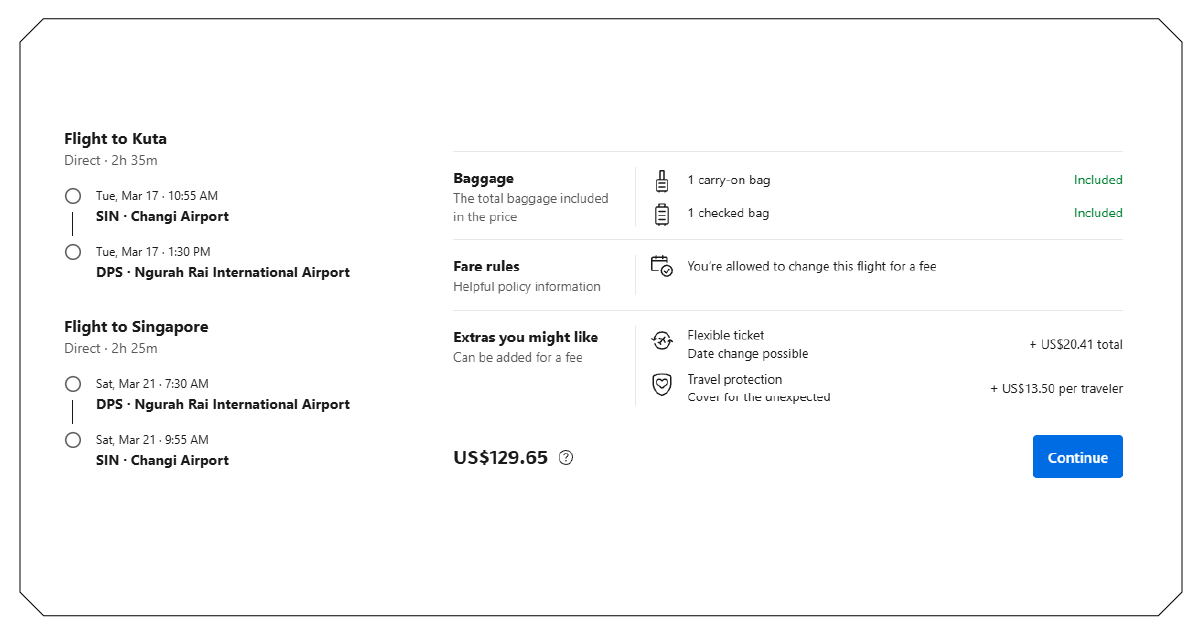
Bali airfare historical pricing analysis offers a structured approach to decoding airline ticket trends. Historical airfare data reveals how international events, currency fluctuations, and airline strategies have shaped the cost of travel to Bali. For instance, data from peak holiday periods, international festivals, and economic slowdowns show clear patterns in ticket pricing.
By leveraging historical airline ticket prices to Bali, travel companies can forecast future pricing trends and recommend optimal booking periods to clients. The insights gained from these datasets are also critical for airlines to adjust seat inventory and for hotels and tourism operators to align promotions with travel affordability.
Global Flight Price Trends Dataset: A Multinational Perspective
To understand the dynamics of flight pricing to Bali, it is essential to examine trends from multiple countries. Using a Global Flight Price Trends Dataset, researchers can analyze how travelers from Australia, Singapore, Malaysia, China, Japan, and the USA experience different pricing patterns.
- Australia: Australians form one of the largest contingents of visitors to Bali. Historical airfare datasets indicate that flights from Sydney, Melbourne, and Brisbane see peak pricing during school holidays and long weekends. Airlines often deploy promotional pricing in shoulder seasons, which can be precisely identified through systematic data scraping.
- Singapore: Flights from Singapore to Bali are relatively short-haul but highly competitive. Historical airline ticket prices to Bali show that early bookings tend to secure the lowest fares, while last-minute travel often incurs a premium due to demand concentration in weekends and public holidays.
- Malaysia: Malaysia’s proximity to Indonesia ensures strong connectivity to Bali. Historical data highlights patterns in fare increases during festive seasons such as Hari Raya and school breaks, reflecting a surge in domestic and regional tourism.
- China: Chinese travelers contribute significantly to Bali’s inbound tourism. By analyzing historical airfare dataset for Bali, one can detect correlations between macroeconomic factors in China—like GDP growth or consumer confidence—and flight pricing trends to Bali.
- Japan: Japan’s outbound tourism trends show a preference for long-stay vacations. Bali airfare historical pricing analysis reveals a notable peak during Golden Week and national holidays, while off-season flights tend to be more affordable, offering insights for both tourists and travel planners.
- USA: Though the USA is a long-haul market, travelers from cities like Los Angeles, San Francisco, and New York represent high-value segments. By integrating real-time historical data, travel analysts can assess the impact of airline partnerships and seasonal demand on flight pricing to Bali.
Economic Insights from Past Data
Scraping and analyzing historical flight price trends provides more than just travel planning insights—it unlocks broader economic understanding. Airlines adjust prices based on factors like fuel costs, currency exchange rates, and passenger load factors. By observing changes over time, one can infer patterns in tourism spending, economic growth, and international demand.
For example, during global economic slowdowns, historical airfare datasets show reduced ticket prices to stimulate travel, whereas periods of economic boom correlate with increased fares. This correlation allows economists and tourism authorities to use method to Extract Bali tourism airfare economics as a proxy to gauge the health of both domestic and international tourism markets.
Furthermore, countries with strong outbound tourism—such as Australia and China—exhibit pricing patterns sensitive to their respective domestic economic conditions. Currency appreciation in the Australian dollar or Chinese yuan can lead to more affordable international travel, reflected in reduced airfare trends. Conversely, economic uncertainty or inflation tends to suppress outbound travel demand, which is observable in airline pricing datasets.
Real-Time Flight Data Scraping for Informed Decisions
To complement historical datasets, modern tools like Real-Time Flight Data Scraping API allow travel analysts to track and compare current flight prices against historical averages. This provides a dynamic understanding of pricing anomalies, airline promotions, and booking behavior trends.
Using Flight Price Data Intelligence, stakeholders can identify periods where airfare is unusually low or high compared to historical trends. For travel agencies, such intelligence is invaluable for optimizing package pricing and marketing campaigns. For travelers, it translates to cost-effective planning by predicting when flight tickets are most likely to be discounted.
Leveraging Historical Airfare Dataset for Bali
The accumulation of a structured Historical airfare dataset for Bali enables advanced analytics, including predictive modeling and demand forecasting. These datasets can also be segmented by origin country, class of service, airline, and booking window, offering granular insights into traveler behavior.
For instance, by analyzing long-term trends from Singapore and Malaysia, travel companies can create promotional strategies targeting specific periods. Similarly, insights from Japan and the USA help airlines design loyalty incentives and dynamic pricing models.
Tourism boards and hospitality providers also benefit from historical airfare analysis, as it highlights potential periods of high arrivals, enabling resource allocation and marketing campaigns to maximize engagement and revenue.
Bali Flight Routes and Pricing Analysis: Tools and Techniques
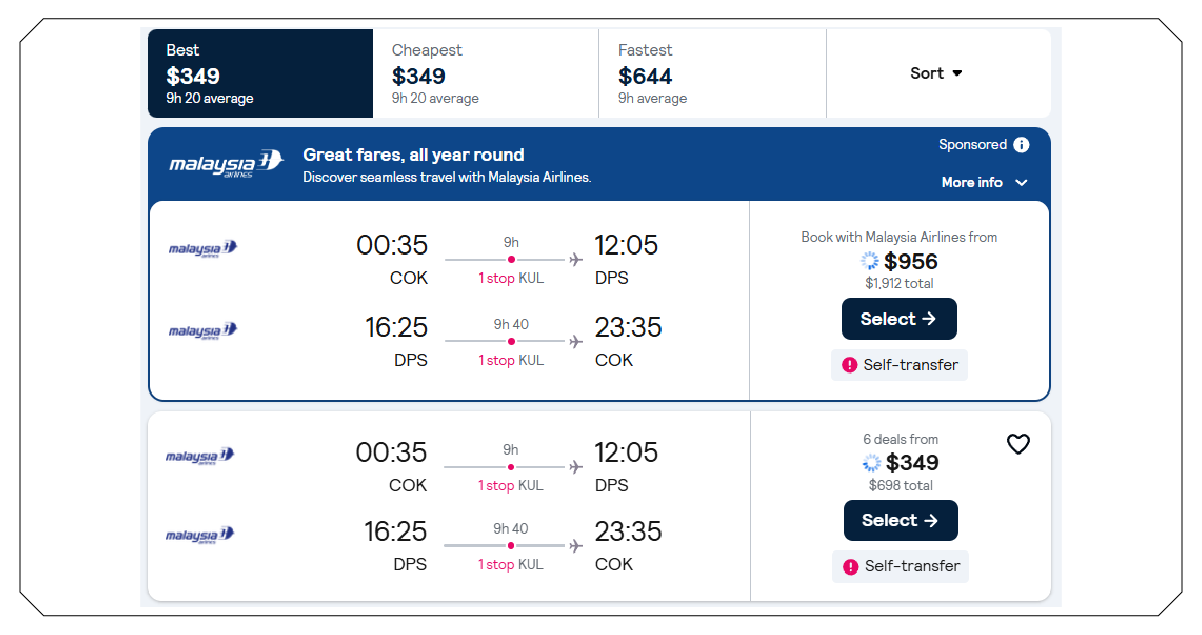
Combining historical and real-time data enables comprehensive analysis of Bali flight routes. Airlines frequently adjust seat availability and pricing on high-demand routes to optimize revenue. By employing analytics powered by historical datasets, one can monitor Flight Price Data Intelligence for various international connections, including popular corridors like Sydney-Denpasar, Singapore-Denpasar, Kuala Lumpur-Denpasar, Beijing-Denpasar, Tokyo-Denpasar, and Los Angeles-Denpasar.
Tour operators and data analytics firms increasingly rely on Bali Flight routes and pricing analysis API to identify lucrative routes, predict booking trends, and advise on strategic airfare adjustments. This not only enhances business intelligence but also supports broader economic planning for tourism-dependent regions.
Applications of Airline Data Scraping Services
Airline Data Scraping Services play a pivotal role in extracting, cleaning, and analyzing large volumes of airline data. These services automate the collection of historical ticket prices, seasonal trends, and route-specific insights. They also help integrate global datasets to generate comparative analysis across countries.
For businesses, this translates into actionable intelligence on competitive pricing strategies, promotional campaign efficacy, and route profitability. For economists, airline scraping datasets provide proxies for broader tourism and consumer behavior trends, allowing for a more accurate assessment of international economic activity impacting Bali’s tourism.
Key Insights from Scraped Historical Flight Price Data
By systematically analyzing historical flight prices, several patterns emerge:
- Seasonality: Peak travel periods such as school holidays, Golden Week, and festive seasons consistently show higher ticket prices.
- Promotions and Discounts: Airlines often deploy short-term discounts or flash sales, which can be tracked against historical averages to optimize booking strategies.
- Country-Specific Trends: Outbound demand is heavily influenced by local economic conditions, currency strength, and regional holidays.
- Airline-Specific Pricing: Certain airlines exhibit more dynamic pricing strategies, which can be predicted using historical airline ticket prices to Bali.
- Long-Term Growth: Comparing data over multiple years helps identify trends in Bali’s tourism appeal and global connectivity growth.
How Travel Scrape Can Help You?
1. Gain Complete Historical Data
Our services provide access to extensive historical records, allowing businesses to analyze trends over time. This helps in understanding patterns, seasonality, and fluctuations that impact decision-making.
2. Monitor Real-Time Changes
We offer real-time monitoring of relevant data, enabling you to track changes as they happen. This ensures timely responses to trends, opportunities, or sudden shifts in the market.
3. Understand Market Behavior by Region
We can extract data from multiple countries and regions, giving you insights into local demand patterns, customer preferences, and market behavior. This supports informed strategies tailored to different regions.
4. Predict Trends and Optimize Strategy
By analyzing past and current data, our services enable predictive modeling. Businesses can forecast trends, optimize pricing, plan campaigns, and improve overall performance.
5. Make Data-Driven Business Decisions
Beyond numbers, the insights we provide help organizations make smarter strategic choices. Understanding patterns and trends supports growth, efficiency, and better decision-making across operations.
Conclusion
In conclusion, the capability to Scrape Bali international flight price trends offers unparalleled advantages for travel businesses, airlines, and tourism authorities. Leveraging Bali Flight routes and pricing analysis API ensures real-time monitoring, while integrating historical datasets provides predictive insights for long-term planning.
Airline pricing intelligence derived from Airline Price Change Dataset allows stakeholders to react proactively to market fluctuations, optimize travel packages, and better understand the economic underpinnings of Bali’s tourism sector. By combining historical and real-time flight data, businesses can anticipate demand, enhance profitability, and improve traveler satisfaction.
From Australia to the USA, Singapore to Japan, and Malaysia to China, analyzing historical airfare datasets equips stakeholders with actionable insights to navigate the complex landscape of international travel to Bali.
As Bali continues to attract global visitors, the importance of robust flight price analysis cannot be overstated. Scraping and interpreting historical airfare trends empowers businesses to stay ahead of market dynamics while unlocking broader economic insights that drive sustainable tourism growth.
Ready to elevate your travel business with cutting-edge data insights? Scrape Aggregated Flight Fares to identify competitive rates and optimize your revenue strategies efficiently. Discover emerging opportunities with tools to Extract Travel Website Data, leveraging comprehensive data to forecast market shifts and enhance your service offerings. Real-Time Travel App Data Scraping Services helps stay ahead of competitors, gaining instant insights into bookings, promotions, and customer behavior across multiple platforms. Get in touch with Travel Scrape today to explore how our end-to-end data solutions can uncover new revenue streams, enhance your offerings, and strengthen your competitive edge in the travel market.
Unlock the Full Report
Enter your details to access premium pricing intelligence insights