How Can Real-Time Ride-Hailing Price Monitoring Help You Compare Grab Taxi, Bolt, and Uber Fares?
Introduction
The ride-hailing industry has become an essential part of urban mobility, transforming the way people commute in cities worldwide. Real-Time Ride-Hailing Price Monitoring provides critical insights for operators, fleet managers, and market analysts to understand fare fluctuations, optimize pricing, and improve service efficiency. With access to live pricing trends, businesses can make informed decisions that directly impact profitability and customer satisfaction.
In a dynamic environment like Southeast Asia, Bolt Car Rental Data Scraping allows analysts to gather extensive datasets on vehicle availability, trip rates, and regional fare patterns. This real-time visibility helps operators respond quickly to demand surges and adjust supply, ensuring better service quality during peak periods.
Similarly, Ride-hailing pricing data extraction enables companies to monitor trends across multiple platforms simultaneously. For example, Grab Taxi fares in Kuala Lumpur often rise during weekend evenings, while Uber rates in Singapore may increase during rainy weather. By leveraging this data, travel platforms can better understand local market behavior and make timely adjustments.
Why Real-Time Monitoring Is Essential?
Monitoring ride-hailing fares in real time is crucial for multiple reasons. Grabtaxi Car Rental Data Scraping captures hourly changes in fares, allowing operators to track high-demand periods and predict surge pricing events. Real-time monitoring ensures that pricing strategies remain competitive, especially during peak hours or major city events.
Using a Cab pricing intelligence dataset, businesses can identify patterns in driver supply, passenger demand, and fare trends. For instance, during national holidays, central city routes often experience elevated rates due to increased travel, while suburban trips maintain standard pricing. These insights allow companies to allocate drivers efficiently and maximize profitability.
Key Elements of Ride-Hailing Datasets
A robust ride-hailing dataset typically includes:
- Fare details: Base fare, per-kilometer charges, time-based pricing, and surge multipliers.
- Trip information: Pickup and drop-off locations, distance, duration, and time of day.
- Vehicle type: Economy, premium, shared, or luxury services.
- Supply and demand metrics: Number of active drivers, pending ride requests, and peak usage periods.
- Customer reviews and ratings: Feedback on driver performance, service quality, and overall experience.
For example, in Jakarta, Uber trip analysis shows higher fares for airport rides in the early morning, while downtown routes see stable fares during mid-day hours. Understanding these patterns helps operators optimize route coverage and pricing strategies.
Leveraging Data Scraping for Insights
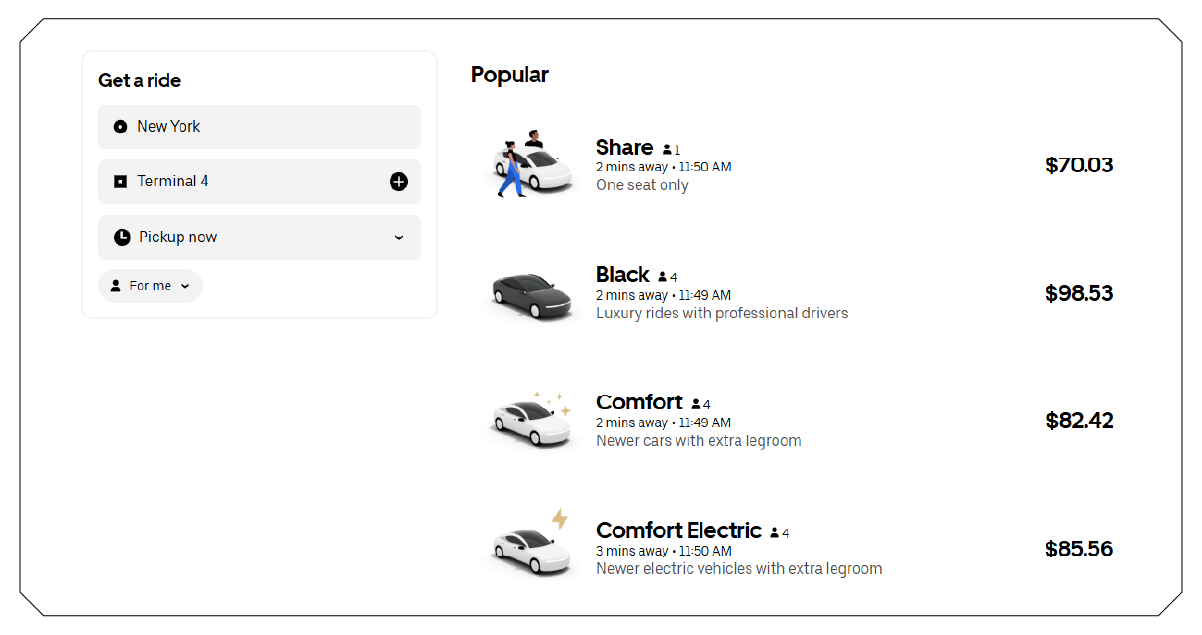
Uber Rentals Car Rental Data Scraping allows operators and analysts to extract structured fare information, track competitor pricing, and analyze historical trends. This is especially valuable when comparing multiple platforms like Grab, Bolt, and Uber in a single city.
At the same time, Scraping Grab taxi prices data provides critical insights into market positioning, peak-demand zones, and passenger preferences. Comparing fare trends across platforms allows operators to identify pricing gaps, optimize promotions, and increase ride adoption.
By combining Car Rental Data Scraping with intelligent dashboards, companies can monitor live data feeds, detect sudden fare changes, and take proactive measures to adjust rates, improve driver allocation, and enhance customer experience.
Practical Applications
Real-time ride-hailing data has many applications for businesses and analysts:
- Event management: Monitoring fares during concerts, festivals, and sports events helps allocate drivers efficiently.
- Airport trips and city routes: Tracking high-traffic areas ensures competitive pricing and reduced passenger wait times.
- Dynamic promotions: Operators can offer discounts or incentives based on historical fare trends and current demand.
- Urban planning and analytics: City authorities can use ride-hailing data to understand traffic flows, congestion, and transportation demand.
For instance, analyzing Grab and Uber fares in Bangkok highlights peak areas during late-night hours, while Bolt sees consistent pricing across the same routes. This comparative insight allows operators to make targeted decisions and adjust services for maximum efficiency.
Comparative Insights Between Platforms
Tracking Grabtaxi Car Rental Data Scraping, Bolt, and Uber together allows businesses to benchmark fares and understand passenger preferences. Key observations include:
- Differences in base fares and distance charges between platforms.
- Surge pricing trends during special events or weather disruptions.
- Popular vehicle categories for specific routes or cities.
- Real-time availability of drivers versus passenger demand.
In Ho Chi Minh City, Bolt often offers slightly lower fares than Uber for shared rides, while Grab dominates premium ride requests during morning peak hours. Using this intelligence, operators can strategically adjust pricing, promotions, and fleet deployment.
Benefits of Real-Time Price Monitoring
Implementing Uber prices data extraction and real-time analytics provides multiple advantages:
- Revenue maximization: Dynamic pricing ensures optimal rates based on current market conditions.
- Competitive benchmarking: Analyze competitor fares to maintain market positioning.
- Operational efficiency: Better allocation of drivers reduces idle time and improves coverage.
- Enhanced customer satisfaction: Transparent and optimized pricing improves passenger trust and loyalty.
By combining historical data with real-time monitoring, operators can anticipate fare spikes, prepare for demand surges, and maintain consistent service quality across multiple platforms.
Future Trends in Ride-Hailing Analytics
The ride-hailing market is evolving rapidly, and Real-Time Ride-Hailing Price Monitoring will remain a critical tool. Emerging trends include:
- AI-driven predictive analytics for fare optimization and demand forecasting.
- Multi-platform fare monitoring to provide passengers with the best rates and service options.
- Integration with urban mobility planning for smarter cities and reduced congestion.
Operators leveraging Bolt Car Rental Data Scraping and advanced analytics tools can proactively manage supply, improve customer experience, and stay ahead of competitors.
How Travel Scrape Can Help You?
1. Real-Time Market Intelligence
Our data scraping services provide up-to-date insights from multiple platforms, helping you monitor pricing trends, competitor rates, and customer behavior instantly.
2. Data-Driven Decision Making
By delivering structured and accurate datasets, we enable you to make informed decisions for pricing, inventory management, and strategic planning.
3. Save Time and Reduce Costs
Automated data extraction eliminates manual research, reducing operational effort while increasing efficiency and accuracy across large datasets.
4. Gain Competitive Advantage
Monitor competitor offerings, promotions, and market positioning to identify opportunities, adjust strategies, and stay ahead in your industry.
5. Customized Analytics for Your Needs
We provide tailored datasets and insights designed for your business objectives, supporting forecasting, trend analysis, and data-driven growth strategies.
Conclusion
In conclusion, Bolt ride price monitoring allows ride-hailing operators to track fare changes accurately and respond to market fluctuations. When combined with City-level ride-hailing fare analysis, businesses can optimize driver deployment, reduce idle time, and enhance operational efficiency. Additionally, a Car Rental Price Trends Dataset provides long-term insights into seasonal and event-driven fare fluctuations, helping companies plan strategically.
Real-time monitoring across Grab, Bolt, and Uber ensures businesses remain competitive, meet passenger expectations, and maximize revenue opportunities. By integrating advanced scraping techniques, structured datasets, and intelligent analytics, ride-hailing operators can gain a comprehensive understanding of market dynamics and deliver superior services in an ever-growing industry.
Ready to elevate your travel business with cutting-edge data insights? Scrape Aggregated Flight Fares to identify competitive rates and optimize your revenue strategies efficiently. Discover emerging opportunities with tools to Extract Travel Website Data, leveraging comprehensive data to forecast market shifts and enhance your service offerings. Real-Time Travel App Data Scraping Services helps stay ahead of competitors, gaining instant insights into bookings, promotions, and customer behavior across multiple platforms. Get in touch with Travel Scrape today to explore how our end-to-end data solutions can uncover new revenue streams, enhance your offerings, and strengthen your competitive edge in the travel market.
Unlock the Full Report
Enter your details to access premium pricing intelligence insights