How Is Predicting Flight Price Using AI Changing Airline Pricing Strategies?
Introduction
Airfare pricing has evolved into one of the most complex pricing systems in the digital economy. Prices shift multiple times a day, influenced by demand signals, route competition, inventory pressure, and traveler behavior. In this environment, Predicting Flight Price Using AI has become essential for airlines, online travel agencies, and analytics firms aiming to stay competitive. AI-powered pricing models analyze vast volumes of structured and unstructured data to forecast fare movements with increasing accuracy, allowing businesses and travelers alike to make smarter decisions.
Behind these predictive systems lies a strong data foundation supported by Airline Data Scraping Services, which continuously collect fare information from airline websites, OTAs, and metasearch platforms. These services make it possible to extract Predict flight ticket prices insights by converting raw listings into machine-readable datasets that feed advanced forecasting models.
Why Flight Price Prediction Is Inherently Difficult?
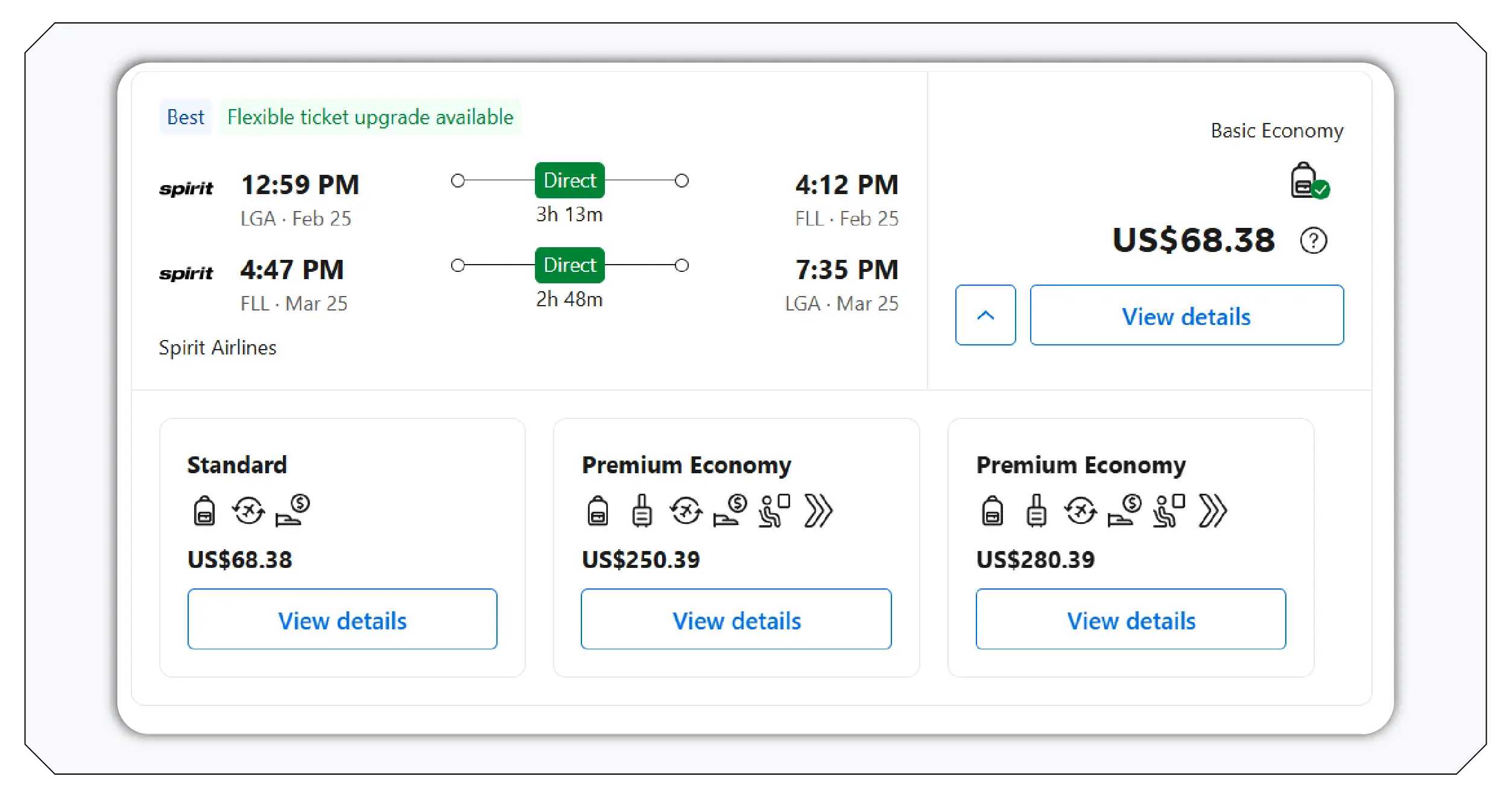
Unlike traditional retail pricing, airline fares are dynamic and context-sensitive. The price of a seat depends not just on distance, but also on booking timing, fare class availability, seasonal demand, competitor actions, and even user behavior. A single route can display dozens of price changes within hours, making manual analysis ineffective.
AI models thrive in this complexity by identifying hidden patterns across large datasets. They analyze historical trends alongside live signals to estimate future price movements, helping businesses anticipate fare changes before they occur.
Building the Data Backbone for Accurate Predictions
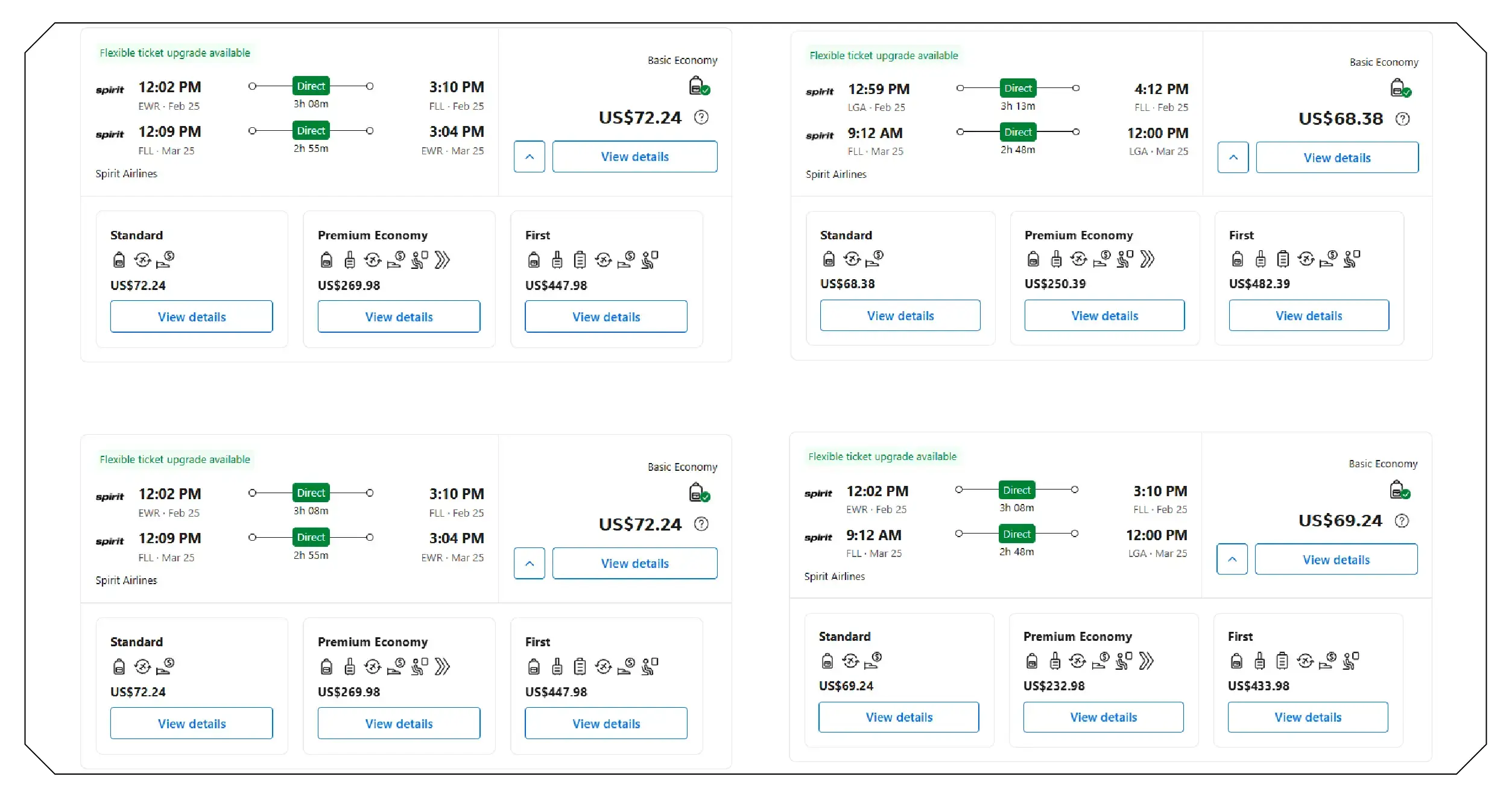
High-performing AI models depend on comprehensive datasets that capture long-term trends across regions, carriers, and routes. A critical input for these systems is the Global Flight Price Trends Dataset, which aggregates historical airfare data across domestic and international markets. This dataset helps AI understand seasonality, regional pricing behaviors, and long-term demand cycles that influence fare stability or volatility.
By training on such datasets, prediction systems can identify recurring patterns—such as when prices typically drop for specific routes or when peak pricing windows emerge—enabling forward-looking insights rather than reactive analysis.
From Raw Prices to Predictive Signals
Collecting data alone is not enough; it must be processed into actionable intelligence. Advanced scraping and analytics workflows enable organizations to Scrape Flight fare trend prediction signals by continuously tracking fare changes and correlating them with time, availability, and competitor behavior.
AI models then convert these signals into probability-based forecasts, estimating whether prices are likely to rise, fall, or stabilize. This approach shifts airfare analysis from static reporting to predictive intelligence that evolves with market conditions.
How AI Interprets Flight Price Data?
Modern airfare prediction systems use a combination of machine learning techniques, including time-series forecasting, regression analysis, and neural networks. These models rely heavily on enriched datasets generated through Flight Price Data Intelligence, which standardizes fare information across airlines, currencies, and booking classes.
This intelligence layer ensures that AI models compare prices accurately while accounting for contextual variables such as route popularity, travel purpose, and booking urgency. The result is a far more nuanced understanding of pricing behavior than traditional rule-based systems can deliver.
The Importance of Live Pricing Signals
While historical data establishes baseline trends, live signals dramatically improve prediction accuracy. AI systems increasingly rely on Real-time flight price tracking to monitor fare movements as they happen, allowing models to adjust forecasts instantly when market conditions change.
This real-time visibility is particularly valuable during high-demand periods such as holidays, major events, or sudden disruptions. By combining live tracking with predictive modeling, platforms can notify users about optimal booking windows or impending price hikes.
Understanding Volatility Through Price Change Patterns
Not all routes experience the same level of price volatility. Some routes show stable pricing behavior, while others fluctuate frequently due to intense competition or limited inventory. The Airline Price Change Dataset plays a crucial role in helping AI models understand these dynamics by capturing how often prices change, by how much, and under what conditions.
Analyzing price-change frequency allows prediction systems to estimate volatility risk and forecast the likelihood of sudden fare increases or drops, improving both consumer guidance and airline pricing strategies.
Route-Level Forecasting for Greater Precision
Generalized prediction models often miss nuances that are unique to specific routes. To address this, AI systems perform Route-wise flight fare prediction analysis, examining individual routes based on competition density, airline dominance, historical demand, and seasonal behavior.
This route-level intelligence enables airlines to optimize pricing strategies more effectively and helps travel platforms provide personalized insights tailored to specific travel corridors rather than broad market averages.
Business Applications of AI-Based Flight Price Prediction
AI-driven airfare forecasting has transformed multiple segments of the travel industry. Airlines use prediction models to optimize yield management and seat allocation, while OTAs enhance conversion rates by offering predictive booking recommendations. Corporate travel managers rely on forecasts to plan budgets, and market analysts use predictive insights to monitor competitive pricing trends across regions.
All these applications depend on continuous data ingestion, model retraining, and real-time validation to maintain accuracy in fast-changing markets.
Key Challenges in AI-Powered Fare Prediction
Despite its advantages, flight price prediction faces several challenges. Airlines frequently update their pricing logic, anti-scraping measures can disrupt data collection, and market shocks can introduce sudden anomalies. Maintaining model accuracy requires robust infrastructure, adaptive learning systems, and high-quality data pipelines capable of handling scale and volatility.
Organizations that invest in resilient data extraction and continuous model optimization gain a significant competitive edge in airfare intelligence.
The Future of AI in Airfare Analytics
As AI technology advances, flight price prediction will move beyond forecasting into prescriptive analytics—recommending optimal pricing actions rather than simply predicting outcomes. Future models will integrate traveler behavior, loyalty data, and macroeconomic indicators to deliver even more accurate and personalized insights.
Real-time adaptability will remain central, ensuring predictions stay aligned with live market behavior rather than outdated assumptions.
How Travel Scrape Can Help You?
1. Comprehensive data coverage:
OrbData Scraping Services collect large-scale, structured data across multiple platforms, ensuring complete market visibility for accurate analysis and decision-making.
2. Real-time market intelligence:
With continuous data extraction, OrbData Scraping Services help you monitor live changes, detect trends early, and respond faster to market shifts.
3. High data accuracy and reliability:
Advanced validation techniques ensure clean, consistent, and dependable datasets that reduce errors and improve analytical outcomes.
4. Scalable and customizable solutions:
OrbData Scraping Services adapt to your business needs, whether you require route-level insights, competitive tracking, or long-term historical datasets.
5. Actionable insights for growth:
By transforming raw data into usable intelligence, OrbData Scraping Services support smarter strategies, improved forecasting, and stronger competitive advantage.
Conclusion
The evolution of airfare analytics demonstrates how AI has reshaped one of the most complex pricing environments in the global economy. Comparing Historical vs real-time flight price prediction reveals how modern systems now blend long-term trends with live signals to deliver actionable intelligence.
At the foundation of these systems lies reliable flight Tickets fare data scraping, which ensures AI models have continuous access to accurate, structured pricing information across platforms. To scale this intelligence effectively, businesses increasingly rely on a Real-Time Flight Data Scraping API, enabling seamless data flow into predictive models that power smarter pricing decisions across the travel ecosystem.
Ready to elevate your travel business with cutting-edge data insights? Scrape Aggregated Flight Fares to identify competitive rates and optimize your revenue strategies efficiently. Discover emerging opportunities with tools to Extract Travel Website Data, leveraging comprehensive data to forecast market shifts and enhance your service offerings. Real-Time Travel App Data Scraping Services helps stay ahead of competitors, gaining instant insights into bookings, promotions, and customer behavior across multiple platforms. Get in touch with Travel Scrape today to explore how our end-to-end data solutions can uncover new revenue streams, enhance your offerings, and strengthen your competitive edge in the travel market.
Unlock the Full Report
Enter your details to access premium pricing intelligence insights