How Does Historical Hotel Data Scraping Revolutionize Travel Research and Market Forecasting?
Introduction
In today’s data-driven travel industry, insights extracted from past trends have become a cornerstone for decision-making. Whether for pricing, demand forecasting, or guest experience optimization, Historical hotel data scraping plays a crucial role in shaping how businesses and researchers understand the global hospitality landscape. It involves systematically collecting and analyzing archived hotel data from various sources, providing a window into long-term performance patterns and consumer behavior.
Furthermore, detailed feedback records form an integral component of such analysis. A well-organized Hotel Guest Review Dataset reveals not just the sentiment behind each stay, but also the quality metrics that drive guest loyalty and influence hotel reputation management across digital platforms.
The rise of dynamic digital travel markets has further increased the need for Web scraping hotel booking history, enabling analysts to study booking flows, cancellations, rate adjustments, and consumer preferences over extended periods. By aligning this historical intelligence with real-time hotel datasets, travel researchers can build predictive models that offer remarkable foresight into market evolution.
The Strategic Value of Historical Hotel Data
Hotels and online travel agencies generate massive volumes of data daily — including bookings, rates, occupancy, and customer interactions. Yet, the real value emerges when this data is collected, cleaned, and structured over time. Through Hotel Data Scraping Services, this historical data can be transformed into actionable insights that guide marketing campaigns, pricing strategies, and operational improvements.
Historical datasets help researchers and analysts understand:
- Long-term occupancy cycles across destinations.
- Rate fluctuations influenced by seasons, holidays, and economic events.
- Booking window behaviors, identifying how far in advance travelers book stays.
- Competitor pricing evolution across regions or brand categories.
Building Predictive Models with Occupancy Intelligence
A robust Hotel occupancy research dataset empowers analysts to identify relationships between occupancy levels and multiple influencing variables like local events, flight availability, or weather conditions. Such data also helps in designing accurate predictive models for revenue management systems (RMS).
For instance, by combining occupancy data from multiple hotels over five years, analysts can predict how certain destinations perform during specific periods. This kind of dataset supports:
- Revenue forecasting for property owners and OTAs.
- Market benchmarking across regions.
- Supply-demand balancing, ensuring optimal pricing.
- Travel trend forecasting, supporting agencies and tourism boards.
By leveraging historical occupancy insights, hotel brands can dynamically adjust their inventory strategies to maximize returns while maintaining guest satisfaction.
Analyzing Market Behavior through Room Price Evolution
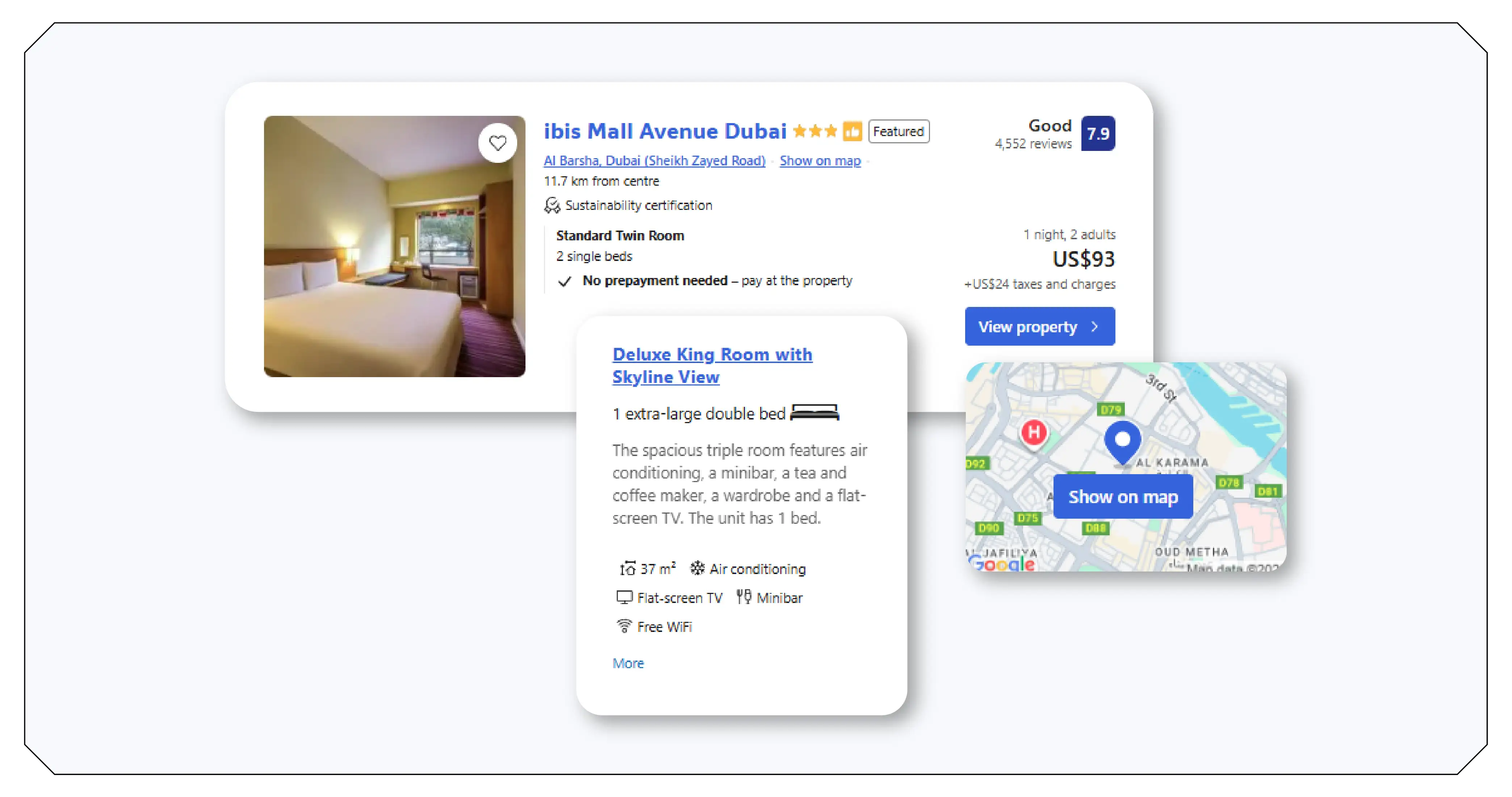
Tracking room pricing evolution requires a comprehensive Hotel Room Price Trends Dataset, which offers historical information on nightly rates, promotional discounts, and booking conditions. This dataset allows analysts to measure price elasticity and competitive positioning across different hospitality segments — from budget accommodations to luxury suites.
Understanding room price dynamics enables stakeholders to:
- Compare rate structures across booking platforms.
- Identify early indicators of price wars or market saturation.
- Examine how macroeconomic factors (like inflation or fuel prices) affect hotel costs.
- Align marketing and discount strategies with historical performance.
When combined with demand data, historical room pricing can reveal the thresholds where guests perceive value versus overpricing — a key aspect of yield management.
The Importance of Scraping Hotel Pricing Trends
The travel industry is notoriously competitive, with thousands of listings updating every minute. That’s why Web scraping Hotel pricing trends has become essential for maintaining an up-to-date perspective on the market. Data scientists can track not only the current rates but also the pace and direction of price changes over time.
Key benefits include:
- Detecting real-time competitor adjustments across OTAs.
- Comparing multi-platform price discrepancies.
- Identifying consumer-friendly deals during seasonal dips.
- Monitoring rate integrity across different distribution channels.
For researchers, these scraped datasets form the foundation for analytics dashboards that highlight correlations between rate volatility and booking behavior.
Understanding Availability and Supply Dynamics
A Hotel Availability Forecast Dataset serves as a vital tool for travel agencies and analysts who aim to understand room inventory patterns over time. It captures how availability changes in response to bookings, cancellations, or market demand shifts. This data helps travel researchers forecast supply bottlenecks and anticipate traveler flow during peak and off-peak seasons.
Applications include:
- Predicting accommodation shortages during major events.
- Studying seasonal variations in property listings.
- Measuring the resilience of supply chains after disruptions.
- Assessing the impact of online promotions on occupancy rates.
This availability data, when cross-referenced with pricing and review datasets, provides a holistic picture of hotel performance and competitiveness.
Extracting Insights from Room Rate Intelligence
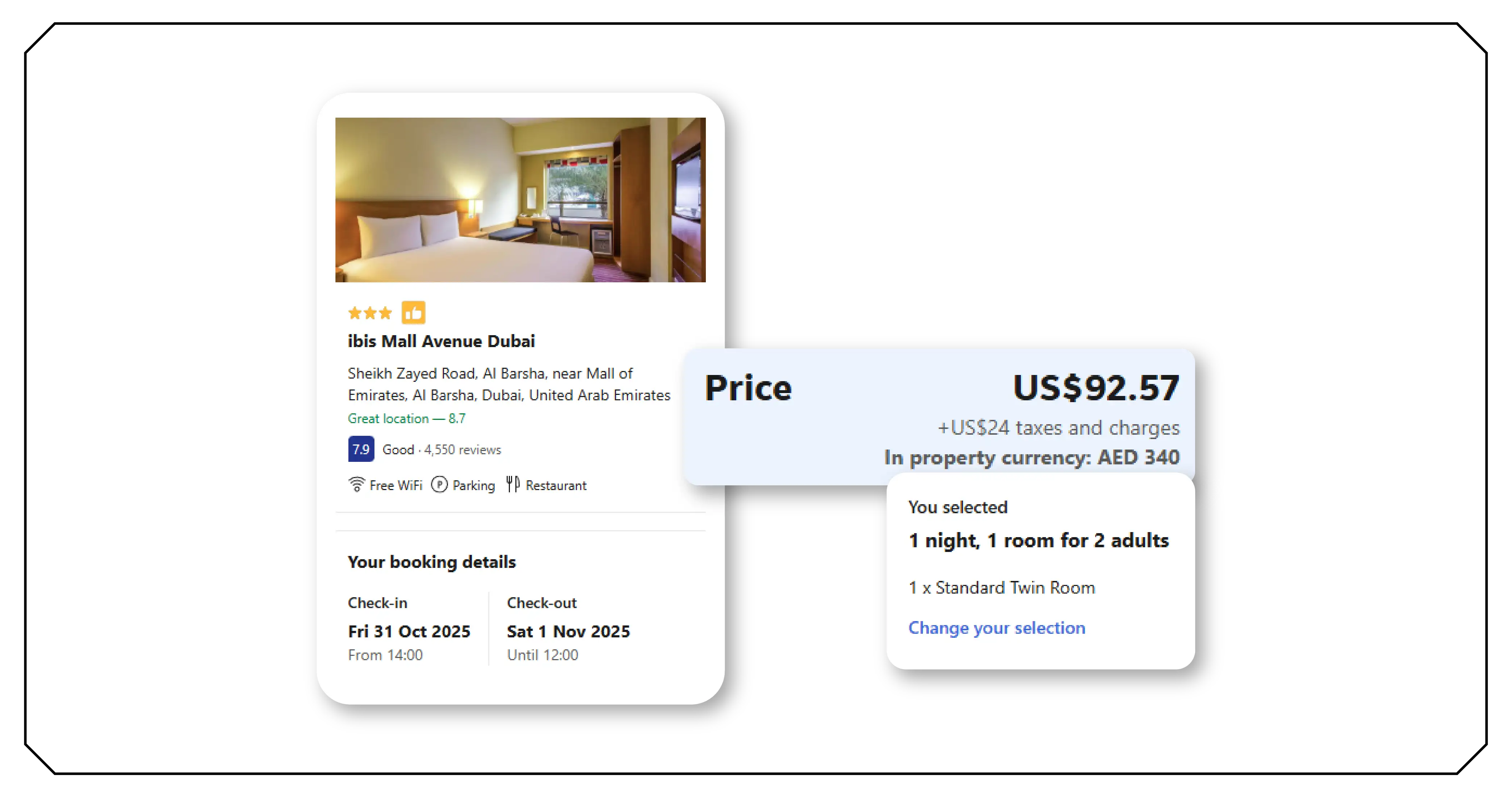
Data analysts increasingly Extract Historical room rate intelligence to understand how hotels optimize their pricing strategies over time. This involves collecting not just the advertised rates but also metadata such as room type, cancellation policies, breakfast inclusions, and dynamic discounts.
By mining historical rate intelligence, travel researchers can uncover:
- The influence of market demand on short-term pricing adjustments.
- How competitor behavior drives rate decisions.
- Revenue optimization patterns in different geographic clusters.
- Consumer response to pricing signals and promotions.
Such intelligence is essential for AI-driven pricing engines that recommend optimal rates for hoteliers in highly competitive markets.
The Role of Hotel Price Data Scraping in Industry Benchmarking
Hotel Price Data Scraping is not merely about collecting prices — it’s about contextualizing them within larger market frameworks. Benchmarking against competitors, evaluating brand positioning, and tracking cost competitiveness are all made possible through comprehensive price scraping.
By compiling datasets from multiple OTAs and meta-search engines, analysts can build powerful comparative models that answer crucial questions such as:
- How does a specific hotel’s rate compare to others in its city or category?
- What’s the historical deviation between direct booking rates and OTA listings?
- Which global events most strongly impact pricing dynamics?
Benchmarking enables both micro and macro-level insights, providing a foundation for data-backed strategic planning.
OTA Pricing Patterns and Market Fluidity
Another major application of historical data analytics lies in studying OTA hotel data pricing. Online travel agencies continuously adjust their pricing models in response to global trends, currency fluctuations, and customer behavior. Through long-term scraping of OTA platforms, analysts can detect these patterns and identify where margin compression or expansion occurs.
Such studies help answer:
- How frequently do OTAs adjust rates relative to supplier changes?
- Do smaller regional OTAs exhibit different pricing volatility compared to global giants?
- What correlations exist between OTA pricing policies and hotel brand loyalty?
By tracking OTA behavior historically, travel analytics professionals gain insights into the ever-changing balance between distribution cost and profitability.
Transforming Data into Actionable Insights
Collecting historical hotel data is only the first step. The true transformation occurs when these datasets are cleaned, normalized, and analyzed. Machine learning algorithms and visualization tools can transform millions of data points into clear trends, actionable recommendations, and performance forecasts.
Analysts can use these insights to:
- Predict demand spikes before holidays or events.
- Identify underperforming regions needing promotional focus.
- Anticipate competitor moves using past pricing cycles.
- Model long-term revenue outcomes under different economic scenarios.
In this sense, historical scraping isn’t just about past information — it’s about future prediction and strategic resilience.
Supporting Travel Research and Academic Studies
Universities, travel think tanks, and policy researchers rely heavily on historical datasets to understand tourism patterns. Longitudinal hotel data provides crucial insights into topics like destination competitiveness, the economic impact of tourism, or sustainability shifts in traveler preferences.
For researchers, structured hotel datasets serve as:
- Evidence for market modeling and demand forecasting.
- Empirical foundations for tourism economic studies.
- Training material for AI models in hospitality analytics.
These applications demonstrate how data scraping bridges the gap between academic research and real-world industry practices.
Data Visualization and Reporting for Travel Stakeholders
Raw data, when visualized effectively, tells powerful stories. Analysts working with historical hotel datasets often develop interactive dashboards that display pricing heatmaps, availability curves, and guest sentiment evolution over time.
Such visualizations allow:
- Hotel chains to quickly assess portfolio-wide performance.
- Travel agencies to identify trending destinations.
- Tourism boards to allocate resources based on evidence.
- Policy planners to design tourism strategies aligned with demand dynamics.
Visualization turns complex scraped data into easily interpretable insights, fostering collaboration between data scientists and decision-makers.
Data Integration and Multisource Analysis
One of the strengths of modern data scraping lies in integrating diverse datasets — including booking histories, reviews, and room pricing — into a unified analytical framework. When combined with external data like weather, flight schedules, and local events, the accuracy of predictive travel analytics increases exponentially.
Integrated analysis enables:
- Cross-domain correlation between hotel and flight demand.
- Contextual insights linking review sentiment with pricing fluctuations.
- Comprehensive travel experience modeling across multiple touchpoints.
By merging structured and unstructured data, travel researchers achieve a panoramic view of the hospitality ecosystem.
Ethical and Legal Considerations
As with any data collection process, responsible scraping practices are critical. Researchers must ensure compliance with data privacy regulations, terms of service, and intellectual property laws. Ethical frameworks promote transparency and ensure that the use of scraped data remains within the boundaries of fair use and public information standards.
Recommended best practices include:
- Respecting robots.txt and rate limits.
- Using publicly available data only.
- Anonymizing personally identifiable information.
- Clearly attributing data sources in academic or commercial use.
Following these principles safeguards both the data collector and the integrity of the research.
Challenges in Historical Hotel Data Collection
While the benefits are vast, scraping and maintaining historical hotel datasets present challenges. Websites frequently change structures, anti-scraping mechanisms evolve, and massive data volumes require efficient storage solutions.
Common challenges include:
- Data inconsistency due to source changes.
- Geographic coverage limitations across regions.
- Complexity of rate variations (e.g., tax, currency, policy).
- Quality assurance for large-scale datasets.
Overcoming these obstacles involves using adaptive scraping frameworks, periodic dataset validation, and robust cloud-based storage architectures.
Future of Hotel Data Analytics
The next generation of hotel analytics will be powered by automation, AI, and predictive intelligence. As scraping technologies mature, analysts will gain real-time access to longitudinal datasets that dynamically update.
Emerging applications include:
- AI-driven rate recommendation engines.
- Predictive maintenance and staffing optimization.
- Destination forecasting using sentiment and pricing fusion.
- Sustainability analytics in hospitality operations.
Such innovations will continue to redefine the boundaries of what travel analytics can achieve.
How Travel Scrape Can Help You?
- Comprehensive Market Insights: Gain access to real-time and historical hotel pricing, availability, and occupancy data across multiple online platforms.
- Competitive Benchmarking: Monitor competitor rates, promotions, and inventory changes to refine your own pricing and positioning strategies.
- Demand Forecasting: Use historical booking and review trends to predict peak travel seasons and customer demand patterns accurately.
- Custom Datasets: Receive tailored hotel datasets, including reviews, amenities, and location intelligence, specific to your research or business goals.
- Data-Driven Decisions: Empower your revenue management, marketing, and strategy teams with accurate, structured, and actionable hotel intelligence data.
Conclusion
The power of historical hotel datasets lies in their ability to connect the dots between past performance and future potential. OTA hotel data pricing Scraping not only reveals market evolution but also helps organizations align strategy with evidence-based insights. As analysts refine models that combine pricing, review, and availability data, the travel industry gains unprecedented forecasting precision.
By maintaining large repositories of Scraped hotel rate and availability, researchers and companies can accurately model demand fluctuations, predict seasonal surges, and optimize pricing at scale. These datasets form the analytical backbone for both public and private sector innovation, enabling smarter tourism development and data-informed decision-making.
Ultimately, the integration of Travel & Tourism Datasets with hotel pricing, occupancy, and review data transforms the fragmented world of hospitality into a measurable, interpretable, and predictable ecosystem. Through meticulous historical data scraping, the future of travel analytics becomes not just reactive, but proactively intelligent — guiding every strategic choice with the wisdom of the past.
Ready to elevate your travel business with cutting-edge data insights? Scrape Aggregated Flight Fares to identify competitive rates and optimize your revenue strategies efficiently. Discover emerging opportunities with tools to Extract Travel Website Data, leveraging comprehensive data to forecast market shifts and enhance your service offerings. Real-Time Travel App Data Scraping Services helps stay ahead of competitors, gaining instant insights into bookings, promotions, and customer behavior across multiple platforms. Get in touch with Travel Scrape today to explore how our end-to-end data solutions can uncover new revenue streams, enhance your offerings, and strengthen your competitive edge in the travel market.
Unlock the Full Report
Enter your details to access premium pricing intelligence insights