How Does a Historical Airline Fare Dataset Reveal Booking Window Trends?
Introduction
The aviation industry operates in one of the most dynamic pricing environments in the world. Ticket prices fluctuate daily—sometimes hourly—based on demand, route popularity, competition, fuel costs, seasonality, and booking windows. To understand these fluctuations in depth, businesses and researchers rely on structured datasets that track historical airfare information over time.
A well-structured Historical Airline Fare Dataset provides comprehensive insights into ticket pricing patterns across routes, airlines, and booking timelines. Combined with an Airline Price Change Dataset, stakeholders can observe how fares evolve from the day tickets are released until departure. Through detailed Historical Airline Fare Booking Date Analysis, analysts uncover patterns in booking behavior, peak purchase windows, and optimal pricing strategies.
In this blog, we’ll explore how historical airline datasets help decode pricing behavior, analyze routes, monitor flight schedules, and drive intelligent decision-making across airlines, travel platforms, and data-driven enterprises.
Understanding Historical Airline Fare Data
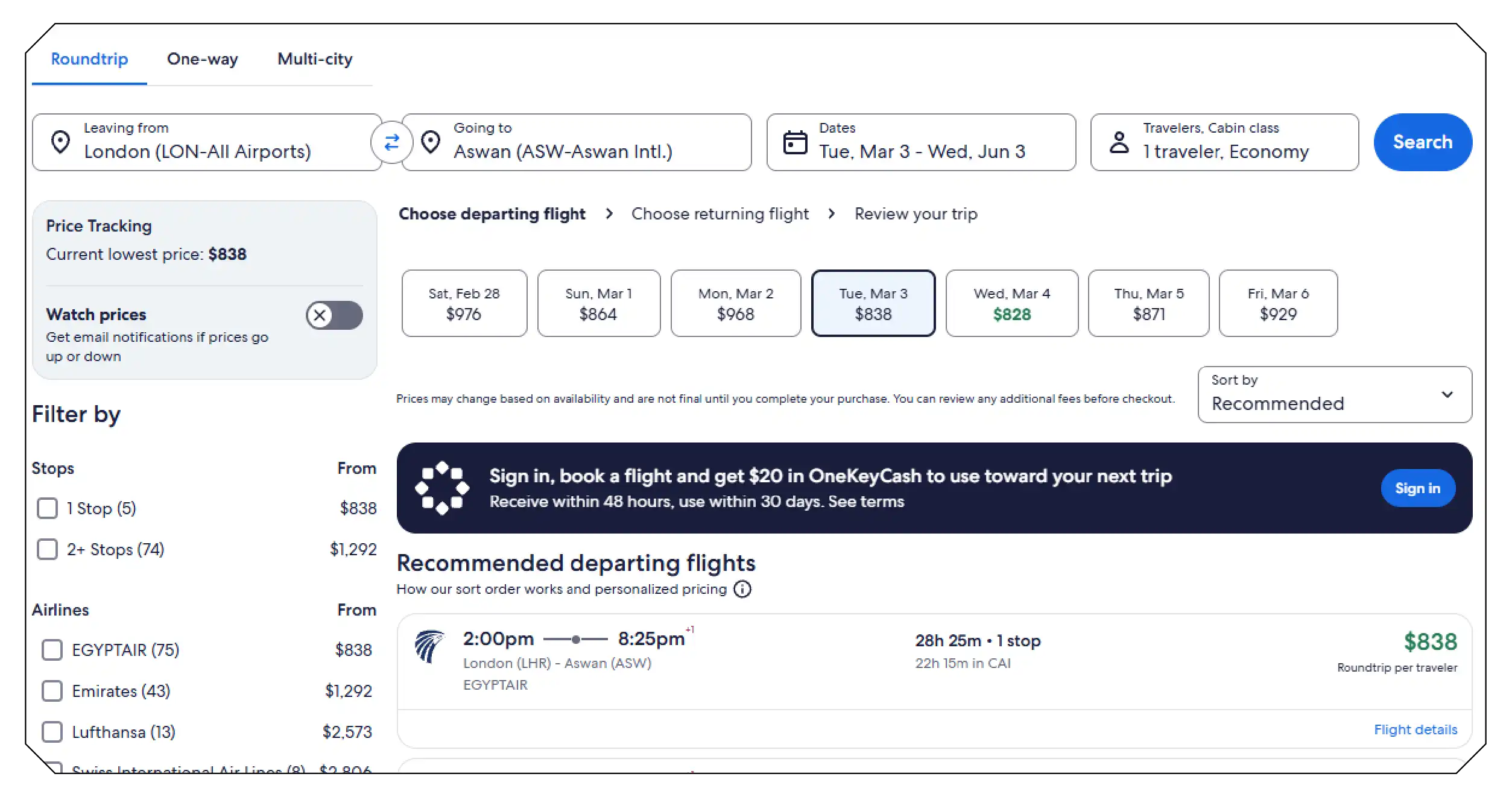
A historical airline dataset typically captures ticket price snapshots across multiple dimensions:
- Booking date
- Departure date
- Route (origin–destination pair)
- Airline carrier
- Cabin class
- Flight number
- Stopover information
- Fare type (refundable, non-refundable)
- Taxes and surcharges
By storing repeated fare observations for the same route and departure date, analysts can track how prices change over time.
Unlike static pricing tables, historical datasets allow stakeholders to analyze price volatility. For example, how does a Delhi–Mumbai fare behave 90 days before departure versus 7 days prior? Do prices spike predictably before holidays? Does a low-cost carrier consistently undercut legacy airlines on certain routes?
These are not theoretical questions—they are answerable with properly structured historical data.
Booking Date Analysis and the Flight Booking Window
One of the most critical components of airline pricing analytics is the booking window—the number of days between ticket purchase and departure.
Through booking date analysis, businesses can:
- Identify optimal booking periods for lowest fares
- Track last-minute price surges
- Measure average booking lead time per route
- Compare booking window behavior across airlines
- Predict revenue based on booking curve trends
For instance, leisure travelers often book 30–60 days in advance, while business travelers may book within 7–14 days of departure. These behavioral patterns directly impact fare structures.
Companies that scrape Historical Flight Booking Window Data can build dynamic models that forecast demand curves and revenue potential. Airlines use this insight for yield management, while travel platforms use it to recommend “best time to book” alerts.
Route-Level Pricing Behavior
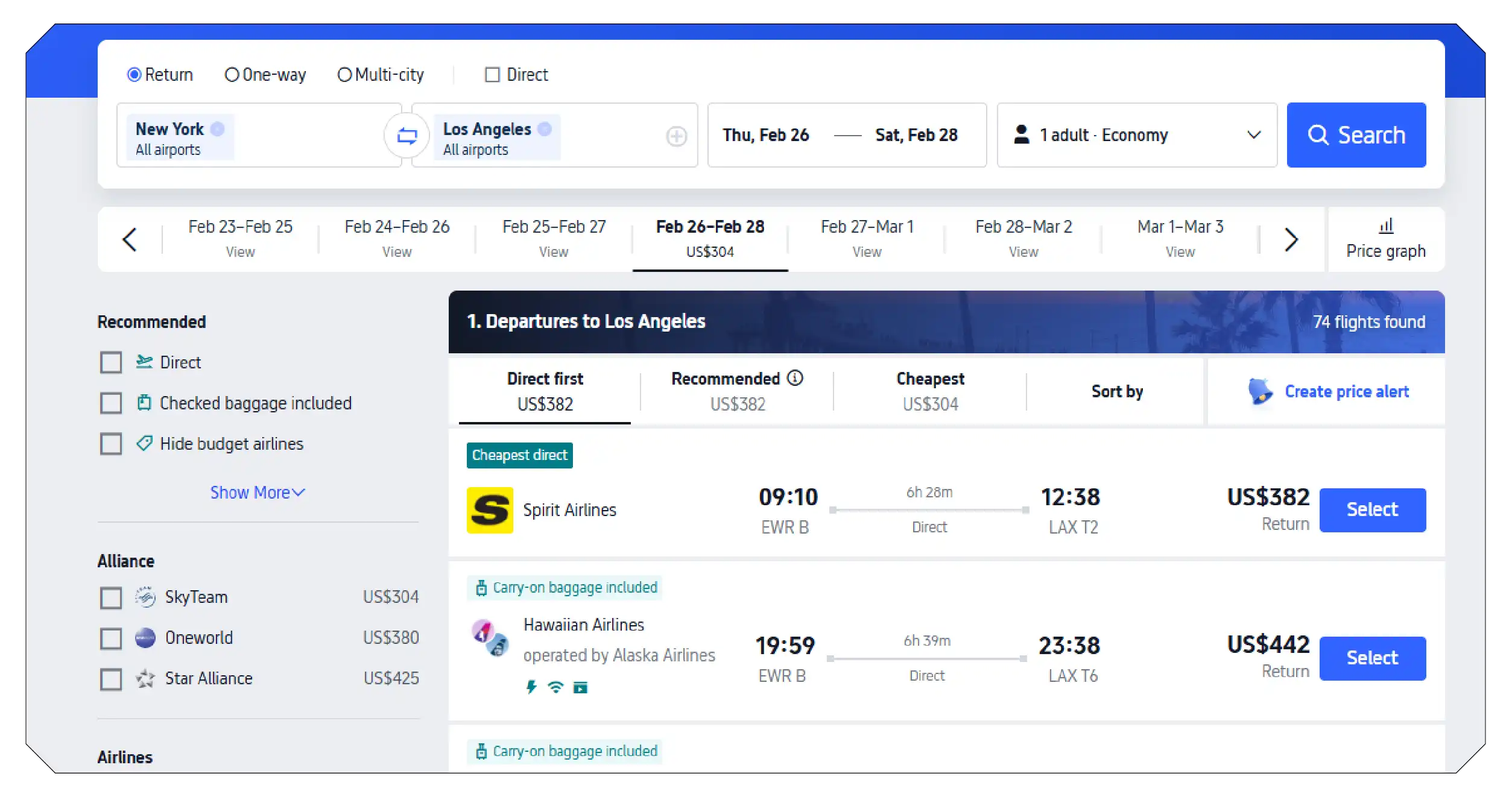
A Historical Airline Route Pricing Dataset reveals how fares vary between specific city pairs over time.
Not all routes behave the same. Consider the differences:
- High-frequency metro routes (e.g., New York–Los Angeles)
- Regional domestic routes
- International long-haul connections
- Seasonal tourist routes
Some routes experience intense competition, driving frequent price wars. Others operate under limited competition, allowing airlines to maintain premium pricing.
Route-level analysis helps answer key questions:
- Which routes show the highest price volatility?
- Do airlines adjust fares simultaneously or independently?
- How does load factor influence route-level pricing?
- Are there predictable weekly fare cycles?
By segmenting historical data by route, analysts gain clarity on pricing competitiveness and demand elasticity.
Airline-Level Pricing Strategy Comparison
Different airlines follow different pricing strategies.
Low-cost carriers often use dynamic pricing with aggressive early-bird discounts. Full-service carriers may maintain premium base fares but adjust pricing based on seat inventory and demand.
With a Historical airline ticket price dataset, it becomes possible to compare:
- Base fare positioning
- Discount frequency
- Price dispersion within the same cabin class
- Response speed to competitor price changes
- Seasonal pricing adjustments
Such analysis supports competitive benchmarking and helps online travel agencies optimize search ranking algorithms based on predicted fare competitiveness.
Integrating Flight Schedules and Fare Data
Fare data becomes significantly more powerful when combined with schedule data.
A Global Flight Schedule Dataset includes:
- Departure and arrival times
- Aircraft type
- Seat configuration
- Frequency of flights
- Codeshare partnerships
When schedule data is integrated with pricing data, analysts can determine:
- Whether early morning flights are priced differently than evening flights
- If direct flights command a premium over one-stop routes
- How aircraft type influences pricing
- Whether increased frequency leads to lower fares
Schedule changes often precede pricing shifts. For example, adding a new daily frequency may trigger temporary fare reductions to stimulate demand.
Pricing Behavior Across Time
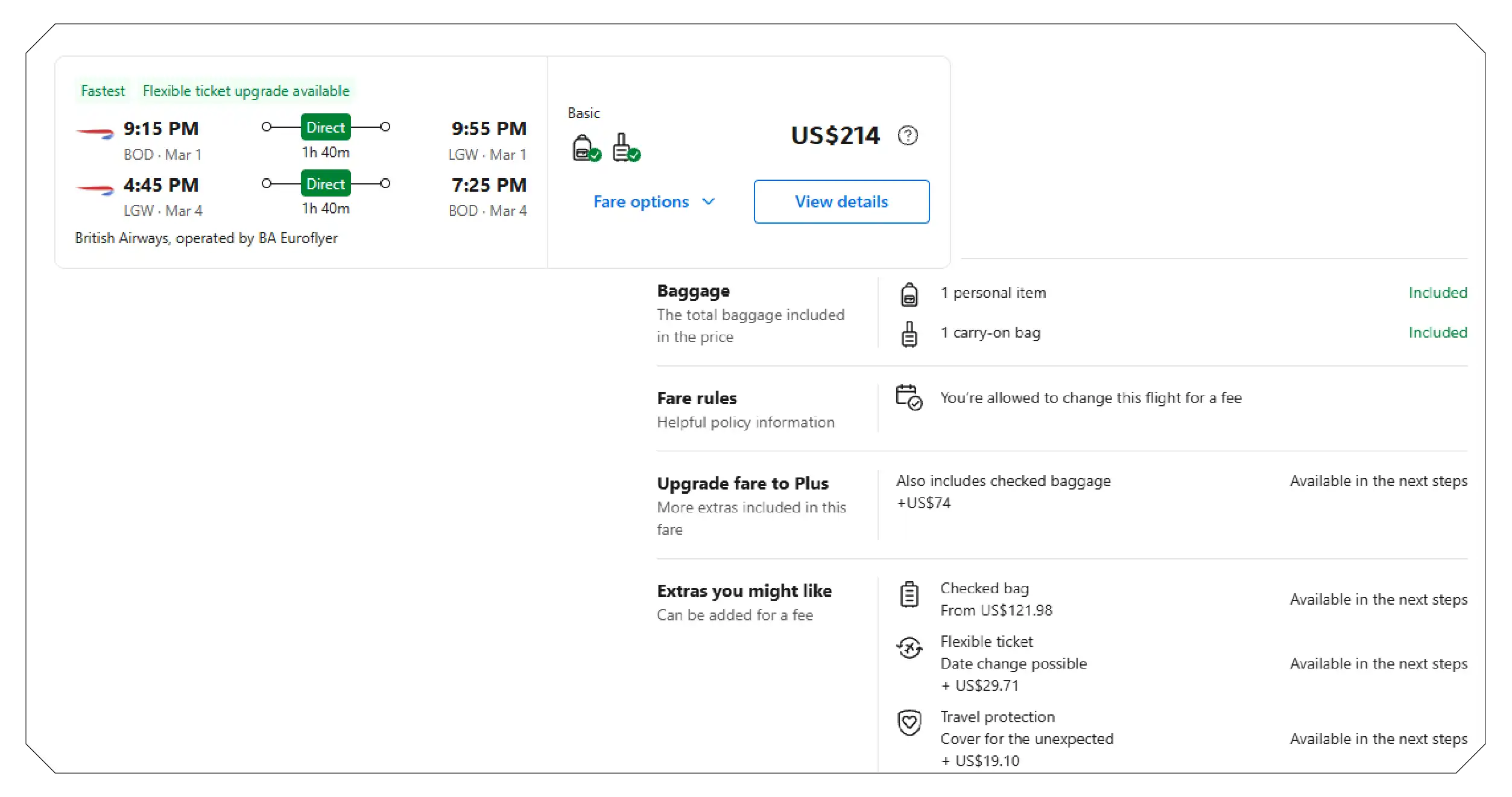
Historical airfare analysis reveals recurring temporal patterns:
1. Seasonality
Peak seasons (summer, holidays, festivals) show consistent fare inflation.
2. Day-of-Week Patterns
Certain departure days consistently cost more. For example:
- Friday departures often cost more due to weekend travel demand.
- Tuesday departures may be cheaper on some domestic routes.
3. Event-Based Spikes
Major events (sports tournaments, expos, religious gatherings) cause localized fare surges.
4. Revenue Management Triggers
Airlines use algorithms that adjust fares based on:
- Seat inventory thresholds
- Booking velocity
- Competitor fare changes
With structured historical data, these triggers become visible through price curves.
Data Collection and Scraping Infrastructure
Airfare data is highly dynamic. Collecting reliable historical records requires automated monitoring systems.
Professional Airline Data Scraping Services deploy:
- Scheduled scraping scripts
- API-based data extraction
- Proxy rotation for geo-targeted fare access
- Data validation pipelines
- Automated anomaly detection
These systems capture daily or hourly price snapshots, building large-scale datasets over months or years.
High-quality scraping ensures:
- Accurate time-stamped records
- Consistent route mapping
- Clean fare breakdowns (base fare vs. taxes)
- Standardized cabin classifications
Data quality is essential because even minor inconsistencies can distort booking window analysis or route-level insights.
Flight Price Data Intelligence Applications
Raw datasets are valuable—but structured analytics transforms them into intelligence.
Flight Price Data Intelligence enables:
- Predictive fare modeling
- Demand forecasting
- Revenue optimization
- Competitive strategy analysis
- Fare alert automation
- Travel trend forecasting
Travel tech startups use historical pricing to power “price prediction engines.” Airlines use it for dynamic revenue management. Corporate travel managers use it to optimize procurement strategies.
Advanced analytics techniques include:
- Time-series modeling
- Regression analysis
- Clustering route pricing patterns
- Machine learning-based fare prediction
- Elasticity modeling
The more granular and historically deep the dataset, the more accurate the forecasting.
Building a Global Fare Intelligence Ecosystem
A Global Flight Schedule Dataset combined with route-level pricing and booking windows forms a powerful aviation intelligence ecosystem.
Such datasets typically cover:
- Domestic routes across multiple countries
- International short-haul and long-haul markets
- Multiple airlines per route
- Multi-cabin fare classes
- Real-time updates
By merging schedule, pricing, and booking behavior data, analysts can construct predictive models that anticipate price fluctuations before they occur.
This is particularly useful for:
- Travel aggregators
- Airline alliances
- Market research firms
- Financial analysts tracking aviation performance
- Tourism boards analyzing inbound travel demand
Practical Use Cases
1. Revenue Optimization for Airlines
Airlines analyze historical curves to determine:
- When to open discounted inventory
- When to increase fares
- How to manage overbooking risk
2. Competitive Monitoring
Tracking fare changes across competitors helps airlines react strategically.
3. Consumer Insights for Travel Platforms
Travel portals use historical fare insights to provide:
- “Best time to book” suggestions
- Price prediction badges
- Fare volatility indicators
4. Market Expansion Planning
Analyzing historical route pricing can identify underserved routes with high fare potential.
5. Government and Regulatory Analysis
Authorities can examine fare fairness, monopolistic behavior, and route dominance patterns.
Challenges in Historical Fare Data Analysis

While powerful, airfare analytics presents several challenges:
- Rapid price fluctuations
- Hidden fare rules
- Promotional discounts not publicly visible
- Codeshare fare complexities
- Currency conversion inconsistencies
- Data normalization across airlines
Maintaining high-quality datasets requires continuous monitoring and validation.
How Travel Scrape Can Help You?
Accurate and Structured Data Collection
Our advanced scraping systems extract real-time and historical data from multiple sources, ensuring clean, structured, and analysis-ready datasets tailored to your business needs.
Automated Monitoring & Updates
We implement automated data pipelines that continuously track pricing, availability, schedules, and market changes, eliminating manual tracking and reducing operational effort.
Competitive Intelligence & Market Insights
Our services help you monitor competitor pricing, promotional strategies, and market positioning to support data-driven decision-making and revenue optimization.
Customizable Data Delivery Formats
We provide flexible output formats including CSV, JSON, API feeds, and dashboard integrations, ensuring seamless compatibility with your analytics systems.
Scalable & Secure Infrastructure
Our scalable scraping infrastructure handles large volumes of data across regions while maintaining compliance, data accuracy, and enterprise-grade security standards.
Conclusion
Historical airline fare analytics unlocks deep insights into booking behavior, route competitiveness, and pricing strategy evolution. By studying how fares change from release date to departure, stakeholders gain a strategic advantage in forecasting and decision-making.
Organizations leveraging structured datasets can uncover booking window dynamics, route-specific volatility, and airline pricing strategies with precision. Advanced techniques like Web scraping booking window price trends help build predictive models that enhance fare intelligence capabilities.
When integrated with schedule insights and route mapping, a Historical flight fare schedule dataset becomes a powerful foundation for aviation analytics. Expanding this intelligence globally through a Global Flight Price Trends Dataset enables businesses to track macro-level shifts in airfare economics across markets.
In an industry defined by dynamic pricing and complex demand cycles, historical airfare data is not just archival—it is strategic intelligence that powers smarter travel ecosystems.
Ready to elevate your travel business with cutting-edge data insights? Scrape Aggregated Flight Fares to identify competitive rates and optimize your revenue strategies efficiently. Discover emerging opportunities with tools to Extract Travel Website Data, leveraging comprehensive data to forecast market shifts and enhance your service offerings. Real-Time Travel App Data Scraping Services helps stay ahead of competitors, gaining instant insights into bookings, promotions, and customer behavior across multiple platforms. Get in touch with Travel Scrape today to explore how our end-to-end data solutions can uncover new revenue streams, enhance your offerings, and strengthen your competitive edge in the travel market.
Unlock the Full Report
Enter your details to access premium pricing intelligence insights