Global Budget Travel Trends Data Scraping for Real-Time Price and Demand Intelligence
Introduction
The global travel landscape is rapidly evolving as affordability, digital accessibility, and real-time pricing transparency reshape how people plan and book trips. Budget travel has emerged as a dominant force across continents, driven by low-cost airlines, competitive online travel agencies, and flexible accommodation platforms. To keep pace with this transformation, travel companies increasingly rely on Global Budget Travel Trends Data Scraping to monitor price fluctuations, identify demand patterns, and evaluate destination competitiveness at scale. By combining insights from a Top Travel Destinations Dataset with advanced analytical models, organizations gain the ability to track traveler behavior across regions and seasons. Additionally, Web Scraping Extreme Budget Travel Trends enables continuous monitoring of flash sales, ultra-low fares, and last-minute deals that strongly influence booking decisions among cost-conscious travelers.
The Importance of Data in Budget Travel Analysis
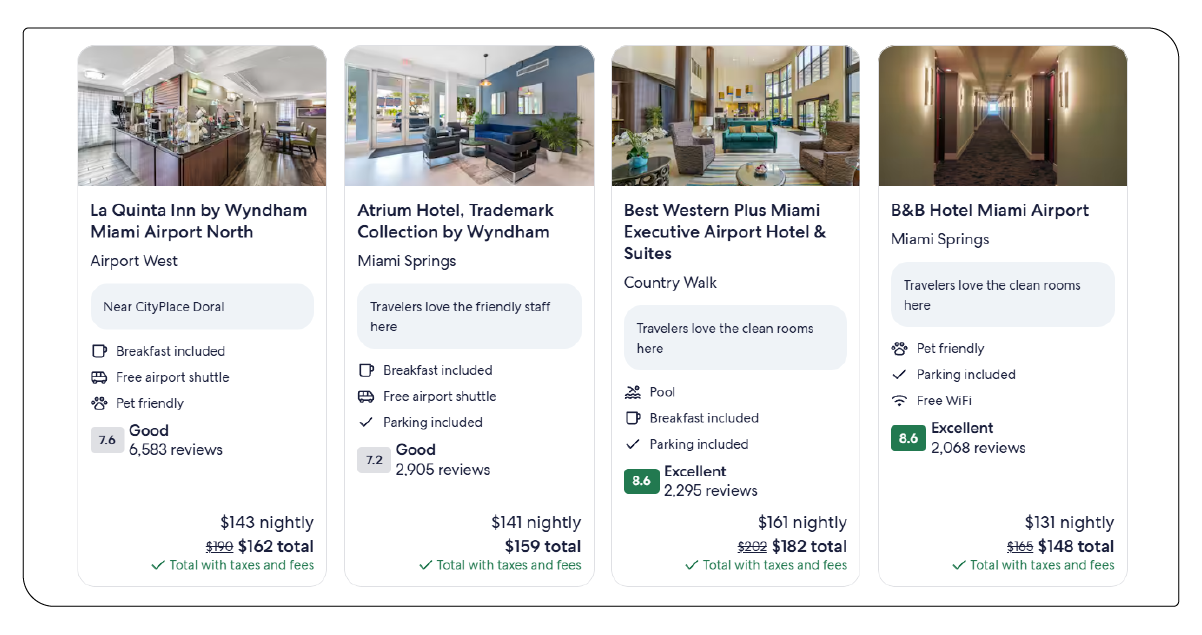
Budget travel is highly sensitive to price changes, availability, and perceived value. Unlike premium travel segments, even minor fare variations can significantly impact demand. This makes large-scale data collection essential for understanding market dynamics. Aggregated Travel & Tourism Datasets allow businesses to evaluate long-term affordability trends while also responding to short-term market shifts. These datasets combine pricing information, booking patterns, destination popularity, and traveler sentiment to form a comprehensive intelligence layer that supports strategic planning and operational optimization.
Data Sources and Collection Frameworks
Budget travel data is collected from multiple digital touchpoints, including airline websites, hotel booking platforms, tour aggregators, and travel review portals. Automated systems extract structured and unstructured data at frequent intervals, enabling continuous market visibility. One of the most valuable outcomes of this process is Extracting budget travel pricing trends, which helps stakeholders understand how prices vary by season, route, booking window, and destination category. These insights are critical for airlines, OTAs, and tour operators seeking to remain competitive in price-driven markets.
Global Budget Travel Pricing Trends
Analyzing scraped travel data across regions reveals recurring pricing patterns that influence traveler decision-making. Seasonality, fuel costs, currency fluctuations, and regional demand all contribute to dynamic pricing models. Travel intelligence platforms offering Tour & Travel Package Data Scraping Services help aggregate these variables into standardized datasets that support comparative analysis across countries and time periods.
Average Global Budget Travel Pricing Trends (Illustrative Data)
| Month | Avg Flight Price (USD) | Avg Hotel Price/Night (USD) | Most Affordable Region | Peak Booking Window |
|---|---|---|---|---|
| January | 295 | 42 | Southeast Asia | 60 days prior |
| February | 285 | 45 | Eastern Europe | 65 days prior |
| March | 320 | 48 | North Africa | 55 days prior |
| April | 270 | 44 | South America | 70 days prior |
| May | 300 | 50 | Central Europe | 60 days prior |
| June | 380 | 62 | Latin America | 35 days prior |
| July | 420 | 75 | Southeast Asia | 30 days prior |
| August | 405 | 70 | Eastern Europe | 30 days prior |
| September | 290 | 46 | South Asia | 65 days prior |
| October | 305 | 49 | Middle East | 60 days prior |
| November | 265 | 40 | Southeast Asia | 80 days prior |
| December | 360 | 65 | South America | 40 days prior |
Such datasets are a direct result of global budget tourism data Scraping, enabling businesses to anticipate demand surges and adjust pricing strategies proactively.
Destination Affordability and Demand Shifts
Budget travelers increasingly prioritize destinations that offer favorable exchange rates, affordable accommodation, and low daily expenses. Data-driven analysis highlights that emerging destinations often gain traction faster when paired with direct low-cost air connectivity. Using advanced analytics, companies derive Low-Cost Travel Trend Intelligence to identify which destinations are likely to experience growth among price-sensitive travelers.
Budget Destination Popularity and Cost Index (Illustrative Data)
| Destination | Avg Daily Spend (USD) | Budget Accommodation Availability | Low-Cost Flight Connectivity | Popular Travel Season |
|---|---|---|---|---|
| Bangkok | 38 | Very High | Very High | Nov–Feb |
| Budapest | 42 | High | High | Apr–Jun |
| Hanoi | 35 | Very High | Medium | Sep–Nov |
| Lisbon | 50 | High | High | Mar–May |
| Istanbul | 48 | High | Very High | Oct–Nov |
| Marrakech | 40 | Medium | Medium | Feb–Apr |
| Mexico City | 45 | High | High | Mar–Jun |
| Sofia | 37 | Medium | Medium | May–Sep |
| Krakow | 43 | High | Medium | Apr–Oct |
| Bali | 46 | High | High | May–Sep |
This destination-level intelligence helps tourism boards, travel platforms, and hospitality providers align offerings with evolving traveler preferences.
Budget Traveler Behavior Insights
Beyond pricing, understanding how travelers interact with booking platforms is critical. Analysis of search patterns, booking frequency, and cancellation behavior reveals that budget travelers are more flexible with destinations but highly sensitive to price drops and bundled value. These insights are refined using advanced Travel Data Intelligence Solutions, which merge external scraped data with internal booking metrics to generate predictive models and personalized recommendations.
Applications Across the Travel Industry
Airlines use scraped competitive pricing data to dynamically adjust fare buckets and manage inventory. Online travel agencies leverage extracted data to rank deals, trigger promotions, and personalize user experiences. Tour operators restructure itineraries and packages by benchmarking competitor offerings. Across all use cases, data-driven insights improve decision accuracy and speed.
Data Governance and Ethical Considerations
While automated data extraction delivers strategic advantages, compliance with legal and ethical standards remains essential. Responsible data practices ensure long-term sustainability, platform access, and regulatory alignment. Companies investing in secure infrastructure and transparent data usage models are better positioned to scale operations responsibly.
Future Outlook for Budget Travel Data Intelligence
As artificial intelligence and machine learning mature, budget travel analytics will shift from descriptive insights to predictive and prescriptive intelligence. Real-time affordability scoring, demand forecasting, and traveler segmentation will further enhance market responsiveness and personalization.
Conclusion
In an increasingly price-sensitive travel ecosystem, data has become the foundation of competitive advantage. A well-executed Global Affordable Travel Trends Analysis enables organizations to anticipate market shifts and respond with agility. By leveraging techniques such as scraping budget traveler booking behavior data, businesses gain deeper visibility into consumer intent and decision drivers. Ultimately, scalable analytics built on reliable data pipelines strengthen Tour And Travel Package Data Intelligence, empowering the travel industry to deliver affordable, relevant, and high-value experiences worldwide.
Ready to elevate your travel business with cutting-edge data insights? Scrape Aggregated Flight Fares to identify competitive rates and optimize your revenue strategies efficiently. Discover emerging opportunities with tools to Extract Travel Website Data, leveraging comprehensive data to forecast market shifts and enhance your service offerings. Real-Time Travel App Data Scraping Services helps stay ahead of competitors, gaining instant insights into bookings, promotions, and customer behavior across multiple platforms. Get in touch with Travel Scrape today to explore how our end-to-end data solutions can uncover new revenue streams, enhance your offerings, and strengthen your competitive edge in the travel market.
Unlock the Full Report
Enter your details to access premium pricing intelligence insights