How Reliable Is the Ctrip Hotel & Flight Dataset for Market Intelligence?
Introduction
The global travel industry is powered by data. From hotel room pricing fluctuations to dynamic airline ticket fares, every booking decision reflects complex demand signals and market conditions. Platforms like Ctrip (now Trip.com Group) have become central to understanding these dynamics because they aggregate millions of hotel listings and flight routes across international markets. The Ctrip Hotel & Flight Dataset provides comprehensive insights into pricing behavior, seasonal demand, route performance, and booking patterns.
Alongside this, the Global Flight Price Trends Dataset allows analysts to monitor airfare volatility across routes and time periods, while the Ctrip hotel pricing dataset reveals detailed information about room rates, star categories, location-based pricing differences, and promotional strategies. Together, these datasets empower travel businesses, analysts, and investors to decode real-time travel intelligence.
Understanding the Scope of Ctrip’s Data Ecosystem
Ctrip operates as one of the largest online travel agencies globally, competing with companies like Booking.com and Expedia. Its database includes hotel listings ranging from budget properties to luxury international chains, as well as domestic and international airline schedules.
The dataset typically includes:
- Hotel name, category, and star rating
- Room type and occupancy capacity
- Base price and discounted price
- Amenities and cancellation policies
- Real-time availability status
- Airline route information
- Departure and arrival times
- Fare class categories
- Taxes and surcharge breakdown
- Seat availability indicators
This structured data makes it possible to perform demand forecasting, competitor benchmarking, and revenue optimization analysis.
Hotel Pricing Intelligence: Market Patterns and Variability
One of the most valuable components is the Hotel Guest Review Dataset, which links pricing patterns with customer sentiment. By analyzing review scores alongside rate changes, researchers can identify whether premium pricing correlates with service quality, location advantages, or brand reputation.
Hotel pricing on Ctrip is influenced by:
- Seasonality – Peak tourist seasons, festivals, and holidays drive higher rates.
- Event-Based Demand – Conferences, sports events, or exhibitions increase short-term occupancy.
- Location Premium – Central business districts and airport proximity command higher prices.
- Competitor Benchmarking – Hotels dynamically adjust rates based on competitor listings.
The Ctrip flight price dataset complements this analysis by revealing how airfare trends influence hotel booking behavior. For example, when flight fares decrease, hotel demand often increases in destination cities, leading to higher room prices.
Airline Pricing and Dynamic Fare Structures
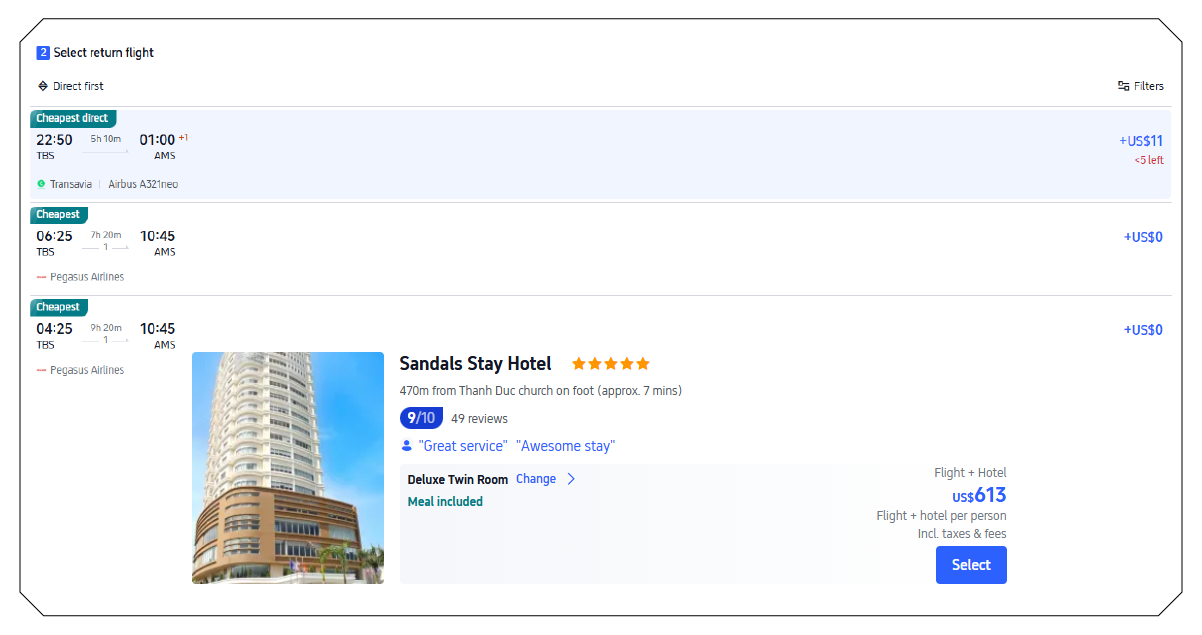
Airline pricing is one of the most volatile elements in travel analytics. The Airline Price Change Dataset captures fare fluctuations across booking windows, cabin classes, and routes. Airlines use sophisticated revenue management systems that adjust ticket prices based on:
- Remaining seat inventory
- Days before departure
- Competitor pricing
- Historical booking patterns
- Fuel price volatility
By analyzing these factors, analysts can detect patterns such as mid-week fare drops or last-minute price spikes. Travel companies can use this data to optimize marketing campaigns and suggest the best booking times to customers.
Real-Time Availability Tracking
Availability data is as important as pricing information. The Ctrip hotel availability dataset provides insight into occupancy trends across cities, regions, and property types. During peak periods, hotels may show limited room inventory even at premium prices, signaling strong demand conditions.
Similarly, the Hotel Room Price Trends Dataset helps identify how room rates move in relation to occupancy levels. For example:
- High occupancy + rising prices = strong demand environment
- Low occupancy + falling prices = promotional pricing phase
- Stable occupancy + stable pricing = balanced market
This data is essential for hotel revenue managers seeking to implement dynamic pricing strategies.
On the aviation side, the Ctrip flight availability dataset shows seat inventory by class (economy, business, first) and route. When seat availability drops below certain thresholds, automated pricing systems trigger fare increases.
Demand Forecasting and Seasonal Insights
Analyzing booking behavior across time periods reveals powerful seasonal trends. During Chinese New Year, Golden Week, and summer vacation, outbound and domestic travel surges dramatically. By combining hotel and flight datasets, analysts can:
- Identify emerging tourist hotspots
- Track inbound versus outbound traffic
- Forecast occupancy rates for major cities
- Monitor route performance by airline
For example, if outbound flights from Shanghai to Southeast Asia increase while domestic hotel bookings decrease, it signals shifting travel preferences.
Data models trained on historical Ctrip records can predict future demand spikes with impressive accuracy, helping airlines and hotels adjust pricing strategies proactively.
Competitive Benchmarking for Travel Businesses
Travel operators use Ctrip datasets to benchmark against competitors. Hotels can compare:
- Average Daily Rate (ADR)
- Review scores
- Occupancy levels
- Discount frequency
Airlines can monitor:
- Route-level fare competitiveness
- Load factor trends
- Fare class distribution
- Seasonal route adjustments
For investors, these datasets provide macro-level insights into tourism recovery trends, route expansion strategies, and regional demand strength.
Strategic Applications of Ctrip Hotel & Flight Data
The strategic value of the dataset extends beyond pricing insights. Key applications include:
1. Revenue Optimization
Hotels use predictive analytics to adjust rates daily based on booking velocity.
2. Market Entry Strategy
Airlines planning new routes analyze historical demand data to assess profitability.
3. Promotional Timing
Travel agencies identify low-demand windows to offer discounts and bundle deals.
4. Consumer Behavior Analysis
Understanding booking lead time (days between booking and travel date) helps tailor marketing campaigns.
Data Integration with Global Travel Systems
Ctrip data can be combined with external travel datasets for deeper intelligence. For instance, integrating global airline schedules with pricing data enables route-level profitability modeling. Combining hotel availability data with city-level tourism statistics provides macroeconomic demand indicators.
Airlines often adjust routes based on international travel restrictions, visa policy changes, and geopolitical developments. Having access to structured datasets makes it possible to simulate different market scenarios.
Emerging Trends from Ctrip Data
Recent analytics highlight several trends:
- Shorter booking windows for flights
- Increased preference for flexible cancellation policies
- Growing demand for domestic travel post-pandemic
- Surge in business travel recovery in major Asian hubs
- Higher price sensitivity among leisure travelers
Data-driven insights reveal that travelers increasingly compare multiple fare categories before booking, emphasizing the need for transparent pricing strategies.
Challenges in Travel Data Analytics
While the dataset offers immense value, challenges include:
- Rapid fare changes requiring real-time tracking
- Data normalization across currencies
- Handling missing availability fields
- Identifying duplicate hotel listings
- Aligning time zones in flight schedules
Advanced data pipelines and machine learning algorithms are often required to process millions of records daily.
The Future of Travel Data Intelligence
As artificial intelligence evolves, predictive modeling will become even more accurate. Combining historical fare data, review sentiment analysis, and availability signals will enable hyper-personalized travel recommendations. Hotels and airlines that leverage structured datasets effectively will gain a competitive advantage in both pricing precision and customer engagement.
How Travel Scrape Can Help You?
1. Real-Time Data Collection
Our data scraping services capture live pricing, availability, reviews, and inventory updates from multiple platforms, helping you make faster and more accurate business decisions.
2. Competitor Price Monitoring
We track competitor pricing strategies, discounts, and promotional changes so you can adjust your rates dynamically and stay ahead in competitive markets.
3. Structured & Clean Datasets
Raw data is transformed into well-organized, analysis-ready datasets. This eliminates manual work and ensures seamless integration with your BI tools and analytics systems.
4. Market Trend & Demand Analysis
By extracting large-scale historical and real-time data, we help you identify demand shifts, seasonal trends, customer preferences, and emerging opportunities.
5. Scalable & Custom Solutions
Whether you need daily monitoring or enterprise-level data pipelines, our scraping solutions are fully customizable, automated, and designed to scale with your business growth.
Conclusion
In conclusion, analyzing Ctrip’s extensive hotel and flight datasets unlocks critical insights into global travel behavior, price volatility, and seasonal demand shifts. Businesses can leverage Ctrip travel pattern Data analysis to forecast demand cycles and identify high-growth markets. Advanced Ctrip hotel and flight data scraping techniques enable structured extraction of pricing, availability, and review data at scale. When combined with a Global Flight Schedule Dataset, stakeholders gain a holistic view of route planning, capacity management, and long-term tourism trends.
As global mobility continues to evolve, structured travel datasets will remain at the core of strategic decision-making for hotels, airlines, and travel intelligence platforms worldwide.
Ready to elevate your travel business with cutting-edge data insights? Scrape Aggregated Flight Fares to identify competitive rates and optimize your revenue strategies efficiently. Discover emerging opportunities with tools to Extract Travel Website Data, leveraging comprehensive data to forecast market shifts and enhance your service offerings. Real-Time Travel App Data Scraping Services helps stay ahead of competitors, gaining instant insights into bookings, promotions, and customer behavior across multiple platforms. Get in touch with Travel Scrape today to explore how our end-to-end data solutions can uncover new revenue streams, enhance your offerings, and strengthen your competitive edge in the travel market.
Unlock the Full Report
Enter your details to access premium pricing intelligence insights