What Insights Can the Australia Historical Airfare Price Dataset Reveal About Seasonal Travel Trends?
Introduction
The aviation industry in Australia operates within a highly dynamic pricing ecosystem influenced by seasonality, fuel costs, tourism cycles, holidays, and regional demand shifts. Access to structured and long-term airfare datasets enables businesses, travel agencies, analysts, and aviation consultants to decode these pricing behaviors effectively. An Australia Historical Airfare Price Dataset provides detailed information about fare movements across domestic and international routes, helping stakeholders understand patterns over months and years.
With advanced Airfare Fluctuation Data Scraping, organizations can systematically collect fare changes from airline websites, travel portals, and aggregators. This automated approach ensures consistent tracking of price variations across routes such as Sydney–Melbourne, Brisbane–Perth, and international sectors connecting Australia to Asia, Europe, and North America.
Through Australia Seasonal flight pricing Scraping, analysts can map how fares respond to holiday periods, school breaks, sporting events, and tourism peaks. These datasets transform raw airfare listings into actionable intelligence for revenue optimization and strategic forecasting.
Why Historical Airfare Data Matters for Australia’s Aviation Market?
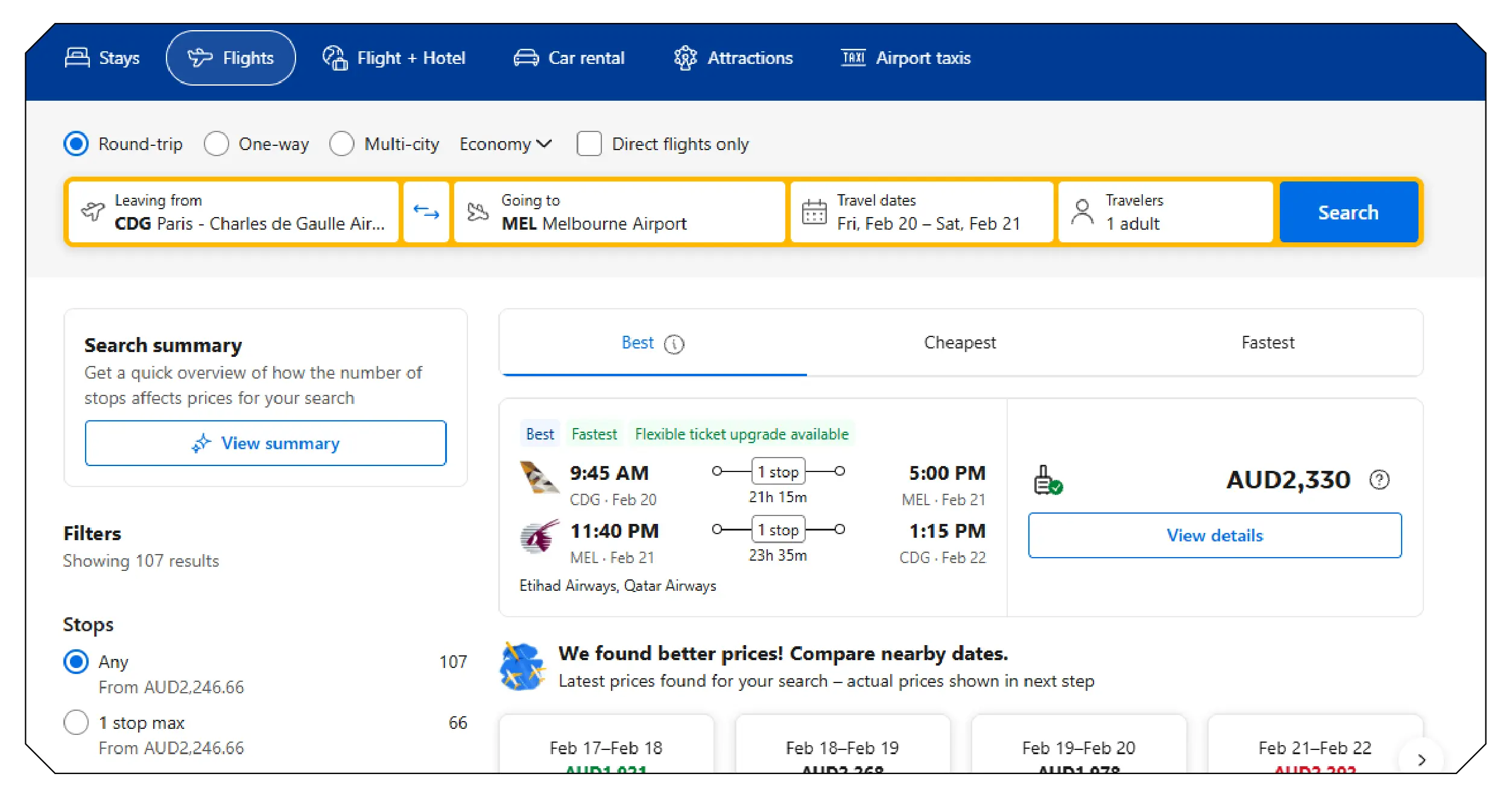
Australia’s aviation sector is uniquely positioned due to its geographic isolation and heavy reliance on air transport. Domestic air travel is a primary mode of intercity connectivity, while international travel drives tourism and trade.
Historical airfare datasets allow:
- Identification of peak pricing windows
- Detection of off-season discount cycles
- Monitoring fare volatility during demand surges
- Evaluating airline pricing competition across routes
- Predicting demand-driven price increases
When organizations leverage Airline Data Scraping Services, they gain structured access to fare details including ticket class, base fare, taxes, booking window, and departure timing. Over time, this builds a reliable database for trend modeling and forecasting.
Seasonal Patterns in Australian Flight Pricing
Seasonality significantly impacts Australian airfare pricing. Major fluctuations are often observed during:
- Summer holidays (December–January)
- Easter travel season
- Mid-year school breaks (June–July)
- Major events like the Australian Open or Vivid Sydney
- Christmas and New Year travel peaks
By analyzing historical records, businesses can Scrape Australian flight price history data to compare year-on-year seasonal trends. For example:
- Sydney to Gold Coast fares may surge by 40–60% during December holidays.
- Melbourne to Cairns routes show consistent winter demand spikes due to tropical tourism.
- International routes to Bali and Singapore experience pricing peaks during Australian school vacations.
Understanding these patterns enables travel agencies to advise customers on optimal booking windows and airlines to refine yield management strategies.
Demand Analysis Using Flight Price Datasets
A comprehensive airfare dataset is not just about pricing — it reveals demand behavior. When combined with booking timelines and availability indicators, historical pricing data can signal:
- Early booking discounts vs last-minute premium pricing
- Impact of capacity reductions on fare hikes
- Competition-driven fare drops
- Price wars on high-density routes
A Global Flight Price Trends Dataset can be integrated with Australian data to compare domestic fare behavior with international market movements. This broader perspective allows airlines and travel platforms to identify whether price shifts are localized or globally influenced.
For instance, fuel price surges or global supply chain disruptions may lead to synchronized fare increases across international routes connecting Australia.
Key Data Fields in an Australia Historical Airfare Dataset
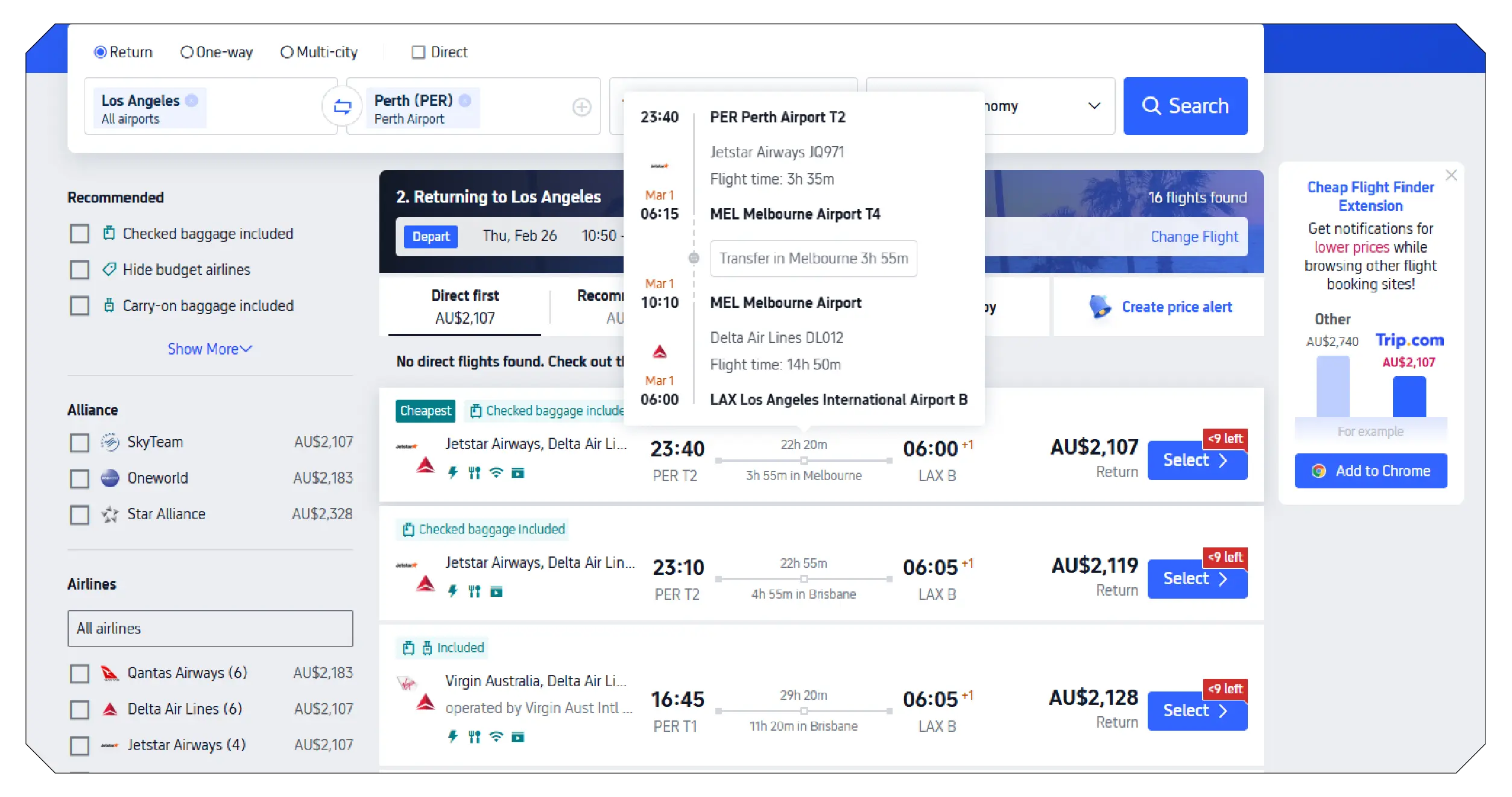
To perform meaningful seasonal and demand analysis, a structured dataset should include:
- Departure and arrival airports
- Route details
- Booking date
- Travel date
- Ticket class (Economy, Business, First)
- Base fare and total fare
- Airline carrier
- Stopovers or direct flight indicator
- Seat availability (if available)
When combined, these data points deliver deep Australia flights demand insights that support pricing forecasts and route performance evaluation.
Applications of Flight Price Data Intelligence
A well-structured airfare dataset supports multiple business use cases:
1. Revenue Optimization for Airlines
Historical data helps airlines identify pricing gaps and optimize fare buckets based on demand elasticity.
2. Travel Agency Advisory Services
Agencies can recommend the best time to book based on predictive pricing trends derived from Flight Price Data Intelligence.
3. Tourism Demand Forecasting
Government tourism boards can evaluate peak travel inflows and adjust promotional campaigns accordingly.
4. Competitive Benchmarking
Airlines can compare pricing strategies across carriers to refine competitive positioning.
5. Route Performance Analysis
Low-demand routes with consistent fare drops may require strategic restructuring or promotional campaigns.
Understanding Airline Pricing Behavior in Australia
Australian carriers operate within a complex yield management system. Pricing varies based on:
- Demand intensity
- Competitor pricing
- Route popularity
- Booking lead time
- External events (fuel prices, economic shifts)
By leveraging Australian airline pricing intelligence, analysts can track how airlines adjust fares dynamically. For example:
- Budget airlines may aggressively reduce fares during low-demand months.
- Full-service carriers may maintain premium pricing on high-demand business routes such as Sydney–Melbourne.
- International carriers may introduce tactical discounts during shoulder seasons.
These insights allow predictive modeling for future fare behavior.
Role of Data Scraping in Building Historical Airfare Datasets
Manual tracking of flight prices is inefficient and unreliable. Automated scraping ensures:
- Daily or hourly price capture
- Multi-route monitoring
- Historical archiving
- Standardized data structuring
- Real-time trend comparison
Airfare scraping tools collect fare listings across booking platforms, preserving data snapshots that form the backbone of long-term analysis.
Over months and years, this accumulated dataset becomes invaluable for:
- Time-series analysis
- Seasonal decomposition modeling
- Demand elasticity studies
- Machine learning-based fare predictions
Seasonal and Demand Analysis: A Practical Example
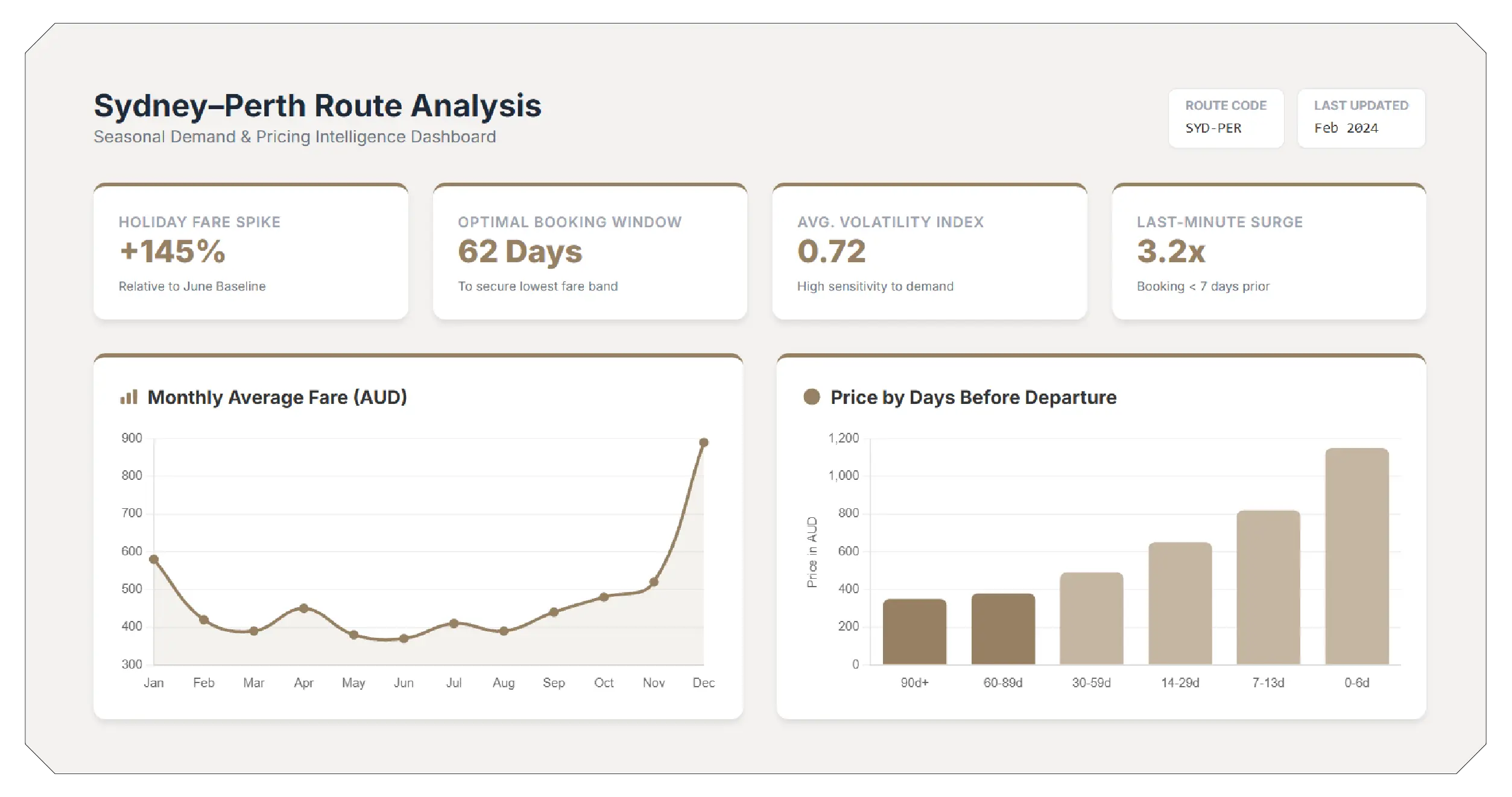
Consider the Sydney–Perth route:
- During winter months, average fares remain relatively stable.
- Around December holidays, fares spike sharply.
- Early bookings (60+ days in advance) show discounted fare bands.
- Last-minute bookings exhibit surge pricing patterns.
By analyzing historical datasets, businesses can quantify:
- Average seasonal fare increase percentages
- Ideal booking windows
- Monthly fare volatility indices
- Route-wise demand intensity
Similarly, international routes such as Melbourne–Singapore often display predictable pricing cycles aligned with school vacations and business travel periods.
Integrating Global and Domestic Flight Trends
Australia does not operate in isolation. External influences such as fuel cost fluctuations, geopolitical changes, and global tourism recovery trends impact airfare pricing.
By integrating domestic datasets with international benchmarks, organizations gain a broader strategic view. A unified airfare intelligence model helps identify:
- Correlation between domestic and international price surges
- Spillover demand effects
- Global tourism rebound patterns
- Competitive fare alignment strategies
This multi-layered dataset strengthens predictive accuracy and strategic planning.
Benefits of Long-Term Historical Airfare Analysis
Analyzing 3–5 years of airfare history unlocks:
- Clear seasonal pricing cycles
- Post-pandemic recovery pricing shifts
- Demand stabilization patterns
- Impact of airline mergers or route launches
- Long-term price elasticity behavior
For example, data may reveal that domestic routes show consistent seasonal predictability, while international routes experience higher volatility due to global economic factors.
Such insights empower airlines, OTAs, and analysts to make evidence-based decisions rather than reactive pricing moves.
The Future of Airfare Data Intelligence in Australia
As artificial intelligence and predictive analytics evolve, airfare datasets will play an even more central role in travel forecasting. Machine learning models trained on structured historical datasets can predict:
- Optimal booking periods
- Likely fare increase windows
- Route-level demand shifts
- Seasonal fare ceilings
Combining historical and real-time data feeds ensures higher forecasting precision and improved revenue management strategies.
How Travel Scrape Can Help You?
1. Accurate Historical Airfare Data Collection
We systematically collect and structure multi-year airfare records across domestic and international Australian routes, enabling precise seasonal analysis, fare comparisons, and long-term demand forecasting without manual tracking errors.
2. Automated Real-Time and Historical Monitoring
Our automated scraping systems capture fare changes daily or hourly, helping you track price volatility, detect surge patterns, and build reliable datasets for predictive modeling and revenue optimization.
3. Route-Level Demand and Pricing Intelligence
We deliver route-wise structured datasets that reveal booking trends, seasonal spikes, competitive pricing shifts, and demand intensity, empowering smarter pricing, planning, and market positioning decisions.
4. Custom Data Integration and Analytics Support
Our team provides clean, analysis-ready datasets in formats compatible with BI tools, dashboards, and machine learning models, helping you transform raw airfare data into actionable business intelligence.
5. Scalable and Compliance-Focused Data Solutions
We offer secure, scalable scraping infrastructure tailored to your needs, ensuring consistent data delivery, high accuracy, and adherence to ethical and regulatory standards.
Conclusion
A structured airfare dataset is the foundation for accurate seasonal and demand analysis within Australia’s aviation sector. By analyzing long-term fare history, organizations can detect pricing cycles, understand booking behaviors, and forecast route-level demand with precision.
Advanced scraping technologies enable businesses to Extract Historical flight fare data Australia efficiently, building reliable databases for predictive modeling and strategic decision-making. When combined with detailed Route-wise airfare demand analysis Australia, organizations gain granular visibility into how specific routes perform across seasons and booking windows.
The integration of historical datasets with modern tools such as a Real-Time Flight Data Scraping API ensures continuous monitoring, enabling aviation stakeholders to stay ahead of pricing volatility and market shifts in an increasingly competitive environment.
Ready to elevate your travel business with cutting-edge data insights? Scrape Aggregated Flight Fares to identify competitive rates and optimize your revenue strategies efficiently. Discover emerging opportunities with tools to Extract Travel Website Data, leveraging comprehensive data to forecast market shifts and enhance your service offerings. Real-Time Travel App Data Scraping Services helps stay ahead of competitors, gaining instant insights into bookings, promotions, and customer behavior across multiple platforms. Get in touch with Travel Scrape today to explore how our end-to-end data solutions can uncover new revenue streams, enhance your offerings, and strengthen your competitive edge in the travel market.
Unlock the Full Report
Enter your details to access premium pricing intelligence insights